
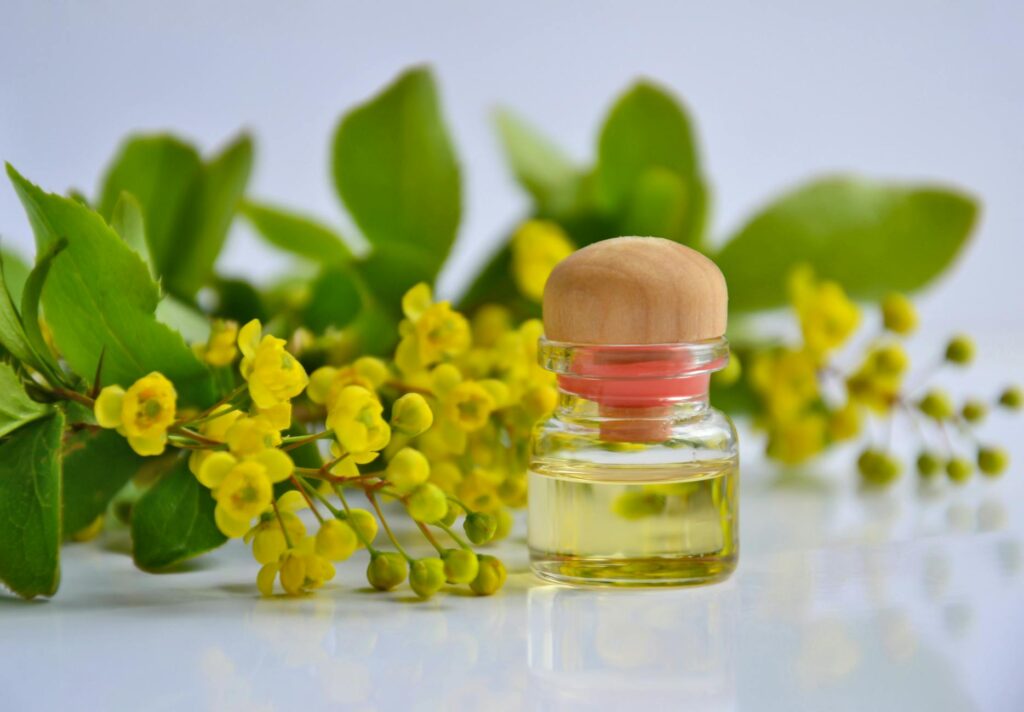
Benefits of Woodsy Extracts
Introduction
Woodsy extracts, derived from trees and other woody plants, have been celebrated for centuries for their aromatic properties and potential benefits. These extracts encompass a variety of essential oils, including cedarwood, sandalwood, pine, and cypress, each offering a unique scent profile and a range of characteristics. In this article, we will explore the nature of woodsy extracts, their benefits, common uses, and applications in aromatherapy.
What Is Woodsy Extracts?
Woodsy extracts are concentrated natural substances obtained from the wood, bark, leaves, and needles of various trees and woody plants. These extracts are primarily acquired through steam distillation or cold pressing, resulting in essential oils that capture the essence of the plant’s aromatic compounds.
The term “woodsy” encompasses a wide range of scents, often characterized by deep, earthy, and grounding aromas reminiscent of forests and nature. Common woodsy extracts include:
- Cedarwood: Known for its warm, balsamic scent, cedarwood is often associated with feelings of tranquility.
- Sandalwood: This extract is prized for its rich, creamy, and woody aroma, often used in meditation practices.
- Pine: Recognized for its fresh, crisp scent, pine essential oil evokes feelings of rejuvenation.
- Cypress: With a slightly spicy and woody aroma, cypress is often linked to emotional balance.
- Aromatherapy: Their calming and grounding properties make woodsy essential oils popular in diffusers, inhalers, and personal care products.
- Skincare: Woodsy extracts are often incorporated into skincare formulations for their potential soothing and anti-inflammatory effects.
- Household Products: Many woodsy essential oils are used in natural cleaning products, providing both a pleasant fragrance and potential antimicrobial benefits.
- Candles and Incense: The warm, inviting aromas of woodsy extracts are commonly featured in candles and incense for creating a cozy atmosphere.
- Massage Oils: Woodsy essential oils are frequently blended into massage oils for their relaxing effects.
- Dilution: Essential oils should be diluted before topical application to avoid skin irritation. A common dilution ratio is 1-2 drops of essential oil per teaspoon of carrier oil.
- Patch Test: Performing a patch test on a small area of skin before widespread use can help identify any adverse reactions.
- Pregnancy and Nursing: Individuals who are pregnant or nursing should consult a qualified professional before using essential oils.
- Allergies: Those with known allergies to specific plants should exercise caution and avoid essential oils derived from those plants.
- Children and Pets: Some essential oils may not be suitable for children or pets. It is advisable to conduct thorough research or consult a professional when using essential oils around these groups.
- Cool, Dark Place: Store essential oils in a cool, dark location, away from direct sunlight and heat, which can degrade the oil.
- Tight-Sealing Containers: Use dark glass bottles with tight-sealing lids to minimize exposure to light and air.
- Shelf Life: Most woodsy essential oils have a shelf life of 1-3 years, depending on the oil and storage conditions. Regularly check for changes in aroma or consistency, which may indicate spoilage.
Key Benefits and Properties
Woodsy extracts are renowned for their multifaceted properties, which contribute to their popularity in various applications. Some key benefits include:
1. Grounding and Centering: Many woodsy scents are thought to promote feelings of stability and grounding, making them ideal for meditation and mindfulness practices.
2. Relaxation and Stress Relief: Woodsy extracts, particularly sandalwood and cedarwood, are often associated with relaxation and stress reduction. Their calming aroma can create a serene atmosphere.
3. Antimicrobial Properties: Certain woodsy essential oils, such as pine and cedarwood, possess natural antimicrobial properties that may help inhibit the growth of bacteria and fungi.
4. Insect Repellent: Some woodsy extracts are effective as natural insect repellents due to their strong aromas, which can deter pests like mosquitoes and flies.
5. Mood Enhancement: The rich and warm scents of woodsy extracts are believed to have mood-lifting properties, promoting emotional well-being and reducing feelings of anxiety.
Common Uses
Woodsy extracts are versatile and can be utilized in various ways, including:
Aromatherapy Applications
Aromatherapy is a holistic practice that utilizes the aromatic properties of essential oils to promote physical, emotional, and spiritual well-being. Woodsy extracts play a significant role in this practice, offering various applications:
1. Diffusion: Adding a few drops of woodsy essential oil to a diffuser can fill a room with a calming aroma, enhancing relaxation and creating a peaceful ambiance.
2. Inhalation: Inhaling the scent of woodsy extracts directly from the bottle or through a personal inhaler can provide immediate grounding and stress-relieving effects.
3. Massage: Combining woodsy essential oils with a carrier oil for massage can enhance relaxation and promote a sense of well-being.
4. Bathing: Adding woodsy extracts to bathwater can provide a soothing experience, allowing users to unwind and enjoy the aromatic benefits.
5. Meditation: Incorporating woodsy scents into meditation practices can help create a tranquil environment, fostering deeper focus and mindfulness.
Safety Considerations
While woodsy extracts are generally considered safe when used appropriately, it is essential to observe certain safety guidelines:
Storage and Shelf Life
Proper storage is vital for maintaining the quality and potency of woodsy extracts. Here are some guidelines:
Frequently Asked Questions
1. Are woodsy extracts safe for children?
Some woodsy extracts can be used safely around children, but it is crucial to dilute them properly and consult a qualified professional for recommendations.
2. Can woodsy essential oils be used in cooking?
While some essential oils are food-grade and can be used in cooking, most woodsy extracts are not intended for culinary use. Always check the label and consult a professional if unsure.
3. How can I incorporate woodsy extracts into my daily routine?
You can incorporate woodsy extracts into your daily routine through aromatherapy diffusers, personal inhalers, bath products, or skincare formulations that contain these essential oils.
4. What are the differences between various woodsy extracts?
Each woodsy extract possesses distinct aromatic properties and benefits. For example, cedarwood is often characterized by its warm and balsamic scent, while sandalwood has a rich and creamy aroma. Understanding these differences can help you choose the right extract for your needs.
5. Can woodsy extracts be combined with other essential oils?
Yes, woodsy extracts can be blended with other essential oils to create unique fragrance profiles and enhance their benefits. Common combinations include pairing woodsy oils with citrus, floral, or herbal scents.
Conclusion
Woodsy extracts offer a wealth of benefits, from promoting relaxation and grounding to enhancing mood and providing antimicrobial properties. Their versatility in applications makes them a valuable addition to aromatherapy, skincare, and household products. By understanding their properties and following safety guidelines, one can enjoy the rich, earthy aromas and potential benefits that woodsy extracts have to offer. Whether used in meditation, skincare, or everyday living, these natural treasures can help create a more balanced and harmonious environment.