
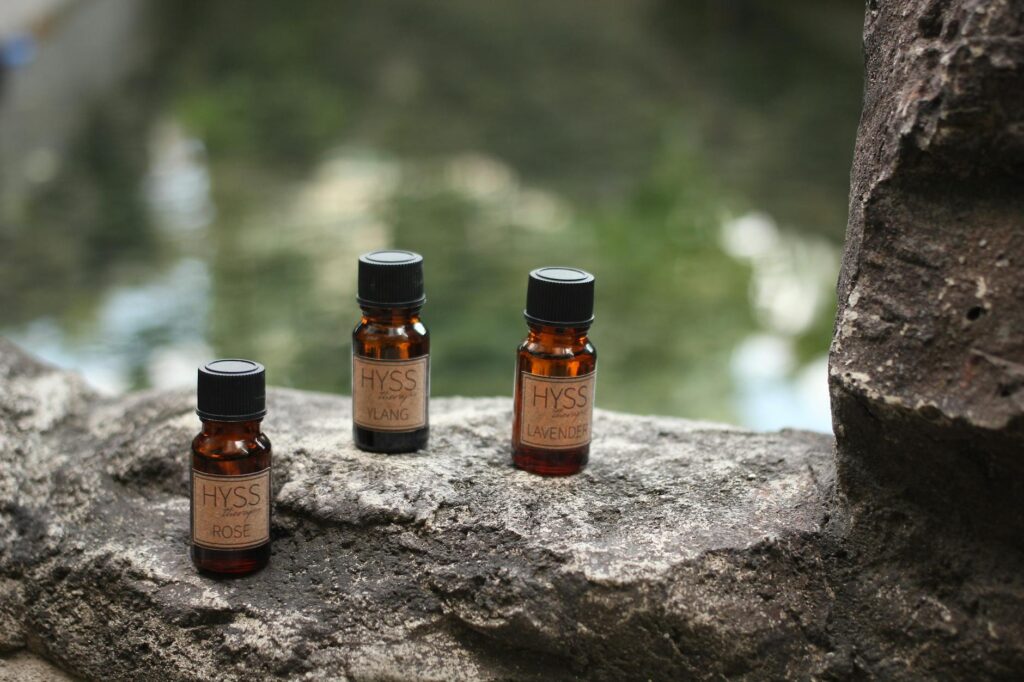
Benefits of Ylang Ylang Oil Safety
Introduction
Ylang Ylang oil, derived from the flowers of the Cananga odorata tree, has been cherished in both traditional and contemporary practices for its enchanting aroma and numerous benefits. Known for its sweet, floral scent, this essential oil is widely used in aromatherapy, perfumery, and various personal care products. However, as with any essential oil, understanding its safety and proper usage is paramount. This article delves into the safety aspects of Ylang Ylang oil, highlighting its benefits, applications, and key safety considerations.
What Is Ylang Ylang Oil Safety?
Ylang Ylang oil is extracted from the blossoms of the Ylang Ylang tree, native to tropical regions of Asia, particularly the Philippines and Indonesia. The oil is obtained through steam distillation, a process that captures the essence of the flowers while preserving their aromatic compounds.
Safety in the context of Ylang Ylang oil encompasses a range of factors, including proper usage, potential sensitivities, and precautions for specific populations. Understanding these elements is essential to ensure a safe and enjoyable experience when using this beloved essential oil.
Key Benefits and Properties
Ylang Ylang oil is celebrated not only for its captivating scent but also for its numerous beneficial properties. Some of the key benefits include:
1. Mood Enhancement: The calming aroma of Ylang Ylang is often associated with mood enhancement. It is known to promote feelings of relaxation and can be helpful in reducing anxiety and stress.
2. Aphrodisiac Qualities: Traditionally, Ylang Ylang has been regarded as an aphrodisiac, believed to enhance romantic feelings and attraction.
3. Skin Care: Ylang Ylang oil is often included in skin care products for its potential to balance oil production, making it beneficial for both dry and oily skin types.
4. Hair Health: Its nourishing properties can promote healthy hair and scalp, and it is often used in hair care formulations.
5. Anti-inflammatory Effects: Some studies suggest that Ylang Ylang oil may possess anti-inflammatory properties, making it a popular choice for soothing minor skin irritations.
6. Antioxidant Potential: The oil contains compounds that may help combat oxidative stress, contributing to overall health and well-being.
Common Uses
Ylang Ylang oil finds its way into a variety of products and practices, including:
- Aromatherapy Blends: Often combined with other essential oils, Ylang Ylang is used in diffusers, sprays, and roll-ons to create a soothing atmosphere.
- Skin and Hair Care Products: Many lotions, moisturizers, and shampoos incorporate Ylang Ylang for its aromatic and beneficial properties.
- Perfumes: Due to its captivating fragrance, Ylang Ylang is a common ingredient in both natural and synthetic perfumes.
- Massage Oils: It is frequently blended with carrier oils for use in massage therapy, promoting relaxation and soothing sore muscles.
- Keep Away from Light and Heat: Essential oils should be stored in dark glass bottles, away from direct sunlight and high temperatures, which can degrade their quality.
- Seal Tightly: Ensure that the bottle is tightly sealed to prevent oxidation and evaporation.
- Cool, Dry Place: Store the oil in a cool, dry environment, ideally at room temperature.
Aromatherapy Applications
In aromatherapy, Ylang Ylang oil is often used to create a tranquil environment. Here are some common methods of application:
1. Diffusion: Adding a few drops of Ylang Ylang oil to a diffuser can fill a room with its comforting aroma, promoting a peaceful atmosphere.
2. Topical Application: When diluted with a carrier oil, Ylang Ylang can be applied to pulse points or massaged into the skin to enjoy its calming effects.
3. Bathing: Adding a few drops to a warm bath can create a relaxing spa-like experience, aiding in stress relief and promoting relaxation.
4. Inhalation: Inhaling the aroma directly from the bottle or from a cotton ball can provide immediate calming effects.
Safety Considerations
Safety is a critical aspect of using any essential oil, including Ylang Ylang. Here are some important safety considerations:
1. Dilution: Ylang Ylang oil should always be diluted before topical application. A general guideline is to use a carrier oil, such as jojoba or coconut oil, at a dilution rate of 1-2%. This helps to minimize the risk of skin irritation.
2. Patch Testing: Before using Ylang Ylang oil on larger skin areas, conducting a patch test is advisable. Apply a small amount of diluted oil to a discreet area of skin and wait 24 hours to check for any adverse reactions.
3. Pregnancy and Nursing: Pregnant and nursing women should consult a healthcare professional before using Ylang Ylang oil, as certain essential oils may not be suitable during these periods.
4. Children and Pets: Special care should be taken when using essential oils around children and pets. It is advisable to consult a knowledgeable professional regarding safe usage for these populations.
5. Allergic Reactions: Individuals with known allergies to plants in the Annonaceae family should avoid Ylang Ylang oil, as they may experience allergic reactions.
Storage and Shelf Life
Proper storage of Ylang Ylang oil is essential to maintain its quality and extend its shelf life. Here are some tips for storing Ylang Ylang oil:
The shelf life of Ylang Ylang oil can vary depending on storage conditions but is typically around 2 to 3 years. Regularly check for any changes in aroma, color, or consistency, as these may indicate that the oil has degraded.
Frequently Asked Questions
1. Can Ylang Ylang oil be used in cooking?
Ylang Ylang oil is primarily used for aromatherapy and topical applications. It is not recommended for culinary use, as essential oils can be highly concentrated and may not be safe for ingestion.
2. Is Ylang Ylang oil safe for sensitive skin?
While Ylang Ylang oil can be beneficial for many skin types, individuals with sensitive skin should exercise caution. Always perform a patch test and dilute the oil appropriately before applying it topically.
3. How can I incorporate Ylang Ylang oil into my daily routine?
You can incorporate Ylang Ylang oil into your daily routine by using it in a diffuser, adding it to your bath, or mixing it with a carrier oil for topical application. Experiment with different methods to find what works best for you.
4. Can Ylang Ylang oil help with sleep?
Many individuals find the calming properties of Ylang Ylang oil beneficial for promoting relaxation and improving sleep quality. Adding a few drops to your pillow or diffuser before bedtime may enhance your sleep environment.
5. Are there any contraindications for using Ylang Ylang oil?
Individuals with known allergies to Ylang Ylang or those who are pregnant or nursing should consult a healthcare professional before using the oil. Additionally, people with specific medical conditions or those taking certain medications should seek advice regarding its use.
Conclusion
Ylang Ylang oil is a remarkable essential oil with a wealth of benefits and applications. Its enchanting fragrance and potential therapeutic properties make it a popular choice in aromatherapy and personal care. However, understanding its safety considerations is crucial for ensuring a positive experience. By following proper usage guidelines, considering individual sensitivities, and storing the oil appropriately, you can enjoy the many benefits of Ylang Ylang oil safely and effectively.