
Benefits of Ylang Ylang Oil
Introduction
Ylang Ylang oil, derived from the flowers of the Cananga tree (Cananga odorata), is celebrated for its captivating fragrance and various potential benefits. Indigenous to tropical regions of Asia, particularly Southeast Asia, this essential oil has found its way into perfumery, cosmetics, and holistic wellness practices. In recent years, Ylang Ylang has gained popularity in aromatherapy for its unique properties. This article explores the origins, benefits, uses, and safety considerations of Ylang Ylang oil, providing a comprehensive overview for those interested in incorporating this essential oil into their wellness routines.
What Is Ylang Ylang Oil?
Ylang Ylang oil is extracted through steam distillation of the yellow, star-shaped flowers of the Cananga tree. The name “Ylang Ylang” translates to “flower of flowers” in Tagalog, reflecting the oil’s revered status in both cultural traditions and modern applications. The oil is characterized by its sweet, floral aroma, which can range from light and fruity to rich and heavy, depending on the distillation method and the part of the flower used.
There are several grades of Ylang Ylang oil, categorized by the distillation process. The first distillation yields Ylang Ylang Extra, followed by Ylang Ylang 1, 2, and 3. Each grade has distinct aromatic profiles and is suited for different applications, with the Extra grade being the most fragrant and costly.
Key Benefits and Properties
Ylang Ylang oil is known for its diverse range of potential benefits, which can be attributed to its unique chemical composition. The oil contains various compounds, including linalool, geranyl acetate, and benzyl acetate, which contribute to its therapeutic properties. Here are some key benefits associated with Ylang Ylang oil:
1. Mood Enhancement
One of the most well-known benefits of Ylang Ylang oil is its potential to promote feelings of joy and relaxation. Many people use it in aromatherapy to help alleviate stress, anxiety, and negative emotions. The oil’s uplifting scent can create a calming atmosphere, making it popular in meditation and mindfulness practices.
2. Potential Aphrodisiac Properties
Ylang Ylang oil has long been associated with romance and intimacy. Its sweet, exotic fragrance is thought to stimulate the senses and enhance feelings of attraction. This has led to its use in various romantic blends and personal care products.
3. Skin and Hair Care
Ylang Ylang oil is often included in formulations for skincare and haircare due to its potential nourishing properties. It may help to balance oil production, making it suitable for both dry and oily skin types. Additionally, it is believed to promote healthy hair growth and improve the overall appearance of hair.
4. Anti-inflammatory Effects
Preliminary studies suggest that Ylang Ylang oil may possess anti-inflammatory properties. This could make it beneficial for soothing skin irritations or conditions characterized by inflammation, although more research is needed to fully understand this aspect.
5. Antimicrobial Properties
Ylang Ylang oil has been found to exhibit antimicrobial activity, which may contribute to its effectiveness in personal care and cleaning products. Its ability to inhibit the growth of certain bacteria and fungi makes it a valuable addition to formulations aimed at maintaining hygiene.
Common Uses
Ylang Ylang oil is versatile and can be used in various ways. Here are some common applications:
1. Aromatherapy Diffusion
One of the simplest ways to enjoy Ylang Ylang oil is through diffusion. Using a diffuser, a few drops of the oil can be added to water, allowing the fragrance to fill the room. This method can create a calming and inviting atmosphere.
2. Massage Oil Blends
When diluted with a carrier oil, Ylang Ylang can be used in massage therapy. Its soothing properties may enhance relaxation during massages, while its aroma contributes to an overall sensory experience.
3. Skin Care Products
Ylang Ylang oil can be found in various skincare formulations, including creams, lotions, and serums. It is often incorporated for its potential skin-balancing effects and pleasant scent.
4. Hair Care Products
Many hair care products, such as shampoos and conditioners, feature Ylang Ylang oil for its nourishing benefits. It may help enhance shine and manageability while providing a delightful fragrance.
5. Candle Making and Soap Crafting
Ylang Ylang oil can be used in homemade candles and soaps, imparting its lovely scent and potential benefits to these products.
Aromatherapy Applications
In aromatherapy, Ylang Ylang oil is commonly used in various blends to promote emotional and physical well-being. Its calming nature makes it suitable for stress-relief blends, while its romantic qualities can enhance intimate moments. Here are some popular aromatherapy applications:
1. Relaxation Blend
Combining Ylang Ylang with other calming oils, such as lavender and bergamot, can create a relaxing atmosphere. This blend is often used in stress-relief protocols or during yoga and meditation sessions.
2. Romantic Blend
For enhancing intimacy, Ylang Ylang can be blended with oils like patchouli and sandalwood. This combination is often used in diffusers or personal perfumes to create a romantic ambiance.
3. Beauty Blend
Ylang Ylang oil can be combined with oils like jojoba and frankincense for skin care. This blend may help promote healthy-looking skin and a youthful appearance.
Safety Considerations
While Ylang Ylang oil is generally regarded as safe for topical use when diluted, there are some important safety considerations to keep in mind:
1. Skin Sensitivity
As with any essential oil, it is advisable to perform a patch test before applying Ylang Ylang oil to a larger area of skin. This can help identify any potential allergic reactions or sensitivities.
2. Dilution
Ylang Ylang oil should always be diluted with a carrier oil before topical application. A common dilution ratio is 2-3 drops of essential oil per teaspoon of carrier oil.
3. Pregnancy and Breastfeeding
Pregnant or breastfeeding individuals should consult a healthcare professional before using Ylang Ylang oil, as the effects during these stages are not thoroughly studied.
4. Avoiding Ingestion
Ylang Ylang oil is intended for external use only and should not be ingested. Ingesting essential oils can cause adverse reactions and toxicity.
Storage and Shelf Life
Proper storage of Ylang Ylang oil is essential to maintain its quality and potency. Here are some tips for storing the oil:
1. Dark Glass Container
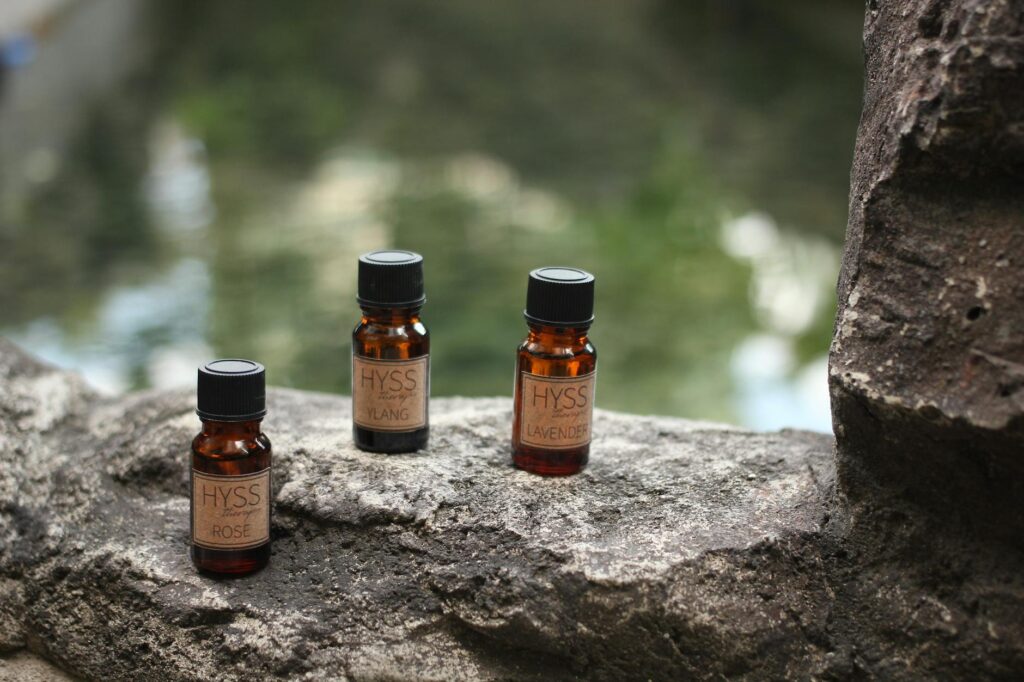
Ylang Ylang oil should be stored in a dark glass bottle to protect it from light, which can degrade its quality over time.
2. Cool, Dry Place
Keep the oil in a cool, dry place away from direct sunlight and heat sources. A cabinet or drawer is often suitable.
3. Shelf Life
When stored correctly, Ylang Ylang oil can last for 3 to 5 years. However, it is advisable to check for any changes in aroma or consistency before use.
Frequently Asked Questions
1. Can Ylang Ylang oil be used in cooking?
Ylang Ylang oil is not recommended for culinary use. It is primarily intended for topical and aromatic applications.
2. Is Ylang Ylang oil safe for children?
Children may be more sensitive to essential oils. It is advisable to consult a healthcare professional before using Ylang Ylang oil around children.
3. What are the different grades of Ylang Ylang oil?
Ylang Ylang oil is categorized into several grades, including Ylang Ylang Extra, Ylang Ylang 1, 2, and 3, with varying aromatic profiles and applications.
4. How can I incorporate Ylang Ylang oil into my skincare routine?
Ylang Ylang oil can be added to your skincare products or used in a diluted form as a facial serum. Always ensure it is properly diluted in a carrier oil before application.
5. Does Ylang Ylang oil have any side effects?
While generally safe, some individuals may experience skin irritation or allergic reactions. A patch test is recommended prior to use.
Conclusion
Ylang Ylang oil is a versatile and fragrant essential oil that offers numerous potential benefits, making it a valued addition to aromatherapy and holistic wellness practices. Its mood-enhancing properties, coupled with its uses in skincare and haircare, highlight its multifaceted appeal. As with any essential oil, proper application and safety considerations are paramount to enjoying its benefits fully. Through informed usage, Ylang Ylang oil can enrich your wellness journey, bringing a touch of nature’s beauty into your daily life.