
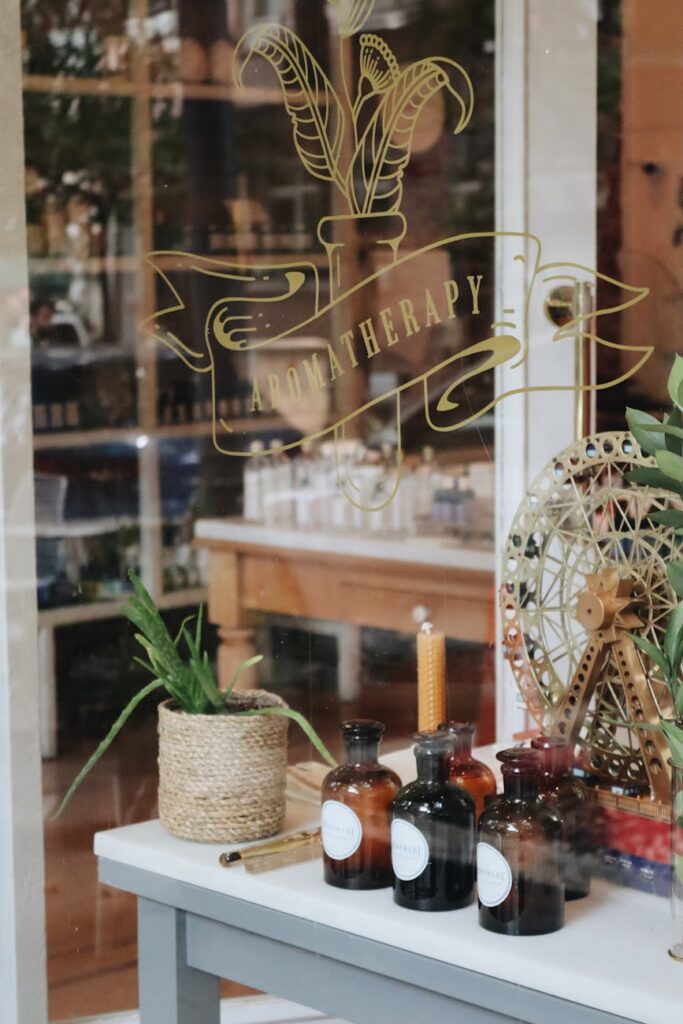
Best Ways to Use Aromatherapy Blends for Grief and Loss
Introduction
Grief is a complex emotional response that can arise from the loss of a loved one, a significant life change, or any profound sense of loss. The journey through grief is deeply personal, often accompanied by a wide range of feelings, including sadness, anger, and confusion. Aromatherapy, the practice of using essential oils for therapeutic purposes, has gained popularity as a complementary approach to support emotional well-being. This article explores the best ways to use aromatherapy blends specifically designed for grief and loss, offering insights into their benefits, applications, and safety considerations.
What Is Aromatherapy Blends for Grief and Loss?
Aromatherapy blends for grief and loss are carefully formulated combinations of essential oils intended to promote emotional healing and comfort during times of sorrow. Essential oils are concentrated extracts derived from plants, flowers, and herbs, each possessing unique aromatic properties and therapeutic benefits. When combined, these oils can create synergistic effects that enhance their individual properties, making them particularly effective in addressing the emotional and psychological challenges associated with grief.
Common essential oils used in blends aimed at grief and loss include lavender, bergamot, frankincense, and chamomile, among others. Each oil offers distinct scents and benefits, making them suitable for various emotional states and healing processes.
Key Benefits and Properties
Aromatherapy blends for grief and loss can provide several benefits:
1. Emotional Support: Certain essential oils are known for their calming and soothing properties, helping to alleviate feelings of anxiety, sadness, or despair.
2. Stress Relief: Many essential oils possess stress-relieving attributes that can assist in reducing tension and promoting a sense of peace during difficult times.
3. Mood Enhancement: Certain oils can uplift the spirit, encouraging positive emotions and helping to counteract feelings of hopelessness.
4. Mindfulness and Presence: The act of inhaling essential oils can promote mindfulness, encouraging individuals to be present with their feelings and experiences, rather than suppressing or avoiding them.
5. Sleep Support: Grief can often disrupt sleep patterns. Aromatherapy can aid relaxation and improve sleep quality, providing a restorative break in the healing process.
Common Uses
Aromatherapy blends for grief and loss can be utilized in various ways to integrate their benefits into daily life. Common uses include:
- Diffusion: Using an essential oil diffuser can fill a room with the soothing scents of chosen blends, creating a calming atmosphere.
- Topical Application: Diluted essential oils can be applied to pulse points or areas of tension to promote relaxation and emotional relief.
- Bathing: Adding a few drops of essential oil blends to a warm bath can provide a comforting and immersive experience.
- Inhalation: Direct inhalation from a bottle or a personal inhaler can offer immediate emotional support.
- Massage: Incorporating aromatherapy blends into massage can enhance relaxation and emotional release.
- Calming Blend: Lavender, chamomile, and bergamot.
- Uplifting Blend: Sweet orange, grapefruit, and frankincense.
- Apply the blend to pulse points like the wrists or neck.
- Massage into areas that hold tension, such as the shoulders.
- 5 drops of lavender essential oil
- 5 drops of bergamot essential oil
- 1 cup of Epsom salts
- 3 drops of frankincense
- 2 drops of sandalwood
- 3 drops of chamomile
- 3 drops of lavender
- 2 tablespoons of carrier oil
- Dilution: Always dilute essential oils with a carrier oil before applying them to the skin to prevent irritation or allergic reactions.
- Patch Test: Conduct a patch test by applying a small amount of the diluted blend to an inconspicuous area of skin to check for any adverse reactions.
- Avoid Ingestion: Essential oils should not be ingested unless under the guidance of a qualified professional.
- Consultation: If you are pregnant, nursing, or have pre-existing health conditions, consult with a qualified aromatherapy practitioner or healthcare professional before use.
- Storage: Store essential oils in a cool, dark place, away from direct sunlight and heat sources to maintain their efficacy.
- Containers: Use dark glass bottles to protect oils from light, and ensure lids are tightly sealed.
- Temperature: Store oils in a cool environment, ideally between 60-70°F (15-21°C).
- Shelf Life: Most essential oils have a shelf life of 1-3 years, depending on the type. Citrus oils generally have a shorter shelf life, while oils like patchouli and sandalwood can last longer. Always check for any changes in smell or appearance before use.
Aromatherapy Applications
1. Diffusion
Diffusion is one of the most popular methods of using aromatherapy blends. By adding a few drops of the chosen blend to a diffuser filled with water, individuals can create an aromatic environment that soothes the mind and spirit.
Recommended Blends for Diffusion:
2. Topical Application
For topical use, it’s important to dilute essential oils with a carrier oil, such as coconut or jojoba oil, to prevent skin irritation. A common dilution ratio is 2-3 drops of essential oil per teaspoon of carrier oil.
Application Tips:
3. Bathing
Creating a relaxing bath experience with essential oils can provide comfort and relief. Mix essential oils with a neutral carrier, such as Epsom salts or a bath oil, to help disperse the oils in water.
Relaxing Bath Blend:
4. Inhalation
Inhalation can be an effective way to access the emotional benefits of essential oils quickly. This can be done using personal inhalers or simply by placing a few drops on a tissue or cotton ball and inhaling deeply.
Quick Inhalation Blend:
5. Massage
Incorporating aromatherapy into massage can enhance relaxation. Use a blend of calming essential oils with a carrier oil to promote emotional release during the massage.
Massage Blend:
Safety Considerations
While aromatherapy can be beneficial, it is essential to practice safety when using essential oils:
Storage and Shelf Life
Proper storage of essential oils is critical to preserving their potency and aroma. Follow these guidelines:
Frequently Asked Questions
1. Can aromatherapy completely heal grief?
While aromatherapy can provide emotional support and comfort, it is not a substitute for professional mental health care. It can be a complementary practice to help individuals cope with grief.
2. How often can I use aromatherapy for grief and loss?
You can use aromatherapy as often as you feel is necessary. Listening to your body and emotions can guide how frequently you utilize these blends.
3. Are there any essential oils I should avoid when grieving?
Everyone’s emotional responses to scents can differ. It’s best to avoid oils that may evoke negative memories or feelings for you personally. Testing small amounts can help you gauge your reactions.
4. Can children use aromatherapy blends for grief and loss?
Aromatherapy can be beneficial for children, but it is crucial to use diluted blends and consult with a healthcare professional or aromatherapy practitioner specializing in pediatric care.
5. How can I create my own aromatherapy blend for grief and loss?
To create a personalized blend, choose 2-4 essential oils known for their calming or uplifting properties. Experiment with different ratios and always dilute them in a carrier oil before applying topically or using in a diffuser.
Conclusion
Aromatherapy blends can serve as a nurturing support during periods of grief and loss. By providing emotional comfort, promoting relaxation, and encouraging mindfulness, these natural remedies can play a role in the healing process. However, it is essential to remember that aromatherapy is a complementary approach and should not replace professional care when needed. By integrating aromatherapy thoughtfully into your self-care routine, you can foster a deeper connection with your emotions and navigate the journey of grief with greater ease.