
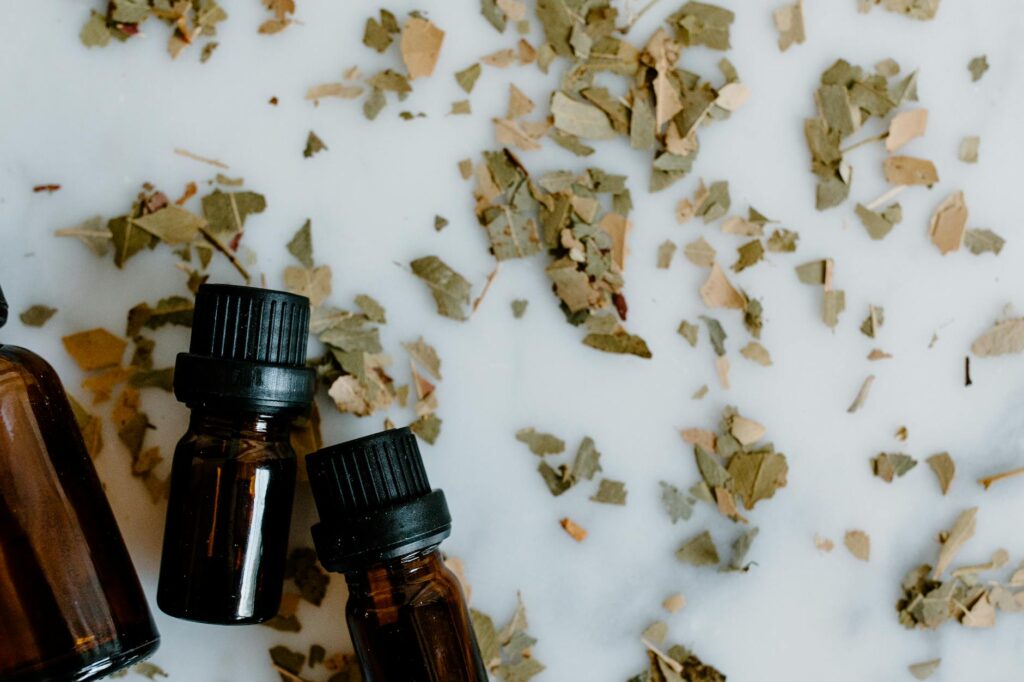
Best Ways to Use Aromatherapy Blends for Heart Health
Introduction
Aromatherapy, the practice of using essential oils extracted from plants for therapeutic purposes, has gained popularity as a complementary approach to enhancing overall well-being. Among its various applications, aromatherapy blends specifically targeting heart health are of particular interest. These blends draw on the properties of essential oils known for their potential to support emotional balance and promote relaxation, factors that can indirectly benefit heart health. This article explores the essential oils commonly used in heart-health-focused blends, their benefits, and safe practices for usage.
What Are Aromatherapy Blends for Heart Health?
Aromatherapy blends for heart health are mixtures of essential oils formulated to promote emotional well-being, reduce stress, and create a calming environment. While heart health encompasses physical aspects, such as cardiovascular function, emotional well-being plays a crucial role, as stress and anxiety can significantly impact heart health. Essential oils such as lavender, ylang-ylang, and bergamot are often included in these blends due to their reputed calming and uplifting properties.
Key Benefits and Properties
1. Emotional Balance
Many essential oils used in heart health blends exhibit properties that may help alleviate feelings of anxiety, sadness, or stress. Oils like bergamot and frankincense are known for their mood-enhancing abilities, which can contribute to a sense of emotional balance.
2. Stress Reduction
Chronic stress can have detrimental effects on heart health. Essential oils like lavender and chamomile are renowned for their calming effects, helping to reduce stress and promote relaxation.
3. Improved Sleep Quality
Quality sleep is vital for overall heart health. Oils such as cedarwood and marjoram are often included in blends aimed at promoting restful sleep, which in turn supports cardiovascular function.
4. Enhanced Circulation
Certain essential oils, like ginger and black pepper, are thought to stimulate circulation, which can be beneficial for overall cardiovascular health. These oils may be included in blends for their potential to support blood flow.
5. Uplifting Mood
Aromatherapy blends can create a positive atmosphere, enhancing feelings of joy and contentment. Oils like citrus (e.g., lemon, orange) are known for their uplifting properties, which can contribute to overall emotional well-being.
Common Uses
1. Diffusion
One of the most popular methods for using aromatherapy blends is through diffusion. Adding a few drops of a heart-health blend to a diffuser allows the essential oils to disperse into the air, creating a calming atmosphere that can benefit mood and relaxation.
2. Topical Application
Diluting essential oils in a carrier oil (such as jojoba or sweet almond oil) for topical application is another effective way to utilize these blends. Applying them to pulse points, such as the wrists or neck, can provide localized benefits and enhance the overall experience of the blend.
3. Inhalation
Inhaling essential oils directly from the bottle or from a personal inhaler can provide immediate relief from stress and anxiety. This method allows for quick access to the therapeutic properties of the oils.
4. Bathing
Adding a few drops of an aromatherapy blend to bathwater can create a soothing and relaxing experience. The heat of the water helps to release the essential oils, allowing the user to absorb their benefits through both inhalation and skin contact.
5. Massage
Incorporating aromatherapy blends into massage therapy can enhance relaxation and promote emotional release. The combination of touch and scent can deepen the effects of the essential oils, creating a holistic experience.
Aromatherapy Applications
1. Blending Oils
Creating custom blends tailored to individual preferences and needs can enhance the efficacy of aromatherapy. When formulating a blend for heart health, consider using a base oil (like sweet almond or coconut oil) and adding essential oils in a balanced ratio. A common starting point is to use 3-5 drops of essential oil per tablespoon of carrier oil.
2. Suggested Essential Oils for Heart Health
- Bergamot: Known for its uplifting effects, bergamot oil can help alleviate stress and anxiety.
- Lavender: Renowned for its calming properties, lavender oil promotes relaxation and enhances sleep quality.
- Ylang-Ylang: This floral oil has a sweet aroma and is believed to help reduce feelings of tension and anxiety.
- Frankincense: Often associated with meditation, frankincense can help ground emotions and promote relaxation.
- Cedarwood: Known for its calming effects, cedarwood oil may assist in reducing anxiety and improving sleep.
- Ginger: This oil can stimulate circulation and is often used in blends aimed at overall wellness.
Safety Considerations
While aromatherapy can offer numerous benefits, it is essential to use essential oils safely. Here are some guidelines to consider:
1. Dilution: Essential oils should always be diluted in a carrier oil for topical use to avoid skin irritation. A general guideline is to dilute 1-2 drops of essential oil per teaspoon of carrier oil.
2. Patch Test: Conduct a patch test before using a new essential oil topically. Apply a small amount of the diluted oil to a small area of skin and wait for 24 hours to check for any adverse reactions.
3. Consultation: If you have existing health conditions or are pregnant, consult a qualified healthcare professional before using essential oils.
4. Quality of Oils: Always choose high-quality, pure essential oils from reputable sources. Look for oils that are labeled “therapeutic grade” or “100% pure.”
5. Storage: Essential oils should be stored in a cool, dark place, away from direct sunlight, to maintain their potency.
Storage and Shelf Life
Proper storage is crucial for extending the shelf life of essential oils. Most essential oils have a shelf life of 1-3 years, depending on the type of oil and storage conditions. Here are some tips for effective storage:
1. Dark Glass Bottles: Store essential oils in dark glass bottles to protect them from light degradation.
2. Cool Environment: Keep oils in a cool, dry place, away from heat sources and direct sunlight.
3. Tightly Sealed: Ensure that bottles are tightly sealed to prevent evaporation and contamination.
4. Check Expiration Dates: Be mindful of the expiration dates and discard any oils that have changed in color, consistency, or scent.
Frequently Asked Questions
1. Can aromatherapy blends replace traditional medicine?
Aromatherapy should be viewed as a complementary approach rather than a replacement for traditional medical treatments. It can support emotional well-being but should not be relied upon for diagnosing or treating medical conditions.
2. How often can I use aromatherapy blends?
Aromatherapy blends can be used daily; however, it’s essential to listen to your body and adjust usage based on personal comfort and preference. Regular breaks from continuous use can also be beneficial.
3. Are there any essential oils that should be avoided?
Certain essential oils may not be suitable for everyone, especially pregnant individuals or those with specific health conditions. Oils such as sage, wintergreen, and rosemary should be used with caution or avoided altogether.
4. How do I choose the right essential oils for my heart health blend?
Choosing the right essential oils depends on personal preferences and desired outcomes. Consider oils known for their calming and uplifting properties, and experiment with different combinations to find what resonates with you.
5. Can I use aromatherapy blends with children?
While some essential oils can be safe for children, they should always be used with caution and in appropriate dilutions. It is advisable to consult a healthcare professional before using essential oils with children.
Conclusion
Aromatherapy blends tailored for heart health can serve as a valuable tool for enhancing emotional balance and reducing stress. By understanding the properties of various essential oils and employing safe practices, individuals can create effective blends that contribute to overall well-being. While aromatherapy is not a substitute for medical treatment, it can complement a holistic approach to health and wellness.