
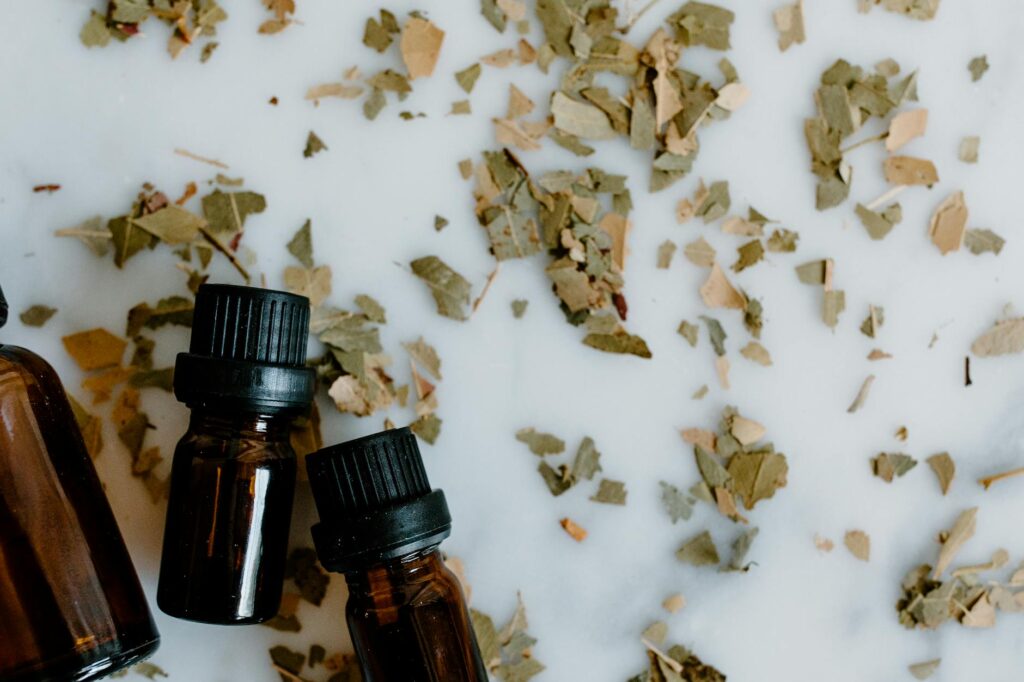
Best Ways to Use Aromatherapy Blends for Respiratory Health
Introduction
Aromatherapy, a holistic healing practice that utilizes essential oils, has gained popularity for its ability to promote physical and emotional well-being. Among its many applications, aromatherapy blends for respiratory health are particularly noteworthy. The use of aromatic compounds can support respiratory function and create a soothing environment, especially during cold seasons or when allergens are prevalent. This article delves into the essence of aromatherapy blends designed for respiratory health, exploring their benefits, common applications, and safety considerations.
What Is Aromatherapy Blends for Respiratory Health?
Aromatherapy blends for respiratory health generally consist of essential oils known for their potential to ease breathing difficulties, reduce congestion, and support overall respiratory function. These blends can include a variety of oils, each selected for its unique properties. Common essential oils used in these blends include eucalyptus, peppermint, tea tree, and lavender, among others. The synergy of these oils can enhance their individual effects, creating a holistic approach to respiratory wellness.
Key Benefits and Properties
Aromatherapy blends formulated for respiratory health offer a range of benefits. Here are some key properties associated with common essential oils used in these blends:
1. Anti-Inflammatory: Many essential oils possess anti-inflammatory properties, which may help soothe irritated airways and reduce inflammation in the respiratory tract.
2. Expectorant: Certain oils, such as eucalyptus and thyme, are known as expectorants. They may assist in loosening mucus, making it easier to expel phlegm from the lungs.
3. Antimicrobial: Essential oils like tea tree and oregano are recognized for their antimicrobial properties, which may help combat respiratory infections and support the immune system.
4. Calming: Oils such as lavender and chamomile are celebrated for their calming effects, which can help reduce stress and anxiety, often exacerbating respiratory issues.
5. Decongestant: Peppermint and eucalyptus oils are well-known decongestants and can help open up the airways, making breathing easier.
By combining these oils, aromatherapy blends can create a multi-faceted approach to respiratory health.
Common Uses
Aromatherapy blends for respiratory health can be employed in various ways, depending on individual preferences and needs. Here are some common uses:
1. Steam Inhalation: Inhaling steam infused with essential oils can help clear nasal passages and soothe the throat. This method is particularly effective during cold and allergy seasons.
2. Diffusion: Using an essential oil diffuser allows the aromatic compounds to disperse throughout a room, creating a calming environment while promoting respiratory health.
3. Topical Application: Diluting essential oils in a carrier oil and applying them to the chest or back can provide localized relief and enhance absorption.
4. Bath Soaks: Adding essential oils to a warm bath can create a relaxing atmosphere while delivering the benefits of aromatherapy through inhalation and skin absorption.
5. Room Sprays: Creating a room spray with essential oils can not only refresh the air but also provide respiratory support.
Aromatherapy Applications
When using aromatherapy blends for respiratory health, the following applications can enhance their effectiveness:
1. Steam Inhalation
To perform steam inhalation:
- Boil water and pour it into a bowl.
- Add a few drops of essential oil (eucalyptus or peppermint are popular choices).
- Lean over the bowl, covering your head with a towel to trap the steam.
- Inhale deeply for about 5-10 minutes, taking care to avoid burns.
- Fill your diffuser with water as per the manufacturer’s instructions.
- Add 3-5 drops of your chosen essential oil blend.
- Turn on the diffuser, allowing the aroma to permeate the space for 30-60 minutes.
- Mix 2-3 drops of essential oil with a carrier oil (such as coconut or jojoba oil).
- Apply the mixture to the chest or back, gently massaging it into the skin.
- Fill your bathtub with warm water.
- Add 5-10 drops of your essential oil blend to the water.
- Soak for at least 15-20 minutes to fully enjoy the benefits.
- Combine 1 cup of distilled water with 10-15 drops of essential oil in a spray bottle.
- Shake well before use and spray around your living space as needed.
2. Diffusion
For diffusion:
3. Topical Application
For topical use:
4. Bath Soaks
To create a relaxing bath:
5. Room Sprays
To make a room spray:
Safety Considerations
While aromatherapy can be beneficial, it is essential to follow safety guidelines:
1. Dilution: Always dilute essential oils with a carrier oil before applying them to the skin to minimize the risk of irritation.
2. Allergies: Conduct a patch test on a small area of skin to check for any allergic reactions before widespread use.
3. Pregnancy and Children: Certain essential oils may not be suitable for pregnant women or young children. Research and consult guidelines to ensure safety.
4. Quality of Oils: Use high-quality, pure essential oils from reputable sources to avoid synthetic additives and contaminants.
5. Consultation: If you have pre-existing health conditions or are on medication, consult a healthcare professional before using essential oils.
Storage and Shelf Life
Proper storage of essential oils is crucial to maintaining their potency and effectiveness:
1. Containers: Store essential oils in dark glass bottles to protect them from light, which can degrade the oils over time.
2. Cool Environment: Keep oils in a cool, dry place away from direct sunlight and heat sources.
3. Shelf Life: While many essential oils have a shelf life of 1-3 years, some oils, like citrus, may have a shorter shelf life due to their chemical composition. It’s advisable to check for changes in smell or consistency before use.
Frequently Asked Questions
1. Can aromatherapy blends completely cure respiratory issues?
While aromatherapy blends can support respiratory health, they should not be viewed as a substitute for medical treatment. Always consult a healthcare professional for serious respiratory concerns.
2. How often can I use essential oils for respiratory health?
The frequency of use can vary based on individual preference and the method employed. For diffusion, sessions of 30-60 minutes several times a day are common, while topical applications can be done 1-2 times daily as needed.
3. Are there any essential oils to avoid for respiratory issues?
Certain oils, such as clove and cinnamon, may be too strong for sensitive individuals and could cause irritation. Always consult safety guidelines and choose oils that are well-tolerated.
4. Can I mix different essential oils together?
Yes, many people find that blending essential oils can enhance their effects. However, it is essential to research the properties of each oil to ensure they complement one another.
5. How do I know if I’m using the right blend for my needs?
Experimenting with different blends can help you find what works best for you. Pay attention to how your body responds to each oil and adjust accordingly.
Conclusion
Aromatherapy blends for respiratory health offer a natural way to support breathing and overall well-being. By understanding the properties of various essential oils and their applications, individuals can incorporate these blends into their daily routines effectively. Remember to prioritize safety and consult with professionals when necessary to make the most of your aromatherapy journey.