
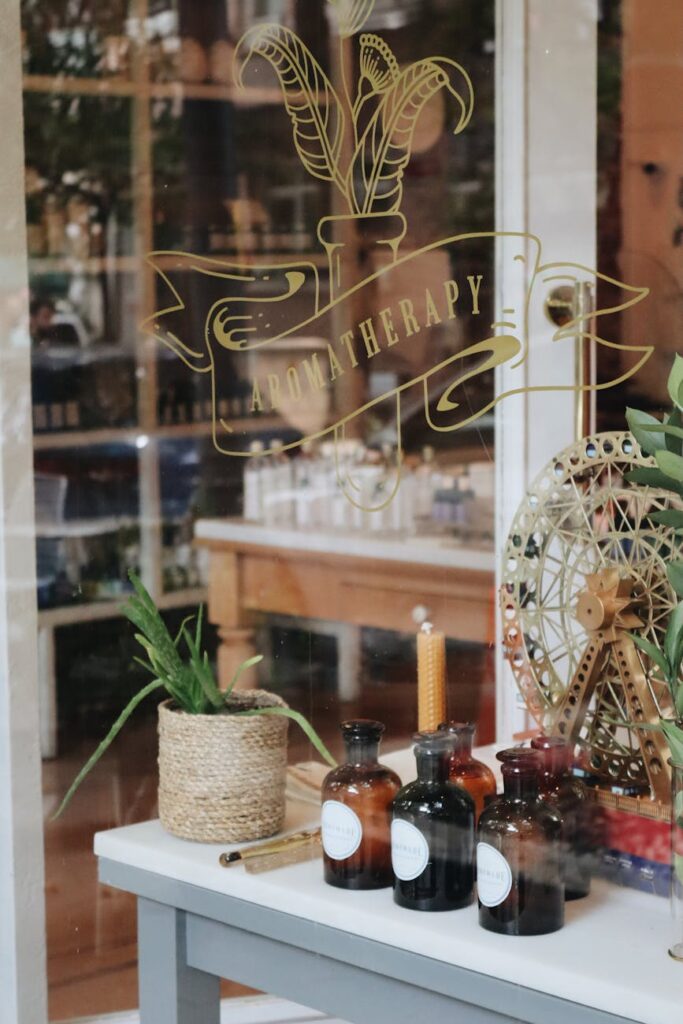
Best Ways to Use Aromatherapy Blends for Seasonal Affective Disorder
Introduction
Seasonal Affective Disorder (SAD) is a type of depression that occurs at certain times of the year, often during fall and winter when sunlight exposure is limited. Many individuals turn to various methods to alleviate its symptoms, and aromatherapy, with its blend of essential oils, is gaining popularity as a supportive tool. This article explores the use of aromatherapy blends specifically for SAD, discussing their benefits, common applications, and safety considerations.
What Is Aromatherapy Blends for Seasonal Affective Disorder?
Aromatherapy involves the use of essential oils extracted from plants to promote physical and emotional well-being. Blends designed for Seasonal Affective Disorder typically combine several essential oils known for their uplifting, calming, or mood-enhancing properties. These blends can be used in various ways to create a sensory experience that may help improve mood and alleviate feelings associated with SAD.
Key Benefits and Properties
Aromatherapy offers a range of benefits, particularly for those experiencing seasonal mood fluctuations. The essential oils commonly used in SAD blends possess various properties:
1. Uplifting: Oils like sweet orange, bergamot, and lemon are known for their cheerful, uplifting scents. They can help alleviate feelings of sadness and promote a more positive mood.
2. Calming: Oils such as lavender and chamomile have calming properties that can reduce anxiety and stress, making them valuable for emotional balance.
3. Energizing: Peppermint and rosemary are invigorating oils that can help combat fatigue and lethargy, often associated with SAD.
4. Promoting Clarity: Essential oils like eucalyptus and frankincense can clear the mind and enhance focus, aiding in mental clarity during dreary days.
5. Balancing Hormones: Certain oils may assist in balancing hormonal fluctuations, which can contribute to mood changes during seasonal transitions.
Common Uses
Aromatherapy blends for Seasonal Affective Disorder can be utilized in several ways, depending on personal preference and lifestyle. Here are some common uses:
1. Diffusion: Using an essential oil diffuser is one of the most popular methods. The gentle mist disperses the fragrance into the air, creating a soothing environment.
2. Inhalation: Placing a few drops of essential oil on a tissue or cotton ball allows for direct inhalation. This method is particularly effective for immediate mood enhancement.
3. Topical Application: When diluted with a carrier oil, essential oils can be applied to pulse points, such as wrists or temples. This method provides both aroma and skin benefits.
4. Bathing: Adding a few drops of an aromatherapy blend to bathwater can create a relaxing experience that calms the mind and uplifts the spirit.
5. Room Sprays: Creating a room spray with essential oils can refresh your living space and enhance your mood with each spritz.
Aromatherapy Applications
1. Diffusion
To create a mood-enhancing environment, consider blending the following essential oils in a diffuser:
- 2 drops of Sweet Orange: Known for its uplifting scent.
- 2 drops of Bergamot: Provides a calming yet uplifting effect.
- 1 drop of Frankincense: Promotes clarity and peace.
- 1 drop of Peppermint: Energizes and revitalizes.
- 1 drop of Lavender: Calms and soothes.
- 1 drop of Lemon: Elevates mood and promotes positivity.
- 10 ml of Carrier Oil (such as jojoba or sweet almond)
- 5 drops of Lavender
- 5 drops of Sweet Orange
- 5 drops of Sandalwood: For grounding and calming effects.
- 5 drops of Ylang-Ylang: Known for its sweet floral aroma.
- 5 drops of Bergamot: Uplifting and refreshing.
- 1 cup of Epsom salts: Enhances relaxation.
- 10 drops of Rosemary: Invigorates and clears the mind.
- 10 drops of Grapefruit: Uplifting and energizing.
- 10 drops of Clary Sage: Balances emotions.
- Store oils in dark glass bottles to protect them from light.
- Keep them in a cool, dry place to prevent degradation.
- Label bottles with the date of purchase for easy tracking.
2. Inhalation
For instant relief, mix the following oils on a cotton ball or tissue:
3. Topical Application
Create a roll-on blend by combining:
Apply to pulse points as needed throughout the day.
4. Bathing
For a luxurious and uplifting bath, add the following to a warm bath:
5. Room Sprays
Combine the following in a spray bottle filled with water (and a splash of alcohol to help the oils mix):
Spritz in your living space as desired.
Safety Considerations
While aromatherapy can be a beneficial tool for managing Seasonal Affective Disorder, safety should always be a priority:
1. Dilution: Always dilute essential oils with a carrier oil before applying them to the skin to avoid irritation.
2. Patch Test: Conduct a patch test before using any essential oil topically to ensure there is no allergic reaction.
3. Pregnancy and Nursing: Consult with a healthcare professional before using essential oils if you are pregnant or nursing.
4. Existing Conditions: Individuals with asthma or other respiratory conditions should exercise caution when using diffusers or inhaling essential oils.
5. Storage: Keep essential oils in a cool, dark place, away from direct sunlight, to maintain their potency.
Storage and Shelf Life
Proper storage is essential for maintaining the efficacy of essential oils. Most essential oils have a shelf life ranging from 1 to 5 years, depending on the type and storage conditions. To ensure longevity:
Frequently Asked Questions
1. Can aromatherapy completely cure Seasonal Affective Disorder?
Aromatherapy is not a cure for Seasonal Affective Disorder but may serve as a supportive tool to improve emotional well-being. It is essential to consult a healthcare professional for a comprehensive treatment plan.
2. Are there any essential oils to avoid during pregnancy?
Certain essential oils, such as rosemary, sage, and peppermint, should be avoided during pregnancy. Always consult with a healthcare provider before using any aromatherapy products while pregnant.
3. How often should I use aromatherapy for SAD?
The frequency of use can vary based on individual needs. Some may benefit from daily use, while others may find relief with occasional applications. Listen to your body and adjust accordingly.
4. Can I use essential oils in my workplace?
Using essential oils in the workplace can enhance mood and productivity, but it’s essential to consider the preferences of colleagues. A personal inhaler or discreet diffuser may be preferable in shared spaces.
5. Is it safe to use essential oils around pets?
Some essential oils can be harmful to pets. Always research specific oils before use and consult a veterinarian if you have concerns about using essential oils in a pet-friendly environment.
Conclusion
Aromatherapy blends can be a valuable addition to your toolkit for managing the effects of Seasonal Affective Disorder. By understanding the properties of essential oils, their applications, and safety considerations, you can create a personalized approach to enhance your emotional well-being during the darker months. While aromatherapy is not a substitute for professional treatment, it can provide a comforting and uplifting experience, helping you navigate the seasonal changes with greater ease and positivity.