
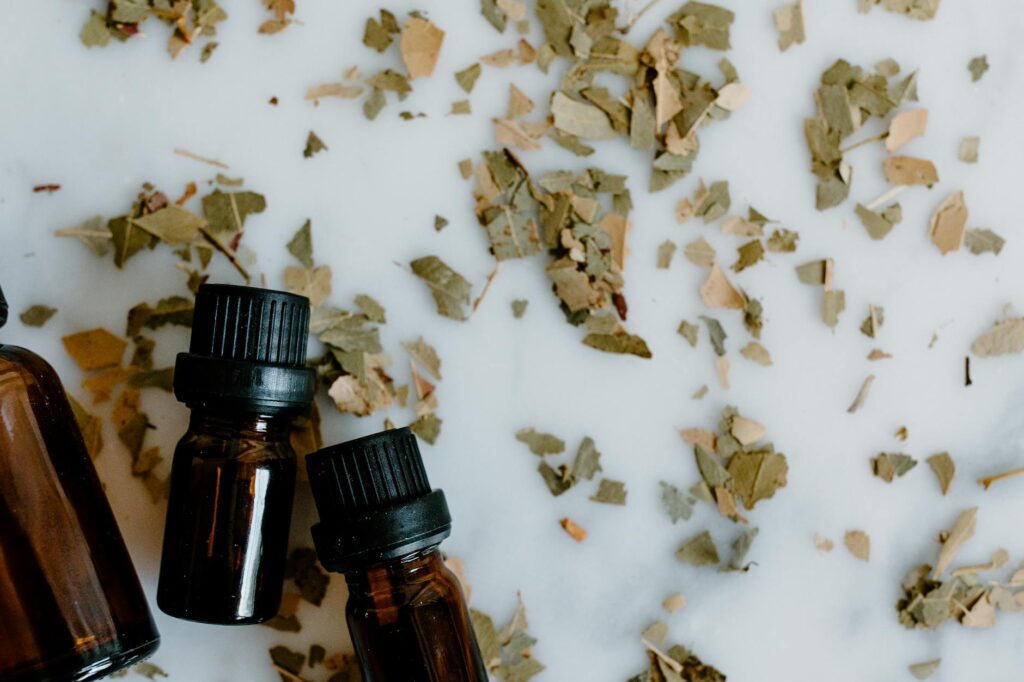
Best Ways to Use Aromatherapy Blends for Seasonal Mood Changes
Introduction
As the seasons shift, so too can our moods and emotional states. The transition from the vibrant energy of summer to the introspective calm of winter, or the awakening freshness of spring to the heat of summer, can impact how we feel both mentally and physically. Aromatherapy, the therapeutic use of essential oils, offers an array of natural solutions to help balance and uplift our spirits during these changing times. This article explores the best ways to use aromatherapy blends specifically designed for seasonal mood changes.
What Is Aromatherapy Blends for Seasonal Mood Changes?
Aromatherapy blends consist of carefully curated combinations of essential oils, each chosen for their unique properties and effects on mood. These blends can be tailored to address specific seasonal emotional challenges, such as Seasonal Affective Disorder (SAD), anxiety during the holidays, or the restlessness that often accompanies spring. By utilizing these blends, individuals can harness the natural power of plant essences to promote emotional well-being.
Key Benefits and Properties
Emotional Balance
Many essential oils have been shown to possess properties that can help stabilize emotions and enhance mood. For example, citrus oils like bergamot and sweet orange are often uplifting, while grounding oils such as cedarwood and frankincense can instill a sense of calm.
Stress Relief
Certain aromatherapy blends can reduce stress and anxiety, making them particularly beneficial during transitional seasons. Oils like lavender, chamomile, and ylang-ylang are known for their relaxing qualities.
Enhanced Focus and Clarity
As the seasons change, it can be easy to feel unfocused or overwhelmed. Essential oils such as rosemary and peppermint have invigorating properties that can enhance mental clarity and concentration.
Common Uses
Seasonal Affective Disorder (SAD)
During the winter months, many individuals experience symptoms of SAD, characterized by feelings of sadness and lethargy. Aromatherapy blends that include uplifting oils like grapefruit, lemon, and eucalyptus can help counteract these feelings.
Holiday Stress
The holiday season often brings with it a whirlwind of activities and social obligations that can lead to stress and anxiety. Blends containing oils such as lavender, frankincense, and sweet orange can help create a calm atmosphere.
Springtime Energy Boost
As spring arrives, the natural world begins to awaken, and so too does our desire for energy and motivation. Blends featuring invigorating oils like peppermint, rosemary, and lemon can help uplift the spirit and promote a sense of renewal.
Aromatherapy Applications
Diffusion
One of the most popular methods for using aromatherapy blends is through diffusion. A diffuser disperses essential oils into the air, allowing for an immersive aromatic experience. To create a seasonal blend, combine a few drops of your chosen oils in the diffuser according to the recommended ratios. For example, a winter blend might include three drops of cedarwood, two drops of orange, and one drop of frankincense.
Inhalation
Direct inhalation is another effective way to experience the benefits of aromatherapy. Simply add a few drops of an essential oil blend to a tissue or cotton ball and inhale deeply. This method is particularly useful for quick mood adjustments throughout the day.
Massage
Incorporating essential oils into massage can enhance relaxation and emotional balance. Dilute your chosen blend in a carrier oil (such as sweet almond or jojoba) before applying it to the skin. A calming blend for winter might include lavender and cedarwood, while an energizing spring blend could feature peppermint and lemon.
Bathing
Adding essential oils to a warm bath can create a soothing and immersive experience. For a calming bath, combine a few drops of lavender and chamomile with Epsom salts. For an energizing bath, consider a mix of citrus oils like grapefruit and lemon.
Personal Inhalers
Personal inhalers are portable devices that allow individuals to carry their favorite aromatherapy blends wherever they go. Simply add a few drops of the oil blend to the inhaler wick and use it as needed throughout the day for a quick mood boost.
Safety Considerations
While aromatherapy is generally considered safe, there are several important safety considerations to keep in mind:
Dilution
Essential oils are highly concentrated and should always be diluted before applying to the skin. A common dilution ratio is 2-3 drops of essential oil per teaspoon of carrier oil.
Skin Sensitivities
Before using a new oil, perform a patch test by applying a small diluted amount to a discreet area of skin. This helps ensure that no adverse reactions occur.
Pregnancy and Nursing
Certain essential oils may not be safe during pregnancy or while nursing. It is advisable to consult with a knowledgeable practitioner in these cases.
Children and Pets
Some essential oils can be harmful to children and pets. Always research the safety of specific oils before use in homes with young children or animals.
Storage and Shelf Life
Proper storage is essential for maintaining the efficacy of essential oils. They should be kept in a cool, dark place, away from direct sunlight. Dark glass bottles are ideal for storage, as they help protect the oils from light degradation. Most essential oils have a shelf life of 1 to 3 years, while blends may last slightly less due to the combination of different oils. Always check for signs of spoilage, such as changes in scent or consistency.
Frequently Asked Questions
What are the best essential oils for seasonal mood changes?
Commonly used essential oils for seasonal mood changes include lavender, bergamot, sweet orange, cedarwood, and peppermint, each offering unique benefits for emotional well-being.
How do I create my own aromatherapy blend?
To create your own blend, choose a base oil (like jojoba or sweet almond) and select 2-4 essential oils that complement each other. Aim for a harmonious combination, and experiment with different ratios until you find a scent you enjoy.
Can aromatherapy replace traditional mental health treatments?
While aromatherapy can be a valuable complementary approach to emotional well-being, it should not be considered a substitute for professional mental health treatment. Individuals experiencing severe mood changes should seek guidance from a qualified mental health professional.
How often can I use aromatherapy blends?
Aromatherapy blends can be used as needed, but moderation is advised. Daily use is generally acceptable, but it’s important to listen to your body and adjust accordingly.
Are there any essential oils I should avoid?
Certain essential oils, such as wintergreen and eucalyptus, can be irritating in high concentrations or for certain populations. Always do thorough research before using any new oil, especially in households with children or pets.
Conclusion
Aromatherapy offers a natural, holistic approach to managing seasonal mood changes. By utilizing thoughtfully crafted blends of essential oils, individuals can create an environment that supports emotional well-being throughout the year. Whether through diffusion, inhalation, or topical application, the power of aromatherapy can provide comfort and balance during life’s seasonal transitions. As with any wellness practice, personal exploration and education are key to finding what works best for each individual.