
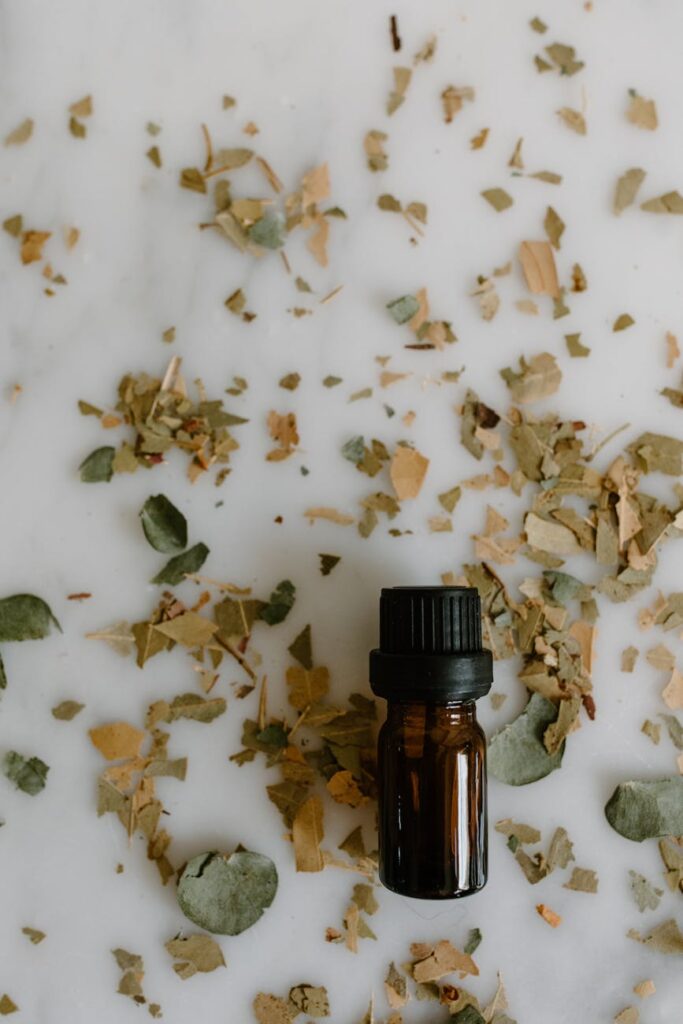
Best Ways to Use Aromatherapy Blends for Seasonal Mood Enhancement
Introduction
Aromatherapy, a holistic healing practice that utilizes essential oils, has gained immense popularity for its potential to enhance mood and well-being. Particularly during seasonal transitions, many individuals experience fluctuations in their emotional states. Utilizing aromatherapy blends can provide a natural means of support. This article explores the best ways to employ these blends for seasonal mood enhancement, delving into their benefits, applications, and practical considerations.
What Is Aromatherapy Blends for Seasonal Mood Enhancement?
Aromatherapy blends are combinations of essential oils formulated to target specific emotional or psychological states. Seasonal mood enhancement refers to the use of these blends to help individuals navigate the emotional challenges that can arise during different times of the year, such as winter blues or springtime allergies. These blends harness the innate properties of essential oils to uplift spirits, instill calm, or restore balance.
Key Benefits and Properties
Emotional Regulation
Essential oils possess unique chemical compositions that interact with the brain’s limbic system, which is responsible for emotions. This interaction can lead to improved mood regulation, making aromatherapy blends a valuable tool for emotional well-being.
Stress Reduction
Many essential oils, such as lavender and bergamot, are known for their stress-relieving properties. Incorporating these into your seasonal blends can create a soothing atmosphere that promotes relaxation and reduces feelings of anxiety.
Energy Boosting
Certain essential oils, like citrus varieties (e.g., lemon, orange) and peppermint, are invigorating and can enhance energy levels. Using these oils during dreary winter months can help counteract feelings of lethargy and boost overall vitality.
Improved Focus
Seasonal changes can affect concentration and motivation. Blends that include rosemary or eucalyptus can enhance mental clarity and focus, making them ideal for use during seasons of transition.
Common Uses
Aromatherapy blends can be used in various ways to enhance mood seasonally. Here are some common applications:
Diffusion
Diffusing essential oils is one of the most popular methods for experiencing their benefits. Using a diffuser, you can disperse the aroma of your chosen blend into the air, creating a fragrant environment that can uplift or calm your mood.
Inhalation
Simply inhaling the scent of essential oils directly from the bottle or by placing a few drops on a cotton ball can provide immediate emotional relief. This method is particularly effective for quick mood-enhancing effects.
Bathing
Adding aromatherapy blends to a warm bath can create a sensory experience that enhances relaxation and mood elevation. The warmth of the water, combined with the essential oils, can provide a holistic approach to stress relief.
Topical Application
Diluted aromatherapy blends can be applied to the skin. Common areas for application include pulse points such as wrists, temples, and behind the ears. This method allows for prolonged exposure to the oils while also benefiting from skin absorption.
Aromatherapy Applications
Seasonal Blends
Winter
For the winter months, consider blends that include warming oils such as cinnamon, clove, and orange. These oils can evoke a sense of comfort and warmth, counteracting the effects of shorter days and colder weather.
Example Blend:
- 4 drops Sweet Orange
- 2 drops Cinnamon
- 2 drops Clove
- 3 drops Lavender
- 3 drops Lemon
- 2 drops Peppermint
- 4 drops Grapefruit
- 2 drops Ylang Ylang
- 2 drops Bergamot
- 3 drops Cedarwood
- 3 drops Patchouli
- 2 drops Sweet Orange
- Keep oils in dark glass containers to protect them from light.
- Store them in a cool, dark place away from direct sunlight and heat sources.
- Always ensure that bottles are tightly sealed after use.
Spring
Spring often brings feelings of renewal and optimism. Essential oils like peppermint, lemon, and lavender can invigorate and uplift.
Example Blend:
Summer
Summer is a time for energy and vibrancy. Citrus oils and floral scents can enhance feelings of joy and positivity.
Example Blend:
Autumn
As autumn approaches, grounding oils such as cedarwood, sandalwood, and patchouli can create a sense of stability and comfort.
Example Blend:
Safety Considerations
While aromatherapy can be beneficial, it is essential to use essential oils safely. Consider the following guidelines:
Dilution
Always dilute essential oils before topical application. A general rule of thumb is to use a carrier oil, such as coconut or jojoba oil, at a ratio of 1–2 drops of essential oil per teaspoon of carrier oil.
Sensitivity Testing
Before using any new blend, conduct a patch test on a small area of skin to check for any adverse reactions. If irritation occurs, discontinue use immediately.
Avoiding Certain Oils
Some essential oils may not be suitable for everyone. Pregnant or breastfeeding individuals, as well as those with specific health conditions, should consult with a qualified professional before using essential oils.
Storage
Store essential oils in dark glass bottles in a cool, dry place to maintain their potency and extend their shelf life.
Storage and Shelf Life
The shelf life of essential oils can vary depending on the type. Generally, citrus oils have a shorter shelf life of about 1-2 years, while oils like patchouli and sandalwood can last up to 10 years or more if stored properly. To prolong their effectiveness:
Frequently Asked Questions
Can I create my own aromatherapy blends?
Yes, creating your own blends is a rewarding process. Begin by selecting essential oils that resonate with you or address specific emotional needs. Experiment with different combinations and ratios until you find a blend that you enjoy.
How often can I use aromatherapy blends?
The frequency of use can vary based on personal preference and individual reactions. Many people diffuse oils several times a day or use them in baths or topical applications as needed. Listen to your body and adjust accordingly.
Are there any oils I should avoid?
Certain essential oils are known to be more potent and may cause skin irritation or allergic reactions in some individuals. Caution is advised when using oils like cinnamon, clove, or oregano, particularly in topical applications. Always conduct a patch test and consult a professional if unsure.
Can aromatherapy be used alongside other wellness practices?
Yes, aromatherapy can complement various wellness practices such as meditation, yoga, and mindfulness. The soothing scents can enhance the overall experience and support emotional balance throughout these activities.
Is aromatherapy safe for children?
While many essential oils are safe for children, some should be avoided. It is advisable to consult with a qualified professional regarding which oils are suitable for use around children, as well as safe application methods.
Conclusion
Aromatherapy blends offer a natural and effective way to enhance mood during seasonal transitions. By understanding the benefits, applications, and safety considerations, individuals can harness the power of essential oils to foster emotional well-being. Whether through diffusion, inhalation, bathing, or topical application, the right blend can provide the support needed to navigate the changing seasons gracefully.