
Best Ways to Use Aromatherapy Blends for Seasonal Transitions
Introduction
As the seasons shift, so too do our emotional and physical needs. The transition from winter to spring, from summer to autumn, or even between the more subtle shifts, can create a variety of changes in mood, energy levels, and overall well-being. Aromatherapy blends, derived from essential oils, serve as a natural and holistic approach to support these transitions. This article explores the various aspects of using aromatherapy blends specifically tailored for seasonal changes, including their benefits, common applications, and safety considerations.
What Is Aromatherapy Blends for Seasonal Transitions?
Aromatherapy blends are combinations of essential oils formulated to enhance well-being and promote emotional balance. During seasonal transitions, these blends can provide support in adapting to new environmental conditions, such as changes in light, temperature, and humidity. By utilizing specific essential oils that correspond to the characteristics of each season, individuals can create a sensory experience that aligns with their needs.
For instance, during the colder months, grounding and warming oils may be preferred, while uplifting and invigorating scents might be more suitable for spring. The careful selection of these oils results in blends that can foster emotional resilience and physical comfort as seasons change.
Key Benefits and Properties
Aromatherapy blends for seasonal transitions offer numerous benefits, including:
Emotional Balance
Aromatherapy can help stabilize emotions during times of change. For example, citrus oils like bergamot and sweet orange can uplift the spirit, while grounding oils such as vetiver can provide a calming effect.
Physical Comfort
Certain essential oils possess properties that can ease common seasonal discomforts. For example, eucalyptus and peppermint may help to clear sinuses during allergy season.
Enhanced Focus and Clarity
As seasons shift, so can our ability to concentrate. Oils like rosemary and lemon are known for their ability to promote mental clarity and focus, helping individuals remain productive during transitional times.
Immune Support
Some essential oils, such as tea tree and lavender, possess antimicrobial properties, which may support the immune system during seasonal changes when colds and allergies are prevalent.
Common Uses
Aromatherapy blends can be employed in various ways to maximize their benefits during seasonal transitions:
Diffusion
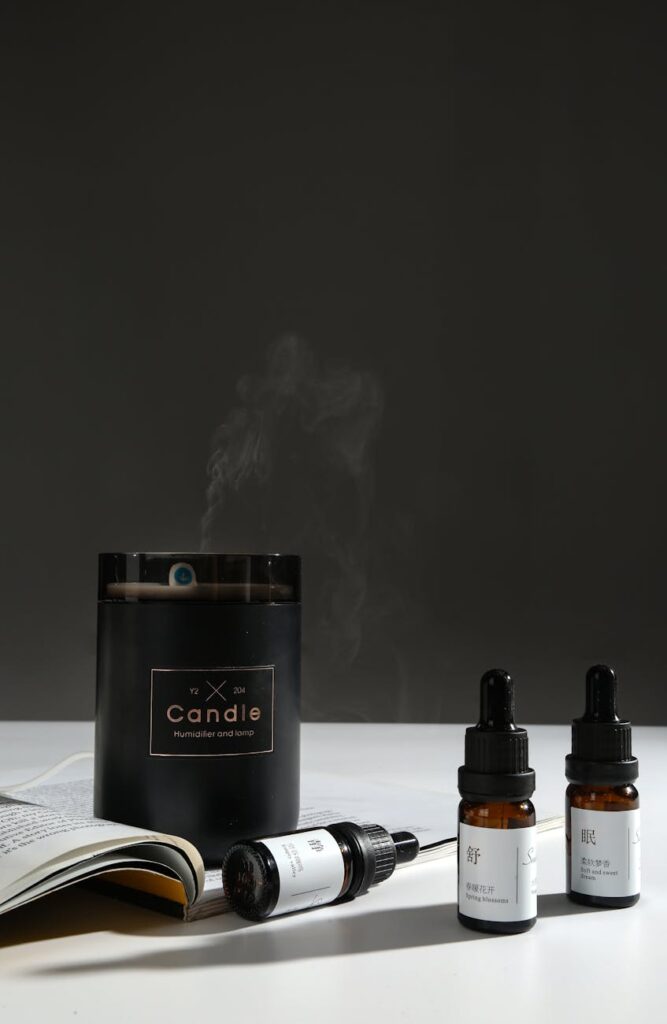
Diffusing essential oils into the air is one of the most popular methods. This technique allows for the dispersal of aromatic molecules throughout a space, creating an inviting environment that can enhance mood and well-being.
Topical Application
Blending essential oils with a carrier oil for topical application can offer localized relief. This method is particularly effective for targeting areas of discomfort or tension.
Inhalation
Simply inhaling the scent of an essential oil directly from the bottle or from a cotton ball can provide immediate emotional benefits. Inhalation is a quick way to access the effects of aromatherapy without any additional preparation.
Bathing
Adding essential oils to a warm bath can create a soothing and aromatic experience. This method allows for both inhalation and skin absorption, making it a holistic approach to relaxation.
Household Products
Incorporating essential oils into cleaning products or air fresheners can not only enhance the scent of your home but also infuse the environment with the beneficial properties of the oils.
Aromatherapy Applications
The following are specific aromatherapy blends and applications tailored for each seasonal transition:
Spring
Blends: A combination of citrus oils like lemon and grapefruit, along with floral oils such as lavender and geranium, can create an uplifting atmosphere.
Application: Use these oils in a diffuser to welcome the freshness of spring. Additionally, consider using a roll-on blend on pulse points for a quick mood boost.
Summer
Blends: Cooling oils such as peppermint and eucalyptus, combined with refreshing citrus oils, can help combat the heat and invigorate the senses.
Application: Create a body spray by diluting essential oils in water and using it on hot days to cool down. You can also use these oils in a foot soak to refresh tired feet.
Autumn
Blends: Earthy and warming oils like cedarwood, frankincense, and clary sage can provide comfort and grounding as the days grow shorter.
Application: Use these oils in a diffuser during cozy evenings at home. Additionally, consider adding them to a massage oil for a comforting self-care routine.
Winter
Blends: Warming oils such as cinnamon, clove, and ginger can create a sense of warmth and comfort during the colder months.
Application: Use these oils in a candle or diffuser to create a cozy atmosphere. A warm bath with these oils can also provide relaxation after a long day in the cold.
Safety Considerations
While aromatherapy can offer numerous benefits, it is essential to practice caution:
Dilution
Essential oils are potent and should always be diluted with a carrier oil (such as jojoba, coconut, or olive oil) before applying to the skin. A general guideline is to use a 2-3% dilution for topical applications.
Allergies and Sensitivities
Individuals should be aware of potential allergies or sensitivities to certain essential oils. Conducting a patch test on a small area of skin before widespread use is advisable.
Pregnant and Nursing Women
Certain essential oils may not be safe for use during pregnancy or breastfeeding. Consulting with a qualified professional before using essential oils is recommended for this demographic.
Children and Pets
Some essential oils can be harmful to children and pets. It is crucial to research which oils are safe for use around them and to keep oils stored out of reach.
Storage and Shelf Life
Proper storage of essential oils is essential for maintaining their potency and effectiveness. Here are some tips:
Storage
- Store essential oils in dark glass bottles to protect them from light.
- Keep oils in a cool, dry place away from direct sunlight and heat sources.
- Ensure bottles are tightly sealed to prevent oxidation.
Shelf Life
Most essential oils have a shelf life ranging from 1 to 5 years, depending on the type. Citrus oils may have a shorter shelf life, while oils like patchouli can improve with age. Regularly check for any changes in scent or viscosity, as these can indicate spoilage.
Frequently Asked Questions
Can I create my own aromatherapy blends?
Yes, creating your own blends can be a rewarding experience. Start by selecting a few essential oils with complementary properties and experimenting with different ratios to find what works best for you.
How often should I use aromatherapy blends?
The frequency of use can vary based on individual preferences and needs. Listen to your body and adjust accordingly, ensuring that you do not overuse any specific oil.
Are there any essential oils I should avoid?
Yes, certain essential oils may be contraindicated for specific conditions or populations. For example, oils like eucalyptus and peppermint may not be suitable for young children. Always conduct thorough research or consult a professional if you have concerns.
Can aromatherapy replace traditional medicine?
While aromatherapy can enhance well-being, it should not be viewed as a replacement for traditional medical treatments. Always consult with a healthcare provider for any health concerns.
Conclusion
Aromatherapy blends can be a powerful ally during seasonal transitions, offering emotional and physical support as we adapt to changing environments. By understanding the properties and applications of various essential oils, individuals can tailor their aromatherapy practices to meet their unique needs. With careful consideration of safety and proper usage, these natural blends can enhance the journey through each season, promoting a sense of harmony and well-being.