
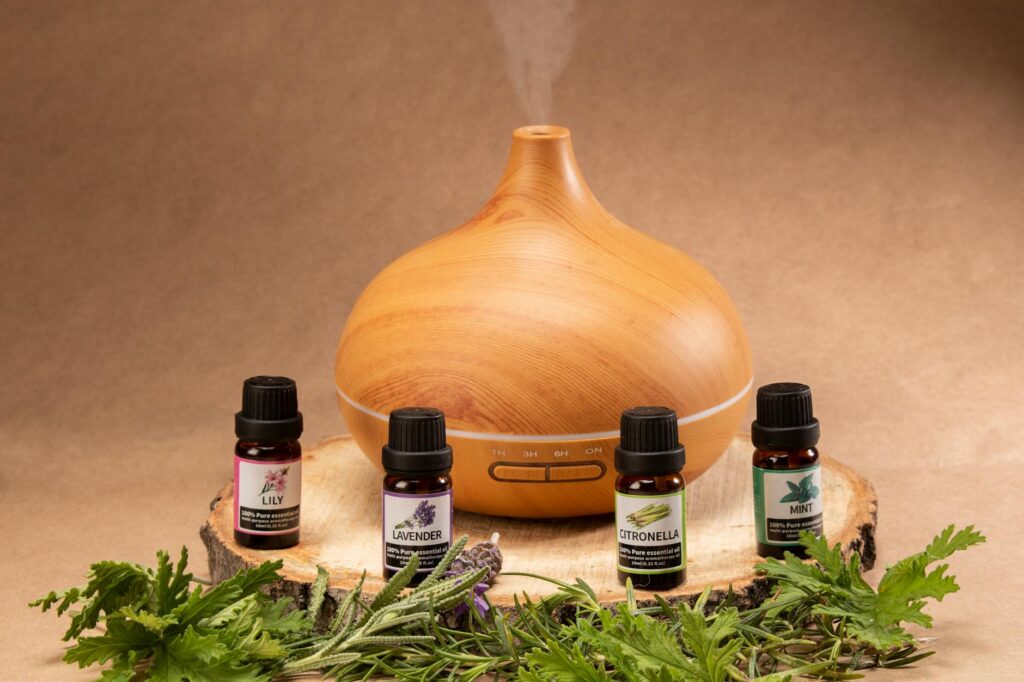
Best Ways to Use Aromatherapy Blends for Sleep Enhancement
Introduction
In our fast-paced modern world, the quest for a good night’s sleep has become increasingly challenging. Many individuals are turning to natural remedies to aid their rest, and aromatherapy has emerged as a popular option. This holistic practice harnesses the power of essential oils and their unique properties to create blends specifically designed to promote relaxation and enhance sleep quality. This article explores the best ways to use aromatherapy blends for sleep enhancement, providing insights into their characteristics, benefits, and applications.
What Is Aromatherapy Blends for Sleep Enhancement?
Aromatherapy involves the use of essential oils—highly concentrated plant extracts that retain the natural scent and therapeutic properties of their source. When blended specifically for sleep enhancement, these oils can work synergistically to create a calming atmosphere conducive to relaxation and rest. Commonly used oils in these blends include lavender, chamomile, bergamot, and cedarwood, each contributing unique qualities that support sleep.
Composition of Sleep Blends
Aromatherapy blends for sleep typically incorporate a combination of essential oils, carrier oils, and sometimes additional ingredients, such as herbal extracts. The goal is to create a balanced formulation that maximizes the benefits while minimizing any potential sensitivities.
Key Benefits and Properties
The benefits of using aromatherapy blends for sleep enhancement are multifaceted:
- Promotes Relaxation: Many essential oils possess calming properties that can help ease tension and anxiety, making it easier to transition into sleep.
- Improves Sleep Quality: Certain oils have been shown to increase the duration of deep sleep, leading to a more restorative rest.
- Enhances Mood: Aromatherapy can uplift mood and alleviate stress, creating a more peaceful environment for sleep.
- Supports Respiratory Health: Some essential oils can aid in clear breathing, which is beneficial for uninterrupted sleep.
- Diffusion: Using an essential oil diffuser is one of the most common methods. By dispersing the blend into the air, it creates a fragrant atmosphere that promotes relaxation.
- Topical Application: Diluting essential oils in a carrier oil allows for safe application on pulse points, such as wrists or temples.
- Bathing: Incorporating sleep-enhancing blends into a warm bath can create a soothing experience, perfect for unwinding before bedtime.
- Pillow Sprays: Spraying a diluted blend directly onto pillows or bedding can provide a calming scent that encourages sleep.
- Dilution: Always dilute essential oils before topical application to reduce the risk of skin irritation.
- Sensitivity: Conduct a patch test to check for allergic reactions before using a new essential oil.
- Pregnancy and Nursing: Certain essential oils are not recommended during pregnancy or breastfeeding; consult a knowledgeable source for guidance.
- Medical Conditions: Individuals with specific health conditions or those taking medication should consult a healthcare professional before using essential oils.
- Children and Pets: Some essential oils are not suitable for young children or pets; research appropriate oils and consult experts when necessary.
- Cool, Dark Place: Store oils in a cool, dark place to prevent degradation from heat and light.
- Tight Seals: Ensure bottles are tightly sealed to prevent evaporation and contamination.
- Shelf Life: Essential oils typically last from 1 to 3 years, depending on the oil. Citrus oils tend to have a shorter shelf life, while oils like sandalwood can last longer.
Notable Essential Oils for Sleep
1. Lavender: Renowned for its calming effects, lavender oil is often considered a cornerstone in sleep blends.
2. Bergamot: This citrus oil has a unique ability to reduce anxiety and promote a sense of calm.
3. Chamomile: Known for its soothing properties, chamomile can help relax the mind and body.
4. Cedarwood: Often used for its grounding effects, cedarwood can foster a sense of comfort and safety.
Common Uses
Aromatherapy blends for sleep can be utilized in various ways to suit individual preferences and lifestyles:
Aromatherapy Applications
1. Diffusers
Using an electric or candle diffuser, add a few drops of your chosen sleep blend and let the aroma fill your room. This method is particularly effective for creating a serene environment as you wind down for the evening.
2. Topical Application
To apply topically, mix essential oils with a carrier oil such as coconut or jojoba oil. A typical dilution ratio is 2-3% essential oil to carrier oil, which translates to about 10-15 drops of essential oil per ounce of carrier oil. Apply the mixture to pulse points or massage it into the neck and shoulders.
3. Bath Soaks
Add several drops of the sleep blend to a warm bath, along with Epsom salts or bath oils for an enhanced experience. The warmth of the water helps to open pores and facilitates absorption of the essential oils.
4. Pillow and Linen Sprays
Combine distilled water and essential oils to create a calming pillow spray. A simple recipe includes 1 cup of water and 10-15 drops of essential oil blend, shaken well before each use. Spray lightly onto pillows and linens before bedtime.
5. Inhalation
For a quick calming effect, place a few drops of essential oil on a tissue or cotton ball and inhale deeply. This method can be particularly useful during stressful moments throughout the day.
Safety Considerations
While aromatherapy can be a beneficial tool for sleep enhancement, it is essential to consider safety:
Storage and Shelf Life
Proper storage is crucial for maintaining the integrity of essential oils:
Frequently Asked Questions
1. How long before bedtime should I use aromatherapy for sleep?
It is generally recommended to start using aromatherapy blends about 30 minutes to an hour before bedtime to allow the calming effects to take hold.
2. Can I mix different essential oils for a custom sleep blend?
Yes, blending different essential oils can create a personalized formula that targets your specific preferences and needs. Experiment with combinations to find what works best for you.
3. Are there any essential oils I should avoid for sleep?
While many essential oils promote relaxation, stimulating oils like peppermint or citrus oils may be better suited for daytime use.
4. How can I incorporate aromatherapy into my sleep routine?
Consider establishing a nighttime ritual that includes aromatherapy, such as a warm bath with essential oils, diffusing a calming blend, or applying a sleep-enhancing lotion before bed.
5. Can fragrance oils be used instead of essential oils?
While fragrance oils can provide pleasant scents, they do not possess the therapeutic properties of essential oils and are not recommended for aromatherapy purposes.
Conclusion
Aromatherapy blends for sleep enhancement offer a natural, holistic approach to improving sleep quality. By exploring various applications and understanding the benefits of specific essential oils, individuals can create a serene environment that supports restful sleep. As with any natural remedy, it is essential to approach aromatherapy with knowledge and care, ensuring safe and effective use tailored to personal needs. With thoughtful application, aromatherapy can become a valuable ally in the pursuit of restorative sleep.