
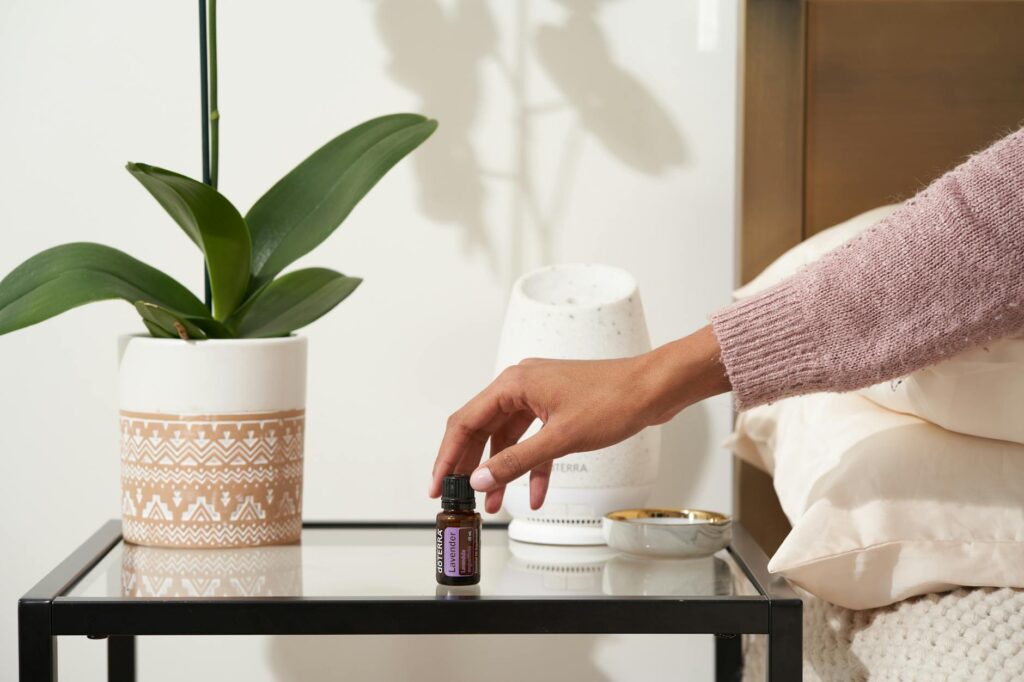
Best Ways to Use Aromatherapy Blends for Sleep Quality Improvement
Introduction
In an increasingly busy world, the quest for restful sleep is a common challenge faced by many. Aromatherapy, a practice that harnesses the therapeutic properties of essential oils, has gained popularity as a natural approach to improve sleep quality. This article explores various aspects of using aromatherapy blends specifically aimed at enhancing sleep, offering insights into their benefits, common applications, and safety considerations.
What Is Aromatherapy Blends for Sleep Quality Improvement?
Aromatherapy blends for sleep quality improvement consist of carefully selected essential oils that are known for their calming and relaxing properties. These blends can be used in various ways to promote better sleep, help alleviate stress, and create a tranquil environment. Common essential oils utilized in these blends include lavender, chamomile, bergamot, and cedarwood, each contributing its unique scent and therapeutic qualities.
Key Benefits and Properties
The benefits of using aromatherapy blends for sleep extend beyond merely creating a pleasant scent. Some of the key properties include:
- Relaxation: Many essential oils have natural calming effects that reduce anxiety and stress, making it easier for individuals to unwind before bedtime.
- Mood Enhancement: Certain oils can uplift mood and promote a sense of well-being, which can be particularly helpful in alleviating insomnia related to emotional stress.
- Sleep Induction: Specific scents are known to encourage drowsiness and improve the quality of sleep, leading to a more restorative rest.
- Sleep Environment: The use of aromatherapy can create a serene atmosphere conducive to sleep, enhancing overall sleep hygiene.
- Diffusion: Using a diffuser to disperse essential oil blends into the air is one of the most common methods. The steady release of aromatic compounds fills the space, contributing to a calming atmosphere.
- Topical Application: Diluting essential oils with a carrier oil and applying them to pulse points—such as wrists, neck, or temples—can enhance relaxation through skin absorption and olfactory stimulation.
- Bath Soaks: Adding a few drops of a sleep-promoting blend to a warm bath can create a soothing experience, allowing for deep relaxation before sleep.
- Pillow Sprays: Creating a homemade pillow spray with sleep-enhancing essential oils can help set the stage for a restful night. Spraying the blend lightly on pillows and bedding can promote a calming aroma throughout the night.
- Dilution: Always dilute essential oils with a carrier oil before applying them to the skin to prevent irritation.
- Quality of Oils: Ensure that you use high-quality, pure essential oils. Synthetic fragrances may not provide the same benefits and can sometimes cause adverse reactions.
- Allergies and Sensitivities: Be aware of any allergies or sensitivities to specific essential oils. Always conduct a patch test before widespread application.
- Pregnancy and Medical Conditions: Consult with a qualified professional if you are pregnant, nursing, or have underlying health conditions before using essential oils.
- Children and Pets: Some essential oils can be harmful to children and pets. It is essential to research oils that are safe for use around them.
- Citrus Oils: Typically last 1-2 years.
- Floral Oils: Usually maintain effectiveness for 2-3 years.
- Woodsy and Resinous Oils: Can last up to 4-5 years when stored correctly.
Common Uses
Aromatherapy blends can be utilized in various ways to enhance sleep quality:
Aromatherapy Applications
1. Diffusion
To create a serene environment conducive to sleep, consider using a diffuser. Adding a few drops of a calming blend like lavender or chamomile to water in a diffuser will disperse the aroma throughout the room. Aim to diffuse the blend about 30 minutes before bedtime to allow the calming properties to take effect.
2. Topical Application
When opting for topical use, it is essential to dilute essential oils with a carrier oil (such as jojoba, coconut, or almond oil). A typical dilution ratio is about 2-3 drops of essential oil per teaspoon of carrier oil. Apply the blend to pulse points or massage it onto areas of tension, such as the neck or shoulders.
3. Bath Soaks
Creating a tranquil bath experience can be achieved by mixing 5-10 drops of a sleep-enhancing essential oil blend into a warm bath. The warmth of the water helps to open pores, allowing the oils to be absorbed more effectively. This practice not only relaxes the body but also prepares the mind for sleep.
4. Pillow Sprays
To create a calming pillow spray, combine distilled water with a few drops of your chosen essential oil blend in a small spray bottle. Shake well before use and lightly mist your pillow and bedding about 10 minutes before bedtime. This practice can help envelop you in soothing scents as you drift off to sleep.
5. Sleep Masks and Aromatherapy Bags
For an innovative approach, consider using sleep masks infused with essential oils or small sachets filled with dried herbs and essential oil blends. Placing these items near your pillow or wearing an aromatherapy sleep mask can provide a gentle release of calming scents throughout the night.
Safety Considerations
While aromatherapy can offer numerous benefits, it is essential to approach its use with caution. Some safety considerations include:
Storage and Shelf Life
Proper storage of essential oils is crucial for maintaining their potency and effectiveness. Store essential oils in a cool, dark place in tightly sealed containers, preferably in glass bottles. The shelf life of essential oils can vary:
Using oils beyond their recommended shelf life may result in diminished quality and effectiveness.
Frequently Asked Questions
1. How long before bed should I start using aromatherapy for sleep?
It is generally recommended to start using aromatherapy blends about 30 to 60 minutes before bedtime to allow the calming effects to take hold.
2. Can I mix different essential oils for a custom sleep blend?
Yes, combining different essential oils can create a personalized blend that suits your preferences. However, ensure that the oils you choose are known for their calming and relaxing properties.
3. Are there specific essential oils that work better for sleep?
Common essential oils known for promoting sleep include lavender, chamomile, bergamot, cedarwood, and ylang-ylang. Each person may respond differently, so it may be beneficial to experiment with various oils to find what works best for you.
4. Can aromatherapy replace traditional sleep aids?
Aromatherapy can be a complementary approach to enhancing sleep quality, but it should not be viewed as a replacement for medical treatments or sleep aids. It is advisable to consult with a healthcare professional regarding sleep issues.
5. How often should I use aromatherapy for sleep?
Using aromatherapy blends nightly can be beneficial for establishing a relaxing bedtime routine. However, individual preferences may vary, so it is essential to adjust usage based on personal comfort and response.
Conclusion
Incorporating aromatherapy blends into your nightly routine can be a serene and enjoyable way to enhance sleep quality. With their diverse benefits and the ability to create personalized blends, essential oils can help cultivate a calming atmosphere that promotes relaxation. By understanding their applications, safety considerations, and proper storage, individuals can make informed choices that support their quest for restful sleep. As you explore the world of aromatherapy, remember to listen to your body and find the blends that resonate with you, ensuring a peaceful night’s rest.