
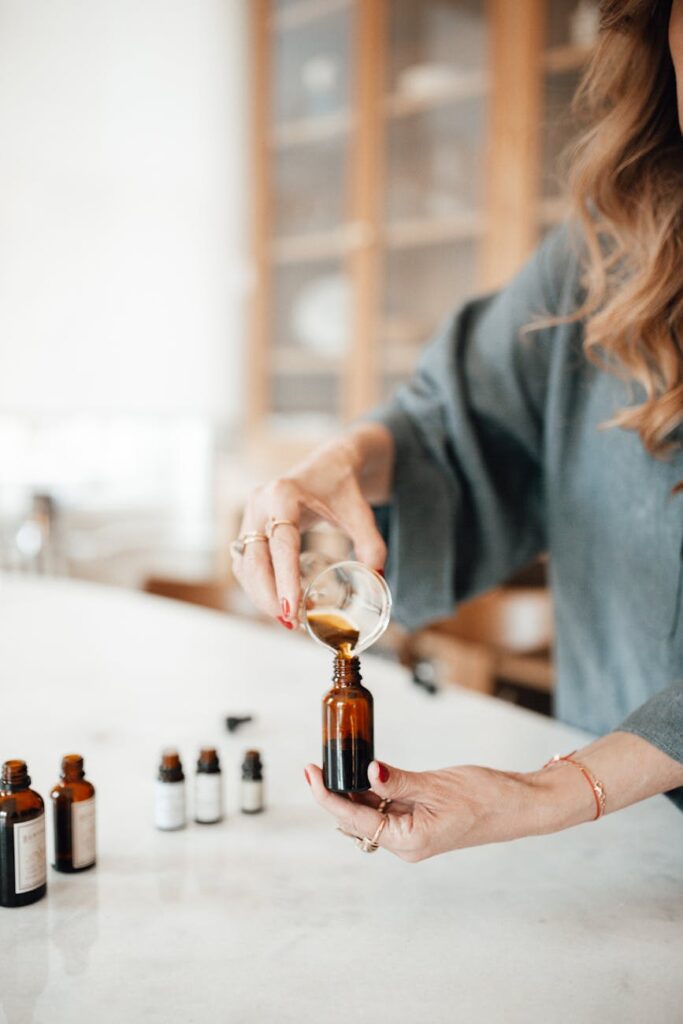
Best Ways to Use Aromatherapy Blends for Sleep
Introduction
In an age where stress and anxiety often disrupt our peaceful slumber, many individuals are turning to natural remedies to promote relaxation and enhance sleep quality. Among these remedies, aromatherapy has gained considerable attention for its potential benefits. Aromatherapy blends for sleep utilize the therapeutic properties of essential oils to create a calming atmosphere conducive to rest. This article delves into the nuances of aromatherapy for sleep, exploring its benefits, common applications, and best practices for usage.
What Is Aromatherapy Blends for Sleep?
Aromatherapy is the practice of using essential oils extracted from plants to promote physical and emotional well-being. When blended specifically for sleep, these oils are chosen for their calming, sedative, and soothing properties. Common essential oils used in sleep blends include lavender, chamomile, bergamot, and cedarwood, among others. Each oil has unique characteristics that contribute to a relaxing atmosphere, making them ideal for bedtime use.
Aromatherapy blends for sleep can be used in various forms, such as diffusers, massage oils, or bath additives, allowing users to choose the method that best suits their preferences and lifestyle.
Key Benefits and Properties
The benefits of using aromatherapy for sleep are manifold, drawing from both traditional practices and modern research. Some key advantages include:
1. Promotes Relaxation: Essential oils like lavender and chamomile have calming effects that can help reduce anxiety and tension, making it easier to fall asleep.
2. Enhances Sleep Quality: Studies suggest that certain essential oils may improve sleep quality by increasing the duration of deep sleep and reducing nighttime awakenings.
3. Supports a Sleep-Inducing Environment: The sensory experience of pleasant scents can create a tranquil ambiance, signaling the body that it’s time to unwind.
4. Holistic Approach: Aromatherapy addresses both the physical and emotional aspects of sleep, offering a well-rounded approach to improving sleep hygiene.
5. Non-Invasive: Unlike many pharmaceutical solutions, aromatherapy blends are generally considered a non-invasive alternative for promoting sleep, appealing to those seeking natural remedies.
Common Uses
Aromatherapy blends can be employed in various ways to support sleep. Here are some common methods:
1. Diffusion
Using a diffuser is one of the most popular methods for dispersing essential oils into the air. This method allows the aroma to fill the room, creating a soothing environment. Simply add a few drops of your chosen blend to the diffuser, along with water, and let it work its magic.
2. Topical Application
Diluting essential oils in a carrier oil (such as jojoba or coconut oil) can create a soothing massage oil. Applying this blend to pulse points like the wrists, neck, or soles of the feet can enhance relaxation.
3. Bath Soaks
A warm bath infused with essential oils can be a wonderful pre-sleep ritual. Add a few drops of the sleep blend to bath water, preferably mixed with a neutral carrier like milk or Epsom salts to promote even distribution.
4. Pillow Sprays
Creating a pillow spray by mixing essential oils with water in a spray bottle can provide a quick and easy way to enhance your sleep environment. Lightly mist your pillow and bedding before turning in for the night.
5. Sleep Masks or Sachets
Adding dried herbs and essential oils to sleep masks or sachets can create a calming effect. Place a sachet under your pillow or inside your sleep mask for a subtle release of fragrance throughout the night.
Aromatherapy Applications
Choosing the right application for your aromatherapy blend can significantly impact its effectiveness. Here are some recommended applications:
1. Bedtime Routine
Incorporate your chosen aromatherapy blend into your nightly routine. This could include diffusing oils while you read, meditate, or perform other calming activities before sleep.
2. Yoga and Meditation
Using aromatherapy during yoga or meditation can enhance relaxation and focus. Choose a blend that resonates with your personal preferences and diffuse it during your practice.
3. Stress Relief Throughout the Day
To prepare your body for a restful night’s sleep, consider using your sleep blend during the day. This can help create a consistent association between the scent and relaxation.
4. Traveling
Travel can disrupt sleep patterns. Carrying a portable diffuser or a travel-sized pillow spray can provide comfort and familiarity in new environments.
Safety Considerations
While aromatherapy is generally safe for most individuals, certain precautions should be taken:
1. Patch Test: Before applying essential oils to the skin, conduct a patch test to check for any allergic reactions.
2. Dilution: Essential oils are highly concentrated; always dilute them in a carrier oil before topical application to minimize the risk of skin irritation.
3. Pregnancy and Nursing: Pregnant or nursing individuals should consult a healthcare professional before using essential oils, as some oils may not be safe during these periods.
4. Children and Pets: Exercise caution when using essential oils around children and pets. Some oils may be too potent for young ones or harmful to animals.
5. Quality of Oils: Use high-quality, pure essential oils from reputable sources to ensure safety and effectiveness. Synthetic fragrances may not provide the same benefits and could contain harmful chemicals.
Storage and Shelf Life
Proper storage of essential oils is crucial in maintaining their potency and effectiveness. Here are some guidelines:
1. Cool, Dark Place: Store essential oils in a cool, dark location away from direct sunlight and heat, which can degrade the oils.
2. Airtight Containers: Keep oils in airtight glass bottles or containers to prevent oxidation and evaporation.
3. Labeling: Clearly label your blends with the contents and date of creation to monitor freshness.
4. Shelf Life: While some essential oils can last for several years, others may have shorter shelf lives. Typically, citrus oils have a shorter shelf life (1-2 years), while oils like patchouli and sandalwood can last for several years.
Frequently Asked Questions
1. Which essential oils are best for sleep?
Lavender, chamomile, bergamot, cedarwood, and ylang-ylang are among the most popular essential oils known for their calming properties.
2. How long before bed should I use aromatherapy?
Using aromatherapy about 30 minutes to an hour before bedtime can be effective, allowing the scents to create a calming environment.
3. Can I mix different essential oils for sleep?
Yes, blending different essential oils can create a personalized aroma. However, it’s advisable to research the properties of the oils to ensure they complement each other.
4. Is it safe to use essential oils in a diffuser overnight?
Generally, it is safe to use a diffuser overnight, but ensure that it has an automatic shut-off feature to prevent overheating.
5. What should I do if I have an allergic reaction to an essential oil?
If you experience any adverse reactions, discontinue use immediately and consult a healthcare professional if necessary.
Conclusion
Aromatherapy blends for sleep offer a natural and holistic approach to enhancing relaxation and promoting restful slumber. Through various applications and mindful practices, individuals can tailor their aromatherapy experience to suit their specific needs. By understanding the properties of essential oils, potential benefits, and safety considerations, users can effectively incorporate aromatherapy into their nightly routines for improved sleep quality. Embracing this ancient practice can pave the way for a more restful, rejuvenating night’s sleep.