
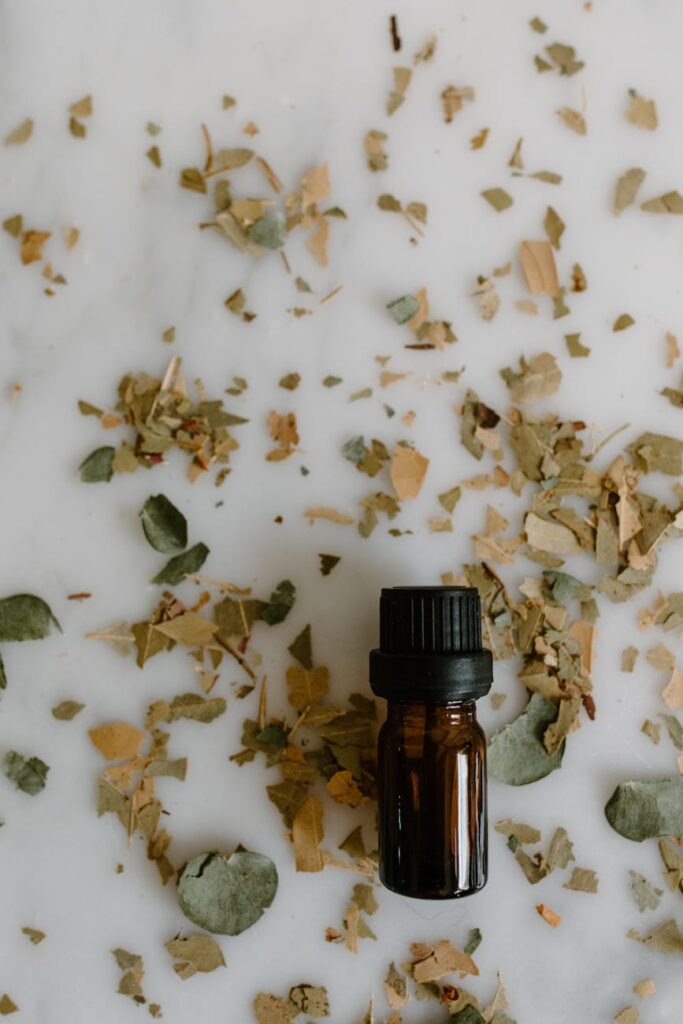
Best Ways to Use Baobab Oil
Introduction
Baobab oil, extracted from the seeds of the baobab tree (Adansonia digitata), has gained prominence in the realm of essential oils and natural skincare products. Known for its rich nutrient profile and versatility, this oil is celebrated for its moisturizing properties and potential benefits for skin and hair. In this article, we will explore the various aspects of baobab oil, including its benefits, common uses, and applications in aromatherapy.
What Is Baobab Oil?
Baobab oil is derived from the seeds of the baobab tree, which is native to Africa and is often referred to as the “Tree of Life.” The oil is cold-pressed to retain its nutritional integrity, resulting in a light, non-greasy oil that is rich in essential fatty acids, antioxidants, and vitamins. Its unique composition makes it particularly desirable in cosmetic formulations and wellness practices.
The baobab tree can live for thousands of years and has been a source of food, shelter, and medicine for many cultures. The oil extracted from its seeds has been used traditionally for centuries, and modern interest in its properties has led to a broader understanding of its potential applications.
Key Benefits and Properties
Baobab oil boasts a range of beneficial properties that make it an appealing choice for skincare and wellness applications:
1. Rich in Nutrients
Baobab oil is packed with essential fatty acids such as omega-3, omega-6, and omega-9, which are crucial for maintaining healthy skin and hair. It also contains vitamins A, D, E, and K, contributing to its nourishing qualities.
2. Moisturizing
The oil is known for its exceptional moisturizing properties. Its lightweight texture allows it to be easily absorbed into the skin, providing hydration without leaving a greasy residue. This makes it suitable for various skin types, including oily and combination skin.
3. Antioxidant Properties
Baobab oil is rich in antioxidants, which help combat oxidative stress caused by free radicals. This can contribute to healthier-looking skin and may help reduce the visible signs of aging.
4. Anti-Inflammatory Effects
While more research is needed, some studies suggest that baobab oil may possess anti-inflammatory properties, which could be beneficial for conditions such as eczema or psoriasis.
5. Non-Comedogenic
Due to its lightweight nature, baobab oil is considered non-comedogenic, meaning it is unlikely to clog pores. This is an essential quality for those with acne-prone skin.
Common Uses
Baobab oil can be utilized in various ways across different domains, including:
1. Skincare
- Moisturizer: Apply baobab oil directly onto the skin as a moisturizer to hydrate and nourish.
- Serum: Use it as a facial serum by combining it with essential oils or other carrier oils for enhanced effects.
- Massage Oil: Its smooth texture makes baobab oil an excellent choice for massage applications.
- Conditioner: Apply baobab oil to hair as a leave-in conditioner to enhance shine and manageability.
- Scalp Treatment: Massage a few drops into the scalp to nourish and promote healthy hair growth.
2. Haircare
3. Cooking
While primarily known for its cosmetic applications, baobab oil can also be used in culinary endeavors. It has a mild, nutty flavor and can be drizzled over salads or used as a dressing.
Aromatherapy Applications
In the world of aromatherapy, baobab oil can complement other essential oils and enhance the overall experience. While it may not be the primary oil used for aromatic properties, it serves as an excellent carrier oil due to its skin-nourishing qualities. Here are some ways to incorporate it into aromatherapy:
1. Blending with Essential Oils
Baobab oil can be blended with various essential oils to enhance their effectiveness. For instance, combining baobab oil with lavender essential oil can create a soothing blend for relaxation.
2. Diffusion
Though baobab oil is not typically used in diffusers, it can be added to a carrier oil mixture that is suitable for diffusion. This can create a fragrant atmosphere while also providing skin benefits during topical application.
3. Bathing
Adding a few drops of baobab oil to a warm bath can enhance the bathing experience. It provides skin nourishment and can contribute to relaxation.
Safety Considerations
While baobab oil is generally considered safe for topical use, it is essential to take certain precautions:
1. Patch Test
Before using baobab oil on a larger area of skin, perform a patch test on a small area to check for any allergic reactions or sensitivities.
2. Consult a Professional
If you are pregnant, nursing, or have specific skin conditions, consult a healthcare professional before using baobab oil.
3. Quality Matters
Choose high-quality, cold-pressed baobab oil to ensure you are getting the full range of its beneficial properties. Look for oils that are organic and free from additives.
Storage and Shelf Life
Proper storage of baobab oil ensures its longevity and maintains its beneficial properties:
1. Storage Conditions
Store baobab oil in a cool, dark place, away from direct sunlight and heat sources. This helps prevent the oil from becoming rancid and preserves its quality.
2. Container Type
Use dark glass containers for storage, as they provide protection from light and help maintain the oil’s integrity.
3. Shelf Life
When stored correctly, baobab oil can last for up to two years. However, always check for signs of spoilage such as an off smell or changes in texture before use.
Frequently Asked Questions
1. Can baobab oil be used on all skin types?
Yes, baobab oil is suitable for all skin types, including oily and sensitive skin. Its non-comedogenic nature makes it a good choice for acne-prone skin.
2. Is baobab oil safe for children?
Baobab oil is generally considered safe for topical use on children, but it is advisable to perform a patch test and consult a healthcare professional if there are any concerns.
3. Can baobab oil be ingested?
While baobab oil can be used in cooking, it is essential to ensure that the oil is food-grade and of high quality. Always check with a healthcare professional if you have any doubts.
4. What is the difference between baobab oil and baobab powder?
Baobab oil is extracted from the seeds of the baobab tree, while baobab powder is made from the fruit’s pulp. Both have nutritional benefits but are used differently—oil for topical applications and powder for dietary purposes.
5. How often can I use baobab oil?
Baobab oil can be used daily as part of your skincare or haircare routine. Adjust the frequency based on your skin’s needs and response.
In conclusion, baobab oil is a versatile and nutrient-rich oil that can enhance skincare, haircare, and even culinary practices. With its numerous benefits and applications, it is a valuable addition to anyone’s wellness toolkit. As with any natural product, understanding its uses, benefits, and safety considerations is essential for optimal results.