
Best Ways to Use Castor Oil
Introduction
Castor oil, derived from the seeds of the Ricinus communis plant, has been utilized for centuries in various cultures for its numerous benefits. Known for its versatile applications, castor oil is particularly prevalent in beauty, skincare, and wellness practices. This article explores the properties, benefits, and various ways to use castor oil effectively.
What Is Castor Oil?
Castor oil is a pale yellow liquid obtained from cold-pressing the seeds of the castor bean plant. The oil is rich in ricinoleic acid, a unique fatty acid that contributes to many of its beneficial properties. Castor oil has a thick, viscous consistency, making it an excellent emulsifier and carrier oil in many formulations.
Key Benefits and Properties
Castor oil is celebrated for its array of beneficial properties:
1. Moisturizing: Its high fatty acid content allows it to deeply penetrate the skin, providing hydration and promoting a soft, smooth texture.
2. Anti-inflammatory: Ricinoleic acid possesses anti-inflammatory properties, making castor oil useful for soothing irritated skin and reducing swelling.
3. Antimicrobial: Preliminary studies suggest that castor oil may exhibit antimicrobial effects, which can help in protecting wounds and maintaining skin integrity.
4. Laxative: Traditionally, castor oil has been used as a natural laxative due to its ability to stimulate bowel movements.
5. Hair Growth Stimulant: Many anecdotal reports support the use of castor oil for promoting hair growth and improving overall hair health.
Common Uses
Castor oil can be utilized in various ways:
1. Skin Care
Due to its moisturizing properties, castor oil is often used in skincare products. It can be applied directly to the skin or mixed with other carrier oils or essential oils. It is particularly beneficial for dry or sensitive skin.
2. Hair Care
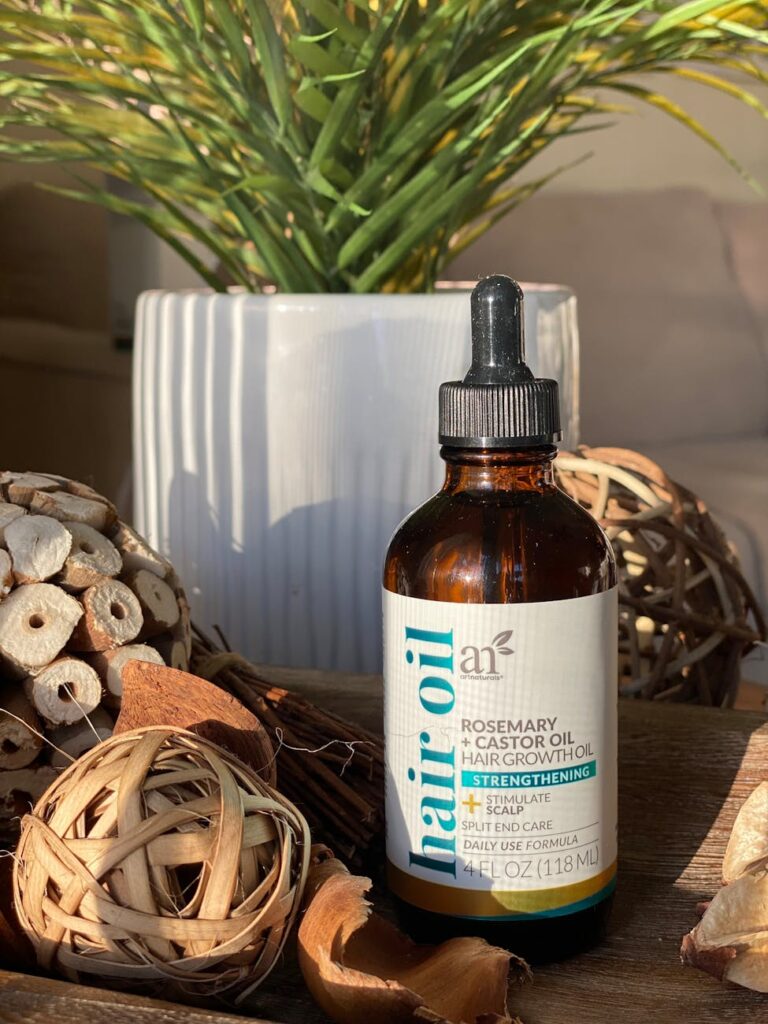
Castor oil is frequently used as a hair treatment. Its nourishing properties can help to moisturize the scalp, reduce dandruff, and promote healthy hair growth. It can be massaged directly onto the scalp or added to shampoos and conditioners.
3. Natural Laxative
Historically, castor oil has been used to relieve constipation. It is important to use it cautiously and consult a healthcare professional for appropriate dosages.
4. Massage Oil
When diluted with a carrier oil, castor oil can serve as an effective massage oil. Its soothing properties may help reduce muscle tension and promote relaxation.
5. Lip Care
Due to its moisturizing properties, castor oil can be used as an ingredient in lip balms or applied directly to the lips to prevent dryness.
Aromatherapy Applications
While castor oil is not typically used as an essential oil in aromatherapy, it can play a supportive role in various formulations. Here are some ways it can be integrated:
1. Carrier Oil
Castor oil is an excellent carrier oil for diluting essential oils. When blended with essential oils, it can enhance absorption and mitigate potential skin irritations.
2. Aromatic Massage
Incorporating castor oil into massage oils can enhance the therapeutic effects of essential oils. Its rich consistency allows for a longer-lasting glide, making it ideal for deep tissue massage.
3. Bath Soak
Adding castor oil to bath water can create a nourishing soak that moisturizes the skin. Pair it with aromatic essential oils like lavender or eucalyptus for added relaxation benefits.
4. Skin Treatments
Castor oil can be combined with essential oils known for their skin benefits, such as tea tree oil or frankincense, to create personalized skincare treatments.
Safety Considerations
While castor oil is generally safe for topical use, there are some important considerations:
1. Patch Test: Always conduct a patch test before using castor oil to ensure no allergic reactions occur.
2. Pregnancy: Pregnant women should avoid using castor oil as a laxative due to its strong effects, and it is advisable to consult a healthcare provider before use.
3. Ingestion: If consumed, castor oil should be done with caution and awareness of the recommended dosages, as it can lead to adverse effects if taken excessively.
4. Skin Sensitivity: Individuals with sensitive skin may experience irritation. It is advisable to dilute castor oil with a carrier oil before applying it to larger areas of the skin.
Storage and Shelf Life
Proper storage is essential to maintain the quality of castor oil:
1. Container: Store castor oil in a dark glass bottle to protect it from light and air exposure, which can lead to oxidation.
2. Environment: Keep the oil in a cool, dry place, away from direct sunlight and heat sources.
3. Shelf Life: Typically, castor oil has a shelf life of about 1-2 years when stored correctly. Always check for changes in color, odor, or consistency before use.
Frequently Asked Questions
1. Can castor oil be used for all skin types?
While castor oil is generally safe for most skin types, individuals with very oily skin may want to use it sparingly, as its thick consistency can potentially clog pores.
2. How often should I use castor oil for hair growth?
For hair growth, many individuals apply castor oil 1-2 times a week. Consistency is key to observing results.
3. Is castor oil safe for children?
Castor oil should be used cautiously with children. It is advisable to consult a healthcare provider before using it on young children, especially for ingestion.
4. Can castor oil help with acne?
Due to its anti-inflammatory and antimicrobial properties, castor oil may help reduce acne outbreaks. However, individuals should monitor their skin’s response and discontinue use if irritation occurs.
5. Is it safe to ingest castor oil?
Castor oil can be ingested as a laxative, but it should be done under the guidance of a healthcare professional to avoid potential side effects.
Conclusion
Castor oil is a versatile and beneficial oil that can be utilized in various ways, from skincare and haircare to massage and aromatherapy applications. Its unique properties make it a valuable addition to many natural health and beauty routines. As with any natural product, understanding how to use it safely and effectively can enhance its benefits and help you incorporate it into your daily life.