
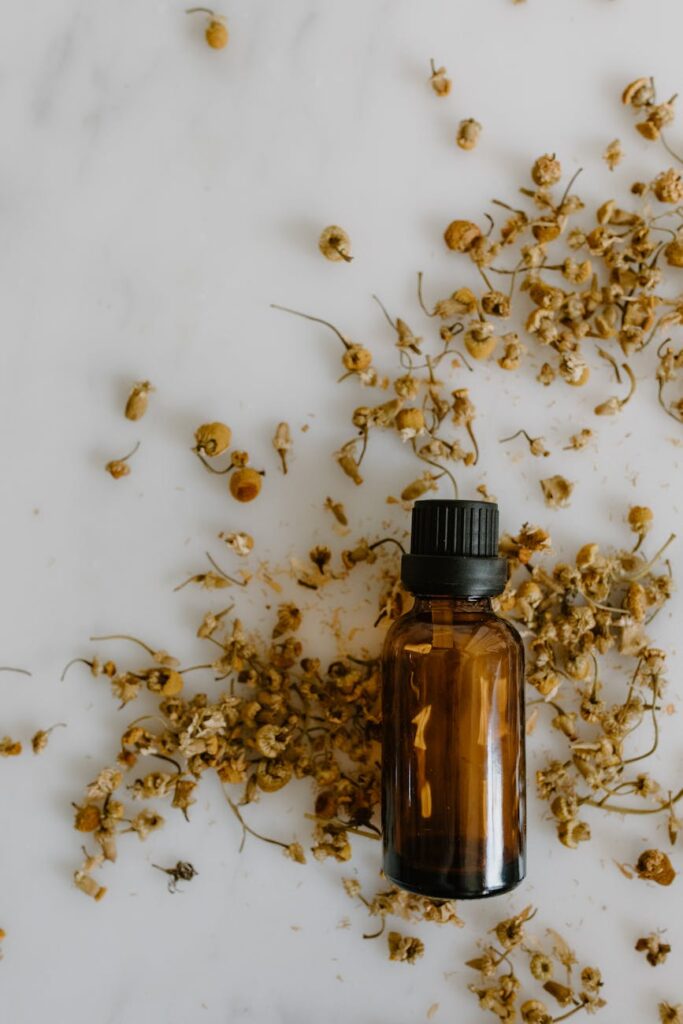
Best Ways to Use Chamomile Oil
Introduction
Chamomile oil, derived from the flowers of the Chamomile plant, is a cherished essential oil widely used in aromatherapy and holistic practices. Known for its calming and soothing properties, chamomile oil has been utilized for centuries in various cultures for its therapeutic benefits. This article explores the nature of chamomile oil, its benefits, common uses, and practical applications, providing a comprehensive resource for those interested in enhancing their well-being through essential oils.
What Is Chamomile Oil?
Chamomile oil is extracted from the flowers of two primary species: German Chamomile (Matricaria chamomilla) and Roman Chamomile (Chamaemelum nobile). The extraction process typically involves steam distillation, which captures the oil’s aromatic compounds while preserving its therapeutic qualities. Chamomile oil has a sweet, herbaceous scent characterized by floral notes, making it a popular choice in both personal care products and aromatherapy.
Types of Chamomile Oil
1. German Chamomile: This variety is known for its deep blue color due to the presence of chamazulene, a compound that contributes to its anti-inflammatory properties. It is often favored for its strong soothing effects.
2. Roman Chamomile: Typically lighter in color and scent, Roman Chamomile is preferred for its gentle calming effects and is frequently used in skincare formulations.
Key Benefits and Properties
Chamomile oil possesses a range of valuable properties that contribute to its popularity. These include:
- Calming and Relaxing: Chamomile oil is renowned for its ability to promote relaxation and reduce anxiety, making it a favored choice for stress relief.
- Anti-Inflammatory: The oil has demonstrated anti-inflammatory properties, which can help soothe irritated skin and alleviate discomfort.
- Antioxidant: Chamomile oil contains antioxidants that may protect the body from oxidative stress and promote overall health.
- Antimicrobial: Some studies suggest that chamomile oil may possess antimicrobial properties, making it useful in various applications, particularly in skincare.
- Dilution: Always dilute chamomile oil with a carrier oil before applying it to the skin to minimize the risk of irritation. A common dilution ratio is 2-3 drops of essential oil per teaspoon of carrier oil.
- Patch Test: Conduct a patch test before using chamomile oil topically. Apply a small diluted amount to a discreet area and wait 24 hours to check for any adverse reactions.
- Pregnancy and Nursing: Consult with a qualified professional before using chamomile oil during pregnancy or while nursing.
- Allergies: Individuals with allergies to plants in the Asteraceae family (e.g., ragweed, marigolds) should exercise caution, as they may also react to chamomile oil.
- Cool, Dark Place: Store chamomile oil in a cool, dark area, away from direct sunlight and heat. This helps protect the oil from degradation.
- Tightly Sealed: Ensure the bottle is tightly sealed to prevent oxidation. Essential oils can lose their potency over time if exposed to air.
- Shelf Life: Chamomile oil typically has a shelf life of 1-3 years, depending on factors like storage conditions and the specific variety of chamomile oil. Always check for any changes in aroma or appearance before use.
Common Uses
Chamomile oil can be integrated into daily routines in several ways. Here are some popular uses:
1. Skincare: Its anti-inflammatory and soothing properties make chamomile oil an excellent addition to skincare routines. It can help calm redness and irritation, making it suitable for sensitive skin.
2. Sleep Aid: Incorporating chamomile oil into bedtime rituals can promote relaxation and improve sleep quality. Diffusing the oil before sleep or adding it to a warm bath can enhance these effects.
3. Stress Relief: Many people use chamomile oil to alleviate stress and anxiety. Inhaling its aroma or applying it topically can create a sense of calm during overwhelming moments.
4. Digestive Support: While not a substitute for medical advice, chamomile is traditionally used to support digestive health. Its oil can be added to diluted blends for topical application to the abdomen.
Aromatherapy Applications
Chamomile oil is a versatile essential oil in aromatherapy. Here are several effective ways to use it:
1. Diffusion
Diffusing chamomile oil in a room can create a serene atmosphere. Add a few drops to a diffuser filled with water and let the calming aroma permeate your space. This method is particularly effective in promoting relaxation during meditation or yoga sessions.
2. Inhalation
For immediate stress relief, inhale chamomile oil directly from the bottle or place a drop on a tissue and breathe in. This quick method can help ground you during stressful moments.
3. Bathing
Adding chamomile oil to a warm bath can enhance relaxation. Mix a few drops with a carrier oil (such as coconut or jojoba) before adding it to the water to prevent the oil from floating on the surface.
4. Massage
Incorporating chamomile oil into massage blends can enhance the soothing effects of the massage. Mix chamomile oil with a carrier oil and use it for a calming massage, focusing on areas of tension.
5. Aromatherapy Rollers
Creating an aromatherapy roller blend with chamomile oil is a convenient way to carry its calming effects with you throughout the day. Combine chamomile oil with a carrier oil in a roller bottle and apply it to pulse points as needed.
Safety Considerations
While chamomile oil is generally safe for most individuals when used correctly, it is important to follow certain precautions:
Storage and Shelf Life
Proper storage is essential to maintain the quality and efficacy of chamomile oil. Follow these guidelines:
Frequently Asked Questions
1. Can I use chamomile oil in cooking?
Chamomile oil is primarily used for aromatherapy and topical applications rather than culinary purposes. It is best to choose culinary-grade chamomile or chamomile teas for ingestion.
2. Is chamomile oil safe for children?
Chamomile oil can be used with children, but it should be diluted properly and used under the guidance of a qualified professional. Always consult a pediatrician before introducing any essential oil to a child’s regimen.
3. Can I mix chamomile oil with other essential oils?
Yes, chamomile oil blends well with various essential oils, including lavender, bergamot, and frankincense. Experimenting with different combinations can enhance the therapeutic effects and create custom blends.
4. How can I tell if my chamomile oil is pure?
To ensure purity, purchase chamomile oil from reputable suppliers who provide information about the oil’s origin and production methods. Look for oils that are labeled as 100% pure and are free from synthetic additives.
5. What are the differences between German and Roman chamomile oil?
While both types have calming properties, German chamomile oil is often considered stronger due to its higher chamazulene content, making it more effective for inflammation. Roman chamomile is gentler and may be preferred for everyday use, especially in skincare.
Conclusion
Chamomile oil is a versatile and valuable essential oil with a rich history and a wide array of applications. Its calming and soothing properties make it a popular choice for those seeking to enhance their well-being through aromatherapy and holistic practices. By understanding its uses and benefits, individuals can effectively incorporate chamomile oil into their daily routines, fostering a sense of calm and balance in their lives. Always remember to prioritize safety and quality when using essential oils, ensuring a positive and enriching experience.