
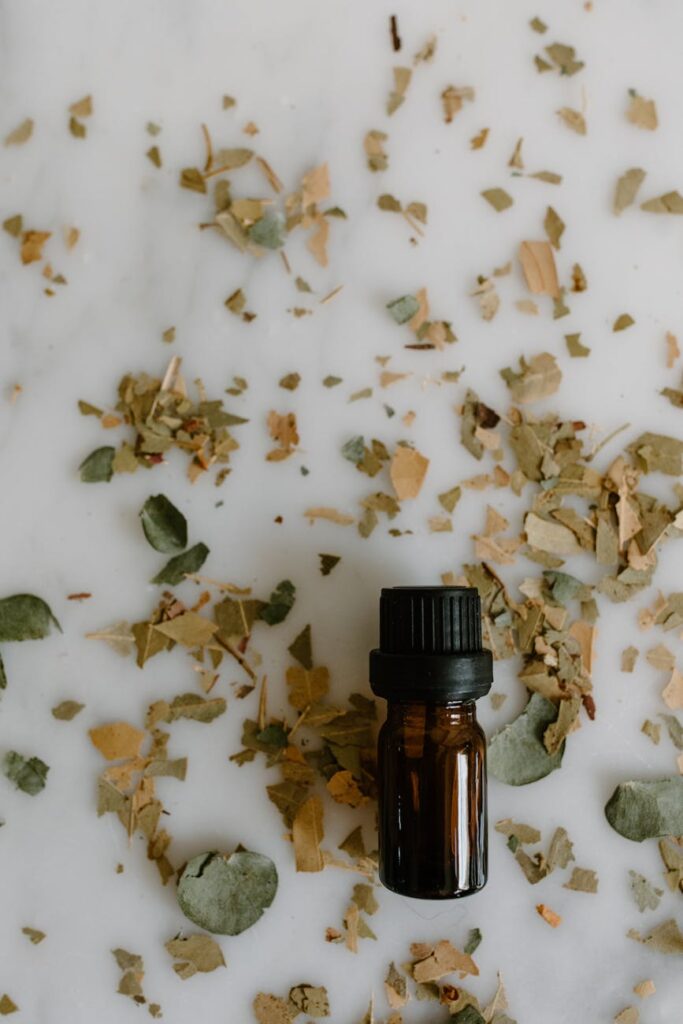
Best Ways to Use Cinnamon Oil
Introduction
Cinnamon oil, derived from the bark or leaves of the Cinnamomum tree, is a popular essential oil known for its warm, spicy aroma and diverse applications. This oil has been cherished for centuries not only for its delightful scent but also for its potential benefits in various practices, including aromatherapy and natural cleaning. This article explores the many facets of cinnamon oil, detailing its properties, common uses, and safety considerations to help you incorporate it into your daily life.
What Is Cinnamon Oil?
Cinnamon oil is extracted through steam distillation from the bark or leaves of the Cinnamomum tree, primarily Cinnamomum verum (true cinnamon) and Cinnamomum cassia (Chinese cinnamon). The oil is characterized by its rich, sweet, and spicy fragrance, which evokes a sense of warmth and comfort. Its chemical composition includes compounds such as cinnamaldehyde, eugenol, and linalool, which contribute to its distinctive aroma and therapeutic properties.
Key Benefits and Properties
Cinnamon oil possesses a range of beneficial properties that make it a valuable addition to both aromatherapy and household practices:
1. Antimicrobial Properties: Research indicates cinnamon oil has antimicrobial effects, making it useful for natural cleaning solutions and air purification.
2. Anti-inflammatory Effects: Cinnamon oil has been attributed with anti-inflammatory properties, which can be beneficial in various applications, though not as a medical treatment.
3. Mood Enhancement: The warm and spicy scent of cinnamon oil is known to evoke feelings of comfort and positivity, which can aid in mood elevation and relaxation.
4. Digestive Support: Historically, cinnamon has been used to support digestive health, and its oil is often included in blends aimed at promoting digestive comfort.
5. Insect Repellent: The scent of cinnamon oil is known to deter certain insects, making it a natural option for repelling pests.
Common Uses
Cinnamon oil is versatile and can be used in a multitude of ways:
1. Diffusion: One of the most common methods to enjoy cinnamon oil is through diffusion. Adding a few drops to a diffuser can fill a room with its warm aroma, creating an inviting atmosphere.
2. Topical Applications: When diluted with a carrier oil, cinnamon oil can be applied to the skin. This is often done in combination with other essential oils for enhancing the overall scent and benefits.
3. Household Cleaning: Due to its antimicrobial properties, cinnamon oil is a popular ingredient in homemade cleaning solutions. It can be added to surface cleaners or used in DIY disinfecting sprays.
4. Culinary Uses: While not commonly used in large quantities, cinnamon oil can enhance certain culinary creations, such as baked goods or beverages, adding a concentrated cinnamon flavor.
5. Insect Repellent Blends: Mixing cinnamon oil with other natural oils, such as citronella or eucalyptus, can create an effective insect repellent.
Aromatherapy Applications
In aromatherapy, cinnamon oil is prized for its warming and uplifting effects. Here are some common applications:
1. Stress Relief: The aroma of cinnamon oil can help reduce feelings of stress and anxiety. It can be blended with calming oils like lavender or chamomile for a soothing effect.
2. Focus and Concentration: The stimulating properties of cinnamon oil may help enhance mental clarity and focus. It can be diffused during study sessions or work tasks.
3. Seasonal Blends: Cinnamon oil is often used in seasonal blends, especially during fall and winter. Its warm scent pairs well with other essential oils like orange or clove for a cozy ambiance.
4. Meditation and Mindfulness: Incorporating cinnamon oil into meditation practices can enhance the sensory experience, aiding in grounding and mindfulness.
Safety Considerations
While cinnamon oil is generally regarded as safe for use, there are important safety considerations to keep in mind:
1. Skin Sensitivity: Cinnamon oil can be irritating to the skin, especially in its undiluted form. Always dilute with a carrier oil before topical application, and conduct a patch test to check for sensitivity.
2. Pregnancy and Nursing: Pregnant or nursing individuals should consult with a qualified professional before using cinnamon oil due to its potency.
3. Allergies: Those with allergies to cinnamon or related substances should avoid using cinnamon oil.
4. Ingestion: Cinnamon oil is highly concentrated and should not be ingested without the guidance of a qualified professional.
5. Storage: Keep cinnamon oil out of reach of children and pets to avoid accidental exposure.
Storage and Shelf Life
To ensure the longevity and efficacy of cinnamon oil, proper storage is essential:
1. Cool, Dark Place: Store cinnamon oil in a cool, dark place away from direct sunlight to prevent degradation.
2. Tight-Sealing Containers: Use dark glass bottles with tight-sealing caps to minimize exposure to air and light.
3. Shelf Life: When stored correctly, cinnamon oil can last up to three years. However, it’s advisable to check for any changes in aroma or consistency before use.
Frequently Asked Questions
Can cinnamon oil be used in cooking?
Yes, cinnamon oil can be used in cooking, but it should be used sparingly due to its concentrated nature. A small drop can enhance baked goods or beverages.
Is cinnamon oil safe for pets?
Cinnamon oil can be irritating to pets, especially cats and dogs. It is best to avoid using it around pets without consulting a veterinarian.
How can I incorporate cinnamon oil into my skincare routine?
When using cinnamon oil in skincare, always dilute it with a carrier oil (such as jojoba or coconut oil) and conduct a patch test to check for sensitivity.
Can cinnamon oil help with cold symptoms?
While cinnamon oil may provide a comforting aroma, it is not a substitute for medical treatment. Always consult a healthcare professional for cold symptoms.
Are there any contraindications for using cinnamon oil?
Individuals with allergies to cinnamon or those who are pregnant or nursing should consult a qualified professional before using cinnamon oil.
Conclusion
Cinnamon oil is a versatile essential oil that can enrich various aspects of daily life, from enhancing your home’s atmosphere to serving as a natural cleaning agent. Its warm, spicy aroma can uplift moods and promote relaxation, while its antimicrobial properties make it a valuable addition to natural cleaning solutions. By understanding its benefits, common uses, and safety considerations, you can effectively incorporate cinnamon oil into your wellness routine and enjoy the myriad of advantages it offers. Always remember to use it responsibly and consult professionals when necessary to ensure a safe and enriching experience.