
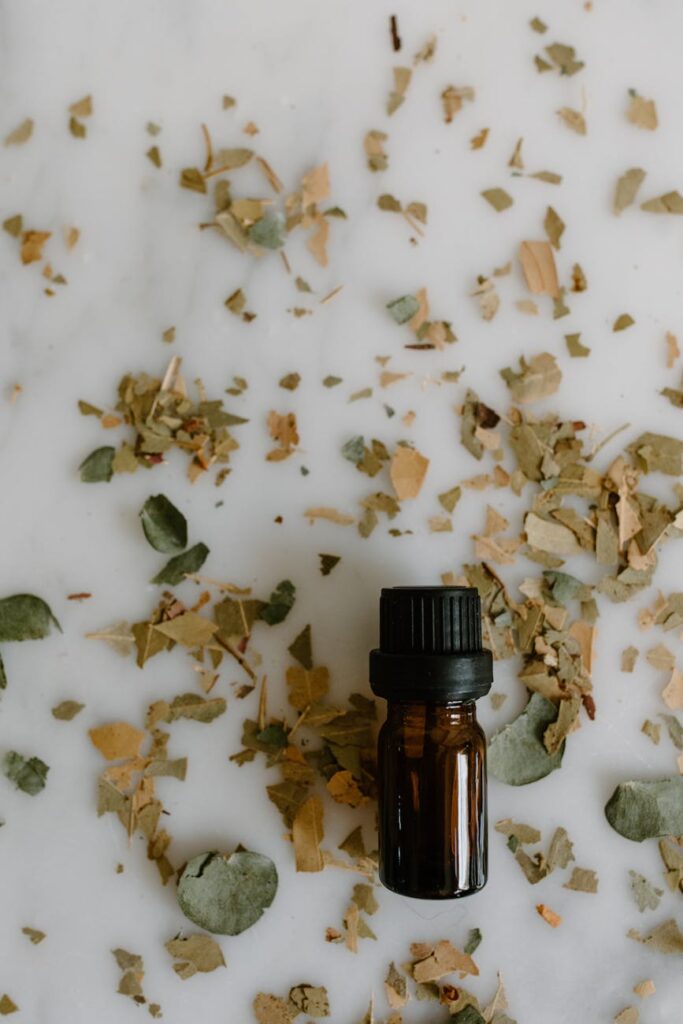
Best Ways to Use Eucalyptus Oil
Introduction
Eucalyptus oil, derived from the leaves of the eucalyptus tree, has been cherished for centuries for its aromatic properties and versatile applications. With its refreshing scent and numerous benefits, eucalyptus oil has found its way into various domains, including aromatherapy, personal care, and household cleaning. This article will explore the essence of eucalyptus oil, its key benefits, common uses, and safety considerations, providing a comprehensive guide for those looking to incorporate this essential oil into their lives.
What Is Eucalyptus Oil?
Eucalyptus oil is a volatile essential oil extracted primarily from the leaves of the Eucalyptus globulus tree, although several other species are also used. The oil is typically obtained through steam distillation, a process that captures the aromatic compounds while preserving their integrity. Eucalyptus oil is recognized for its sharp, invigorating scent, which can range from minty to woody, depending on the species from which it is sourced.
Varieties of Eucalyptus Oil
There are several species of eucalyptus, each producing oil with unique properties and scents. Some of the most commonly used include:
- Eucalyptus globulus: Known as blue gum eucalyptus, it is the most widely used variety, known for its strong respiratory benefits.
- Eucalyptus radiata: Often referred to as narrow-leaved peppermint eucalyptus, it has a sweeter aroma and is milder than E. globulus.
- Eucalyptus citriodora: Also known as lemon eucalyptus, this variety carries a distinct citrus scent and is often used for its insect-repelling properties.
Key Benefits and Properties
Eucalyptus oil is celebrated for its numerous beneficial properties, making it a popular choice in natural remedies and holistic practices. Some of the key benefits include:
1. Respiratory Support: Eucalyptus oil is often associated with respiratory health due to its ability to help clear nasal passages and promote easier breathing.
2. Antimicrobial Properties: Studies have shown that eucalyptus oil possesses antimicrobial characteristics, which can be beneficial for cleaning and sanitizing surfaces.
3. Anti-inflammatory Effects: The oil is also known for its anti-inflammatory properties, which may help soothe sore muscles and joints when applied topically.
4. Refreshing Aroma: The invigorating scent of eucalyptus oil can help uplift the mood and refresh the mind, making it a popular choice in aromatherapy.
5. Insect Repellent: Eucalyptus oil, particularly the lemon variety, is known for its ability to repel insects, offering a natural alternative to chemical repellents.
Common Uses
Eucalyptus oil can be utilized in various ways, each taking advantage of its unique properties. Some common uses include:
1. Diffusion
One of the simplest ways to enjoy eucalyptus oil is through diffusion. By adding a few drops to a diffuser, you can fill a room with its invigorating scent, promoting relaxation and mental clarity.
2. Topical Application
When diluted with a carrier oil, eucalyptus oil can be applied to the skin. This method is often used for its anti-inflammatory benefits, particularly for sore muscles and joint pain. Common carrier oils include coconut oil, jojoba oil, or sweet almond oil.
3. Bath Soak
Adding eucalyptus oil to bathwater can create a rejuvenating experience. The steam from the hot water helps release the oil’s aroma, allowing for a refreshing and relaxing soak.
4. Inhalation
For respiratory support, eucalyptus oil can be inhaled directly or added to a bowl of hot water. Inhaling the steam can help relieve congestion and promote easier breathing.
5. Household Cleaning
Thanks to its antimicrobial properties, eucalyptus oil can be incorporated into homemade cleaning solutions. A few drops added to vinegar or baking soda can enhance the cleaning power and leave a fresh scent.
Aromatherapy Applications
Aromatherapy is a holistic practice that uses essential oils to promote physical and emotional well-being. Eucalyptus oil plays a significant role in this field due to its various applications:
1. Relaxation and Stress Relief
Inhaling eucalyptus oil can help alleviate feelings of stress and anxiety. It is often combined with other calming oils, such as lavender or chamomile, to enhance relaxation.
2. Focus and Clarity
The invigorating scent of eucalyptus oil can also promote mental clarity and focus. It is often used in workspaces or study areas to create an environment conducive to productivity.
3. Respiratory Health
In aromatherapy, eucalyptus oil is frequently employed to support respiratory health. It can be beneficial during cold and flu seasons, as its aroma is believed to help clear the airways.
Safety Considerations
While eucalyptus oil is generally considered safe for use, it is essential to follow certain precautions to avoid adverse reactions:
1. Dilution
Eucalyptus oil should always be diluted with a carrier oil before topical application to prevent skin irritation. A common ratio is 2-3 drops of eucalyptus oil per teaspoon of carrier oil.
2. Avoid Ingestion
Ingesting eucalyptus oil can be harmful and is not recommended unless under the guidance of a qualified healthcare professional.
3. Sensitive Populations
Care should be taken when using eucalyptus oil around children, pregnant or breastfeeding women, and individuals with specific health conditions. Consulting with a healthcare provider is advisable in these cases.
4. Patch Test
Before using eucalyptus oil topically, it is wise to conduct a patch test to check for skin sensitivity. Apply a small amount of diluted oil to an inconspicuous area and observe for any adverse reactions.
Storage and Shelf Life
Proper storage of eucalyptus oil is crucial to maintain its potency and aromatic properties. Here are some guidelines:
1. Storage Conditions
Eucalyptus oil should be stored in a cool, dark place, away from direct sunlight and heat sources. A cabinet or drawer is often suitable.
2. Container
It is best to keep eucalyptus oil in a dark glass bottle, which helps protect it from light degradation. Ensure that the bottle is tightly sealed to prevent oxidation.
3. Shelf Life
When stored correctly, eucalyptus oil can last for several years. However, it is advisable to check for any changes in scent or appearance before use, as essential oils can degrade over time.
Frequently Asked Questions
1. Can eucalyptus oil be used in cooking?
Eucalyptus oil is not typically recommended for culinary use due to its strong flavor and potential toxicity when ingested. Instead, culinary-grade eucalyptus leaves may be used in cooking.
2. Is eucalyptus oil safe for pets?
Eucalyptus oil should be used with caution around pets. While some animals may tolerate it, others may experience adverse reactions. It is best to consult with a veterinarian before using eucalyptus oil in a home with pets.
3. Can eucalyptus oil help with allergies?
Eucalyptus oil is often used to help relieve congestion associated with allergies. However, individual responses can vary, and it should not be considered a substitute for allergy medications.
4. What other essential oils blend well with eucalyptus?
Eucalyptus oil blends well with a variety of essential oils, including peppermint, tea tree, lavender, and lemon. These combinations can enhance both aromatic and therapeutic effects.
5. How can I tell if my eucalyptus oil is pure?
To determine the purity of eucalyptus oil, look for a reputable brand that provides information on sourcing and distillation processes. Additionally, pure eucalyptus oil should have a strong, fresh aroma without synthetic additives.
Conclusion
Eucalyptus oil is a versatile essential oil with a rich history of use. From promoting respiratory health to enhancing mental clarity, its applications are diverse and beneficial. By following safety guidelines and exploring various uses, individuals can harness the power of eucalyptus oil in their daily lives, whether through aromatherapy, personal care, or household cleaning. As with any essential oil, a mindful approach will ensure a rewarding experience with this remarkable botanical extract.