
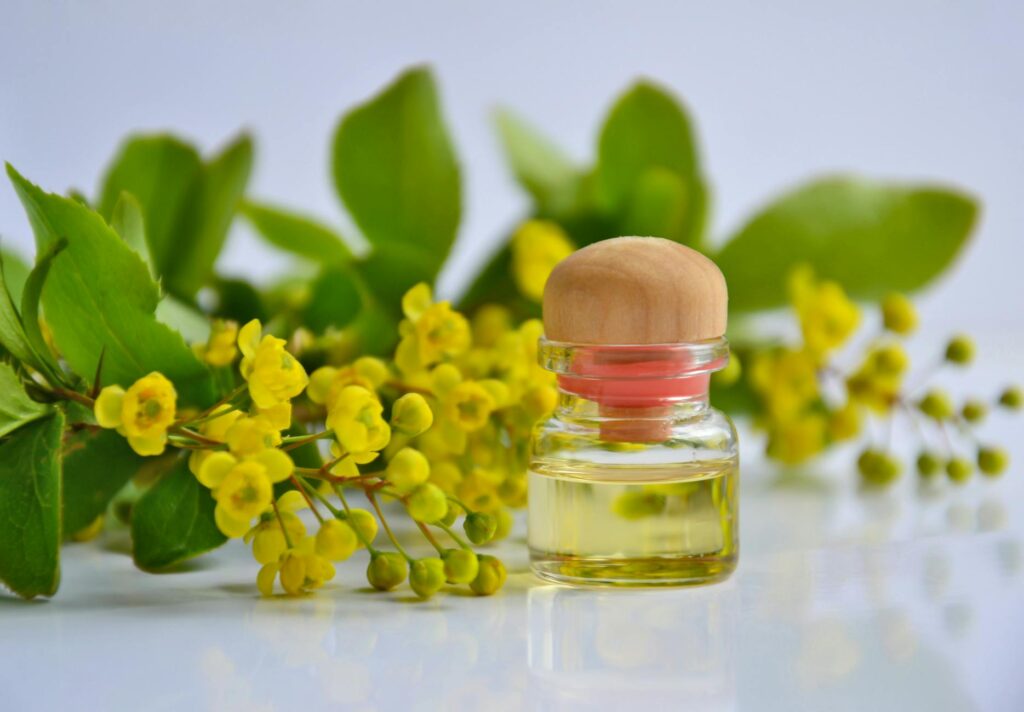
Best Ways to Use Fractionated Coconut Oil
Introduction
Fractionated coconut oil (FCO) is a versatile carrier oil derived from the coconut palm. Known for its light texture and long shelf life, it has gained popularity in various applications, from skincare to aromatherapy. This article aims to explore the characteristics of fractionated coconut oil, its benefits, common uses, and safety considerations.
What Is Fractionated Coconut Oil?
Fractionated coconut oil is produced through a process called fractionation, which involves heating virgin coconut oil and separating its fatty acids. This process removes long-chain fatty acids, resulting in a lightweight oil that remains liquid at room temperature. Unlike regular coconut oil, which solidifies at lower temperatures, fractionated coconut oil maintains its liquid state, making it an ideal choice for a variety of applications.
The primary components of fractionated coconut oil are medium-chain triglycerides (MCTs), particularly caprylic acid and capric acid. These MCTs contribute to the oil’s unique properties, such as rapid absorption by the skin and a non-greasy feel.
Key Benefits and Properties
1. Lightweight and Non-Greasy: Fractionated coconut oil is easily absorbed by the skin, making it suitable for various formulations without leaving a greasy residue.
2. Moisturizing Properties: It helps to hydrate the skin by preventing moisture loss, which can be particularly beneficial for dry or sensitive skin types.
3. Antimicrobial Activity: While not a substitute for medical treatments, some studies have indicated that coconut oil may possess mild antimicrobial properties, making it useful for topical applications.
4. Shelf Stability: FCO has a long shelf life due to its lack of long-chain fatty acids, which are prone to oxidation. This stability makes it a reliable choice for personal care products and aromatherapy blends.
5. Neutral Scent: Unlike virgin coconut oil, which has a distinct coconut aroma, FCO has a neutral scent that allows other essential oils to shine in blends.
Common Uses
Skincare
Fractionated coconut oil is widely used in skincare formulations due to its moisturizing properties. It can be applied directly to the skin or blended with other ingredients. Common applications include:
- Moisturizers: As a base for lotions and creams, FCO hydrates and nourishes the skin.
- Makeup Removers: Its lightweight nature allows it to effectively dissolve makeup without clogging pores.
- Massage Oil: Its smooth texture makes it an excellent choice for massage, providing glide without being overly greasy.
- Conditioner: It can be used as a leave-in conditioner to add shine and manageability.
- Scalp Treatment: FCO can soothe a dry scalp and promote healthy hair growth when massaged into the scalp.
- Synergy: Choose essential oils that complement each other. For example, lavender and chamomile can create a calming blend, while citrus oils can energize.
- Experimentation: Start with small amounts to find the right balance. Keep a record of your blends for future reference.
- Patch Test: Before using FCO or a blend on a larger area, perform a patch test on a small area of skin to check for any allergic reactions.
- Essential Oil Sensitivity: Some individuals may have sensitivities to specific essential oils. Always dilute essential oils appropriately and consult product guidelines.
- Consultation: If you are pregnant, nursing, or have specific health concerns, consult a healthcare professional before using essential oils or carrier oils.
- Keep in a Cool, Dark Place: Store FCO in a cool, dark area away from direct sunlight and heat sources to prevent degradation.
- Use Dark Glass Containers: If possible, store FCO in a dark glass bottle to minimize exposure to light.
Haircare
FCO is often incorporated into haircare products for its ability to hydrate and nourish hair without weighing it down. Common uses include:
Cooking
Although less common, fractionated coconut oil can also be used in cooking. Its high smoke point makes it suitable for sautéing and frying, but it is essential to ensure that the product is food-grade.
Aromatherapy Applications
Fractionated coconut oil is an ideal carrier oil for essential oils in aromatherapy. It allows for safe dilution and enhances the absorption of essential oils into the skin. Here are some applications:
Diluting Essential Oils
When using essential oils topically, it is crucial to dilute them with a carrier oil like FCO. The general guideline is to mix 1-2 drops of essential oil with a teaspoon of fractionated coconut oil. This dilution reduces the risk of skin irritation while maintaining the therapeutic benefits of the essential oil.
Creating Blends
FCO can be used to create custom blends for various purposes, including relaxation, energy, or focus. When blending essential oils, consider the following tips:
Diffusion
While fractionated coconut oil is not typically used in diffusers, it can be combined with essential oils for topical application after diffusion. This allows the benefits of the essential oils to be experienced both through inhalation and direct skin application.
Safety Considerations
While fractionated coconut oil is generally regarded as safe for topical use, there are some important safety considerations to keep in mind:
Storage and Shelf Life
Fractionated coconut oil has a long shelf life, typically lasting up to two years when stored properly. To ensure its longevity, follow these storage tips:
Frequently Asked Questions
1. Can I use fractionated coconut oil on all skin types?
Yes, fractionated coconut oil is generally suitable for all skin types, including oily and sensitive skin. Its lightweight nature and moisturizing properties make it an excellent choice for various skin concerns.
2. Is fractionated coconut oil safe for children?
While FCO is typically safe for children, it’s advisable to consult with a pediatrician before using it in any application, particularly with essential oils.
3. Can I use fractionated coconut oil for cooking?
Yes, food-grade fractionated coconut oil can be used in cooking due to its high smoke point. However, ensure you are using a product specifically labeled for culinary use.
4. How do I choose essential oils to blend with fractionated coconut oil?
Select essential oils based on their properties and the effects you desire. Consider blending oils with complementary scents and benefits to create a balanced and harmonious blend.
5. Will fractionated coconut oil clog my pores?
Fractionated coconut oil is non-comedogenic, meaning it is less likely to clog pores compared to heavier oils. However, individual reactions may vary, so monitor your skin’s response.
Conclusion
Fractionated coconut oil is a multifaceted carrier oil with various applications in skincare, haircare, and aromatherapy. Its lightweight texture, moisturizing properties, and neutral scent make it an excellent choice for blending with essential oils. By understanding how to use fractionated coconut oil effectively and safely, individuals can harness its numerous benefits for holistic well-being and self-care.