
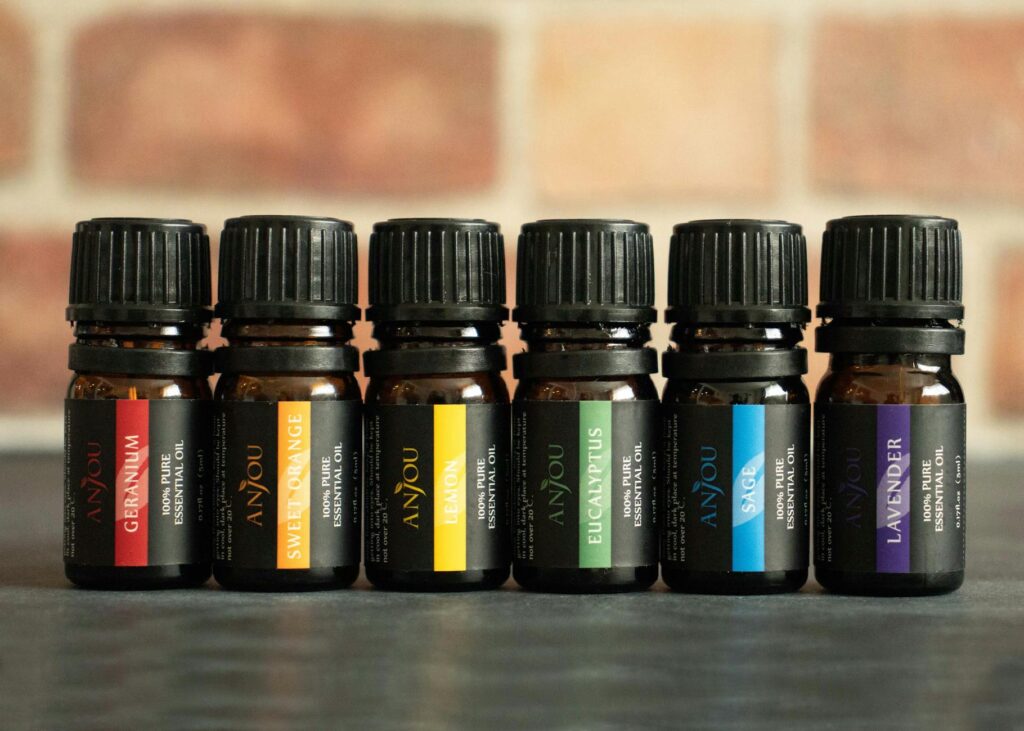
Best Ways to Use Geranium Oil
Introduction
Essential oils have been used for centuries in various cultures for their aromatic and therapeutic properties. Among these, geranium oil stands out due to its diverse applications and pleasant fragrance. Extracted from the leaves and stems of the Pelargonium graveolens plant, geranium oil is celebrated for its versatility in aromatherapy, skincare, and household applications. This article delves into the best ways to use geranium oil, exploring its benefits, common uses, and safety considerations.
What Is Geranium Oil?
Geranium oil is derived from the leaves and stems of the geranium plant, a member of the Geraniaceae family. Unlike the garden geraniums commonly found in gardens, the essential oil is typically extracted from the species Pelargonium graveolens. The oil is obtained through steam distillation, capturing the plant’s aromatic compounds. Geranium oil is characterized by its sweet, floral, and slightly minty scent, making it a popular choice in perfumery and aromatherapy.
Key Benefits and Properties
Geranium oil possesses a myriad of beneficial properties, which contribute to its popularity in various applications:
1. Antimicrobial: Research indicates that geranium oil may exhibit antimicrobial properties, making it useful in formulations aimed at reducing the growth of certain bacteria and fungi.
2. Anti-inflammatory: The oil is often noted for its anti-inflammatory properties, which may aid in soothing irritated skin and reducing inflammation.
3. Mood Enhancer: The uplifting aroma of geranium oil is believed to help alleviate feelings of anxiety and stress, promoting emotional well-being.
4. Hormonal Balance: Some users report that geranium oil can help balance hormones, making it beneficial during menstrual cycles.
5. Skin Care: Geranium oil is frequently included in skincare products for its ability to improve skin tone, reduce the appearance of scars, and promote overall skin health.
Common Uses
Geranium oil’s versatility allows for a variety of applications in everyday life:
1. Aromatherapy
Geranium oil is frequently used in aromatherapy due to its calming and uplifting properties. Diffusing the oil can create a serene environment, making it ideal for meditation or relaxation.
2. Skin Care
With its potential to improve skin health, geranium oil is often added to lotions, creams, and serums. It may help with issues such as acne, eczema, and dry skin.
3. Household Cleaning
Geranium oil can serve as a natural cleaning agent due to its antimicrobial properties. Adding a few drops to homemade cleaning solutions can enhance their effectiveness and leave a pleasant scent.
4. Hair Care
In hair care, geranium oil may help balance oil production and improve hair texture. It is commonly found in shampoos and conditioners designed for dry or oily hair.
5. Insect Repellent
The oil’s scent is known to repel insects, making it a natural alternative to chemical repellents. It can be diluted and applied to the skin or used in sprays for the home.
Aromatherapy Applications
Aromatherapy is one of the most popular uses of geranium oil, where its aroma is harnessed to enhance physical and emotional well-being. Here are several ways to incorporate geranium oil into aromatherapy practices:
1. Diffusion
Using an essential oil diffuser, add a few drops of geranium oil to water and disperse the aroma throughout your space. This method is excellent for creating a calming atmosphere.
2. Inhalation
For a quick mood boost, place a drop of geranium oil on a cotton ball and inhale the scent deeply. This can help alleviate feelings of stress and promote relaxation.
3. Bathing
Adding geranium oil to a warm bath can enhance the bathing experience. Mix a few drops with a carrier oil or Epsom salts before adding it to the water to prevent skin irritation.
4. Massage
Diluting geranium oil with a carrier oil, such as jojoba or sweet almond oil, can create a soothing massage oil. This practice may promote relaxation and relieve tension in the muscles.
Safety Considerations
While geranium oil is generally regarded as safe for most individuals, there are several safety considerations to keep in mind:
1. Dilution: Always dilute geranium oil with a carrier oil before applying it to the skin to minimize the risk of irritation.
2. Patch Test: Conduct a patch test on a small area of skin prior to widespread use. This can help identify any allergic reactions or sensitivities.
3. Pregnancy and Nursing: Pregnant or nursing individuals should consult a healthcare professional before using geranium oil, as its effects during these periods are not fully understood.
4. Children: Use caution when applying geranium oil to children. It is advisable to seek guidance on appropriate dilution ratios and usage.
5. Medical Conditions: Individuals with specific medical conditions, particularly those involving hormone-sensitive issues, should consult with a healthcare provider before using geranium oil.
Storage and Shelf Life
To preserve the integrity and effectiveness of geranium oil, proper storage is essential:
1. Light Protection: Store the oil in a dark glass bottle to protect it from light, which can degrade the oil over time.
2. Temperature: Keep the oil in a cool, dry place away from direct sunlight and heat sources. Avoid storing it in bathrooms where humidity may be high.
3. Shelf Life: When stored correctly, geranium oil can last for 1 to 3 years. However, always check for changes in scent or appearance, as these may indicate spoilage.
Frequently Asked Questions
1. Can I use geranium oil for cooking?
While geranium oil is generally safe for topical and aromatic uses, it is not typically recommended for culinary applications. Always check the specific oil’s purity and intended use.
2. Is geranium oil safe for sensitive skin?
Geranium oil can be irritating to sensitive skin if not properly diluted. Always perform a patch test and consult with a professional if you have concerns.
3. How can I incorporate geranium oil into my skincare routine?
You can add a few drops of geranium oil to your regular moisturizer or create a DIY serum by mixing it with a carrier oil. Always ensure proper dilution.
4. Can I use geranium oil in a diffuser with other essential oils?
Yes, geranium oil blends well with various essential oils, including lavender, bergamot, and citrus oils. Experiment with different combinations to find your preferred scent.
5. What should I do if I experience an allergic reaction?
If you experience redness, itching, or irritation after using geranium oil, discontinue use immediately. Wash the area with mild soap and water and consult a healthcare professional if symptoms persist.
Conclusion
Geranium oil is a versatile essential oil that offers numerous benefits and applications, ranging from skincare to aromatherapy. Its pleasant fragrance and potential therapeutic properties make it a valuable addition to any essential oil collection. By understanding the best ways to use geranium oil, along with safety considerations and proper storage practices, you can effectively incorporate this oil into your daily routine. Whether you are looking to enhance your emotional well-being, improve your skincare regimen, or create a refreshing atmosphere in your home, geranium oil may be an excellent choice.