
Best Ways to Use Hazelnut Oil
Introduction
Hazelnut oil, derived from the nuts of the hazel tree (Corylus avellana), is a versatile oil celebrated for its rich flavor, nutritional benefits, and diverse applications in cooking, cosmetic formulations, and aromatherapy. With a history rooted in culinary traditions and natural health practices, hazelnut oil has gained popularity among wellness enthusiasts and culinary experts alike. This article explores the properties, benefits, and various ways to utilize hazelnut oil effectively.
What Is Hazelnut Oil?
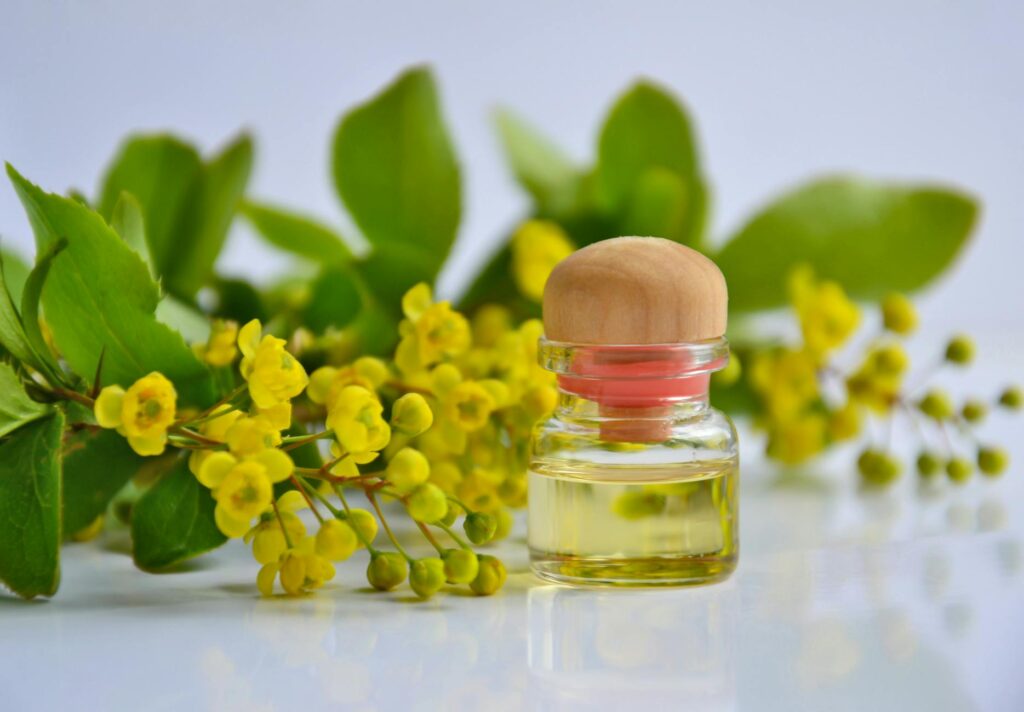
Hazelnut oil is a cold-pressed oil extracted from the nuts of the hazel tree, which is native to Europe and parts of Asia. The oil has a light golden hue and a slightly nutty aroma, making it an appealing choice for culinary applications. It is characterized by its smooth texture and high smoke point, which makes it suitable for sautéing and roasting. Beyond cooking, hazelnut oil is also prized in the world of natural beauty and wellness, serving as a carrier oil for essential oils and a nourishing ingredient in skincare products.
Key Benefits and Properties
Hazelnut oil possesses several beneficial properties, making it a valuable addition to both diet and skincare regimens:
1. Nutritional Profile: Hazelnut oil is rich in monounsaturated fats, particularly oleic acid, which is known for its heart-healthy benefits. It also contains essential fatty acids, vitamins E and K, and a variety of antioxidants.
2. Moisturizing Properties: The oil is easily absorbed by the skin, making it an excellent moisturizer. Its emollient qualities help to soften and hydrate the skin, making it suitable for various skin types.
3. Anti-inflammatory Effects: Hazelnut oil may help reduce inflammation, which can be beneficial for conditions such as eczema and acne.
4. Nutrient Absorption: The oil can enhance the absorption of fat-soluble vitamins and other nutrients in the body, making it an effective addition to salads and other dishes.
5. Flavor Profile: With its delicate nutty flavor, hazelnut oil can elevate culinary creations, adding depth and richness to dishes.
Common Uses
Hazelnut oil can be utilized in a variety of ways, making it a staple in both culinary and personal care settings:
Culinary Uses
- Salad Dressings: Hazelnut oil serves as an excellent base for homemade salad dressings. Its nutty flavor pairs well with vinegars, citrus juices, and herbs, creating a delicious complement to leafy greens.
- Drizzling: A drizzle of hazelnut oil over roasted vegetables, pasta, or grain dishes can enhance flavor and add a touch of elegance to the presentation.
- Baking: Incorporating hazelnut oil into baked goods, such as muffins or cakes, can impart a subtle nutty flavor while keeping the final product moist.
- Sautéing and Frying: With a higher smoke point compared to many other oils, hazelnut oil can be used for sautéing vegetables or frying dishes where a light nutty flavor is desired.
- Moisturizer: Hazelnut oil can be applied directly to the skin or mixed with other skincare ingredients to create a hydrating moisturizer.
- Massage Oil: As a carrier oil, hazelnut oil can be blended with essential oils for therapeutic massage, providing both slip and nourishment to the skin.
- Hair Care: It can be used as a hair treatment to add moisture and shine, especially for dry or damaged hair.
- Dilution: Essential oils are potent and must be diluted before application. A typical dilution ratio is 2-3 drops of essential oil per teaspoon of carrier oil, such as hazelnut oil.
- Massage Blends: Hazelnut oil can be used as a base for massage oil blends. Combine it with essential oils like lavender for relaxation or peppermint for invigorating effects.
- Skin Care Formulations: Hazelnut oil can be mixed with essential oils known for their skin benefits, such as tea tree oil for acne-prone skin or chamomile for sensitive skin.
- Cool, Dark Place: Store hazelnut oil in a cool, dark place, away from direct sunlight and heat sources. This helps to prevent oxidation and rancidity.
- Sealed Container: Keep the oil in a tightly sealed container to minimize exposure to air, which can also lead to spoilage.
- Refrigeration: For extended shelf life, especially in warmer climates, consider refrigerating hazelnut oil. This can help maintain its freshness, although it may become cloudy when chilled.
- Shelf Life: Unopened hazelnut oil can last up to two years, while opened bottles should be used within six months to a year for optimal quality.
Skincare and Beauty
Aromatherapy Applications
While hazelnut oil is not an essential oil on its own, it serves as an effective carrier oil in aromatherapy. Carrier oils help to dilute essential oils for safe topical application, making them vital in blending.
Creating Blends
Aromatic Diffusion
While hazelnut oil is not typically used in diffusers, it can be included in oil blends for topical application. When blended with essential oils, it carries the aroma well and can enhance the overall experience of aromatherapy.
Safety Considerations
Although hazelnut oil is generally considered safe for most individuals, it is essential to observe the following safety considerations:
1. Allergic Reactions: Individuals with nut allergies should avoid hazelnut oil, as it may trigger allergic reactions.
2. Patch Test: When using hazelnut oil for the first time on the skin, conduct a patch test to check for any adverse reactions. Apply a small amount on the inner forearm and wait 24 hours to ensure no irritation occurs.
3. Essential Oil Interaction: If blending with essential oils, ensure compatibility and appropriate dilution to prevent skin irritation.
4. Consultation with Professionals: For individuals with specific health concerns or conditions, consultation with a healthcare professional is advisable before using hazelnut oil or any new product.
Storage and Shelf Life
Proper storage of hazelnut oil is crucial to maintain its quality and extend its shelf life:
Frequently Asked Questions
Is hazelnut oil suitable for cooking?
Yes, hazelnut oil is suitable for cooking due to its high smoke point and rich flavor. It can be used in sautéing, baking, and salad dressings.
Can hazelnut oil be used on sensitive skin?
Hazelnut oil is generally well-tolerated and can be beneficial for sensitive skin. However, it is advisable to perform a patch test beforehand.
How can I incorporate hazelnut oil into my skincare routine?
Hazelnut oil can be applied directly as a moisturizer, used as a carrier oil for essential oils in massage blends, or added to homemade skincare formulations.
What are the differences between hazelnut oil and other nut oils?
Hazelnut oil has a distinct nutty flavor profile, different from other nut oils like almond or walnut oil. Each type of nut oil has unique nutritional properties and culinary uses.
Is hazelnut oil safe for hair care?
Yes, hazelnut oil can be used to nourish and moisturize hair. It can help improve shine and manageability, especially for dry or damaged hair.
Conclusion
Hazelnut oil is a remarkable oil with diverse applications in culinary arts, skincare, and aromatherapy. Its rich flavor, nutritional benefits, and hydrating properties make it a valuable asset in both the kitchen and beauty routines. By understanding its benefits and proper methods of use, individuals can fully appreciate the versatility of hazelnut oil while enhancing their overall well-being. Whether drizzling it over a salad or incorporating it into a skincare regimen, hazelnut oil offers an abundance of possibilities for those looking to explore natural ingredients in their everyday lives.