
Best Ways to Use Helichrysum Oil
Introduction
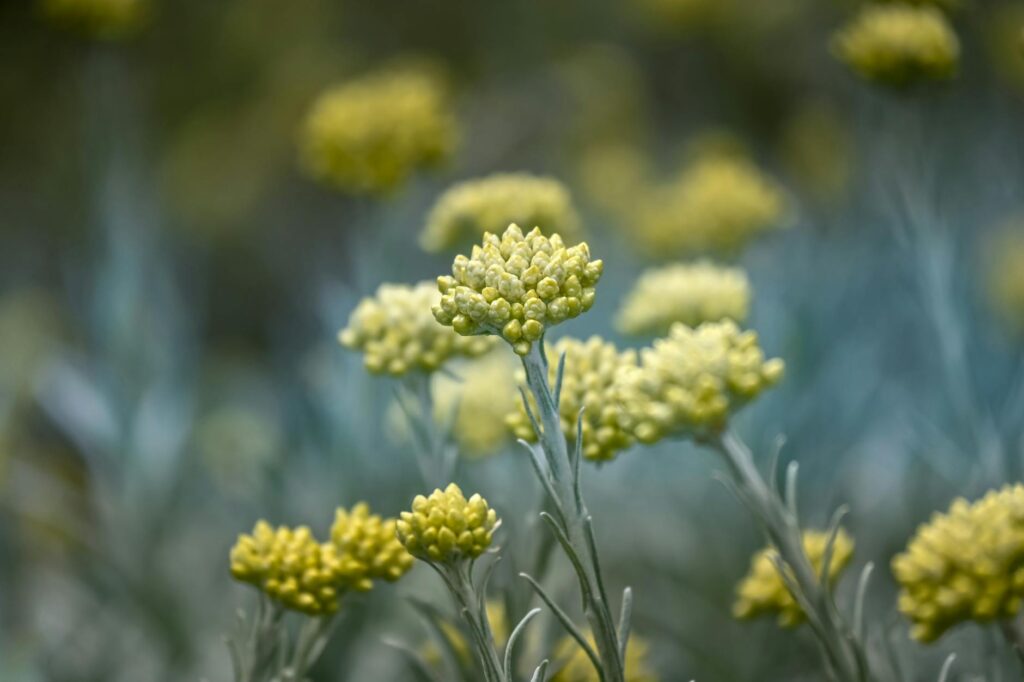
Helichrysum oil, derived from the flowers of the Helichrysum italicum plant, has gained popularity in the realm of essential oils and aromatherapy. Known for its rich golden hue and distinctive aroma, this oil has been utilized for centuries across various cultures for its numerous therapeutic properties. In this article, we will explore the characteristics, benefits, and various applications of helichrysum oil, along with safety considerations and storage tips.
What Is Helichrysum Oil?
Helichrysum oil is extracted through steam distillation from the flowering tops of the Helichrysum italicum plant, which is native to the Mediterranean region. The plant is often referred to as “immortelle” or “everlasting” due to its ability to maintain its vibrant color and aroma even after being harvested. Helichrysum oil is characterized by its warm, honey-like scent, which is both earthy and floral. This oil is rich in a variety of chemical constituents, including esters, ketones, and flavonoids, which contribute to its therapeutic properties.
Key Benefits and Properties
Helichrysum oil is known for a wide range of benefits, making it a versatile addition to any essential oil collection. Some of its key properties include:
1. Anti-inflammatory: Helichrysum oil is known for its ability to reduce inflammation, which can help soothe various skin irritations and conditions.
2. Antioxidant: Rich in antioxidants, helichrysum oil can help combat oxidative stress, promoting healthy skin and overall wellness.
3. Skin Regeneration: This oil is renowned for its skin-healing properties, making it a popular choice for reducing the appearance of scars and blemishes.
4. Emotional Balance: The uplifting scent of helichrysum oil may help alleviate feelings of sadness and promote emotional well-being.
5. Antimicrobial: Helichrysum oil possesses antimicrobial properties that can help protect against certain infections.
Common Uses
Helichrysum oil can be used in various ways, thanks to its diverse range of benefits. Here are some common applications:
1. Skincare: Due to its regenerative properties, helichrysum oil is often added to skincare formulations. It can be diluted with a carrier oil and applied to areas of concern, such as scars, wrinkles, or sunburn.
2. Massage: When blended with a carrier oil, helichrysum oil can be used in massage to relieve muscle tension and promote relaxation.
3. Diffusion: The oil can be added to a diffuser to create a calming atmosphere. Its pleasant aroma can help improve mood and reduce stress.
4. Bathing: Adding a few drops of helichrysum oil to a warm bath can provide a soothing experience, promoting relaxation and skin health.
5. Hair Care: Helichrysum oil can also be beneficial for hair health. It may help improve scalp conditions and promote hair growth when added to shampoo or conditioner.
Aromatherapy Applications
In aromatherapy, helichrysum oil is valued for its uplifting and grounding properties. It can be used in various ways, including:
1. Inhalation: Direct inhalation of helichrysum oil can provide immediate emotional benefits. A few drops can be placed on a tissue or in the palms of the hands and inhaled deeply.
2. Blending with Other Oils: Helichrysum oil blends well with other essential oils such as lavender, frankincense, and bergamot. These combinations can enhance its therapeutic effects and create a more complex aroma.
3. Meditation and Mindfulness: The calming scent of helichrysum oil makes it an excellent choice for meditation practices. It can help create a serene environment, aiding in focus and relaxation.
4. Room Sprays: Creating a room spray with helichrysum oil and water can help freshen up a space while providing aromatic benefits.
Safety Considerations
While helichrysum oil is generally considered safe for most individuals, certain precautions should be observed:
1. Dilution: Essential oils are highly concentrated and should be diluted with a carrier oil before applying to the skin. A typical dilution ratio is 2-3 drops of essential oil per teaspoon of carrier oil.
2. Patch Test: Conducting a patch test is advisable before using helichrysum oil on larger areas of the skin. Apply a diluted drop to a small area and observe for any adverse reactions.
3. Pregnancy and Nursing: Pregnant or nursing individuals should consult with a healthcare professional before using essential oils.
4. Allergies: Those with allergies to plants in the Asteraceae family (such as daisy, marigold, and chamomile) may want to avoid helichrysum oil.
5. Medical Conditions: Individuals with specific medical conditions or those taking medication should consult a healthcare provider before using helichrysum oil.
Storage and Shelf Life
To maintain the quality and potency of helichrysum oil, proper storage is essential. Here are some tips:
1. Dark Glass Containers: Store helichrysum oil in dark glass bottles to protect it from light, which can degrade the oil over time.
2. Cool Environment: Keep the oil in a cool, dry place, away from direct sunlight and heat sources.
3. Tightly Sealed: Ensure that the bottle is tightly sealed to prevent oxidation and contamination.
4. Shelf Life: When stored properly, helichrysum oil has a shelf life of approximately 2-3 years. However, it is advisable to check for any changes in aroma or color before use.
Frequently Asked Questions
1. What does helichrysum oil smell like?
Helichrysum oil has a warm, sweet, and slightly earthy aroma, often described as honey-like with floral undertones. Its unique scent is soothing and uplifting.
2. Can I use helichrysum oil for cooking?
Helichrysum oil is not typically used for culinary purposes. It is primarily intended for topical and aromatic applications.
3. Is helichrysum oil safe for children?
While helichrysum oil is generally considered safe, it is recommended to consult with a healthcare professional before using it on children, as their skin may be more sensitive.
4. How can I incorporate helichrysum oil into my skincare routine?
Helichrysum oil can be added to your regular skincare products, such as creams, serums, or lotions, or it can be diluted with a carrier oil and applied directly to the skin.
5. Can I mix helichrysum oil with other essential oils?
Yes, helichrysum oil blends well with many other essential oils, including lavender, frankincense, and cedarwood. Experimenting with different combinations can enhance its benefits and create unique aromatic blends.
Conclusion
Helichrysum oil is a remarkable essential oil with a plethora of benefits and applications. From skincare to emotional well-being, its versatility makes it a valuable addition to any essential oil collection. By understanding its properties and using it safely, individuals can harness the power of helichrysum oil to enrich their daily lives. Whether through aromatherapy, topical applications, or relaxation techniques, the potential uses of helichrysum oil are vast, inviting exploration and experimentation.