
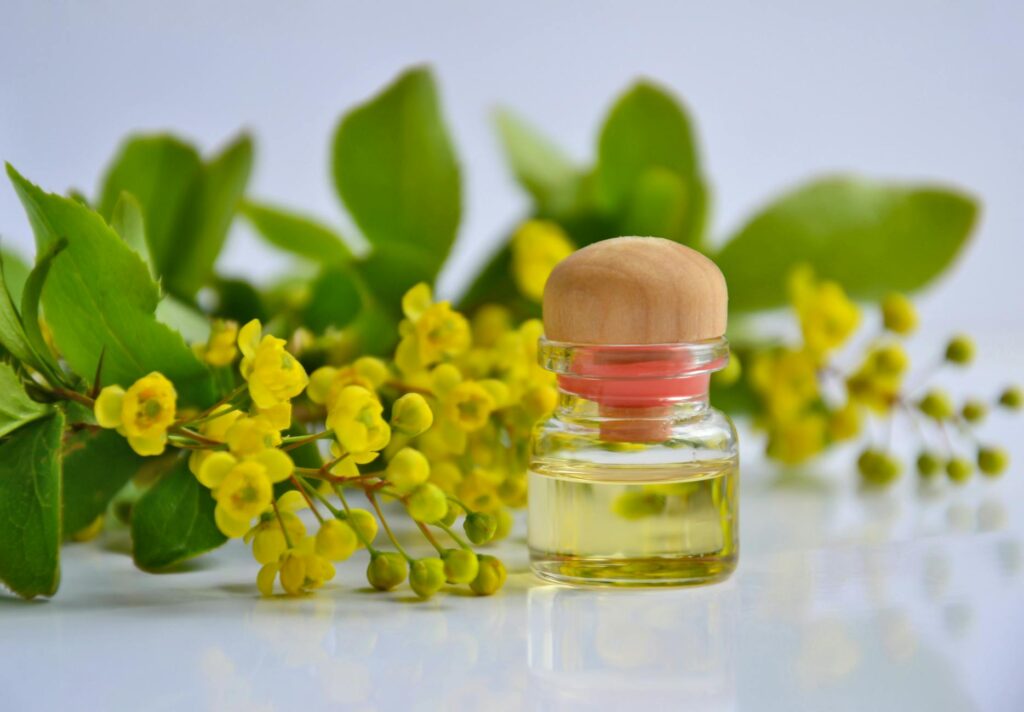
Best Ways to Use Herbal Infused Oils
Introduction
Herbal infused oils are a delightful fusion of herbal properties and carrier oils, offering a versatile way to incorporate the benefits of herbs into daily practices. These oils can be used for a variety of applications, from skincare to culinary uses, making them a staple in both herbalism and aromatherapy. This article will delve into what herbal infused oils are, their benefits, common uses, and safety considerations, providing a comprehensive guide for anyone interested in exploring this enriching aspect of natural wellness.
What Is Herbal Infused Oils?
Herbal infused oils are created by steeping herbs in a carrier oil, allowing the beneficial compounds of the herbs to be extracted and infused into the oil. The process typically involves using a base oil, such as olive oil, jojoba oil, or coconut oil, which serves as a medium to carry the properties of the herbs. Common herbs used in infusion include lavender, chamomile, rosemary, and calendula, each bringing its unique set of characteristics.
The infusion process can be done via cold infusion or hot infusion methods. Cold infusion involves allowing the herbs to steep in the oil at room temperature for several weeks, while hot infusion accelerates the process by gently heating the mixture. Regardless of the method, the resulting herbal infused oil retains the essence of the herbs, making it a potent medium for various applications.
Key Benefits and Properties
Herbal infused oils harness the therapeutic properties of the herbs used in the infusion. While specific benefits vary depending on the herb, general advantages of herbal infused oils include:
1. Nourishment for the Skin: Many infused oils are rich in vitamins, antioxidants, and fatty acids, promoting skin health. For instance, calendula-infused oil is often praised for its soothing properties, making it beneficial for dry or irritated skin.
2. Aromatherapy Benefits: The aromatic compounds released during the infusion process can aid in emotional well-being. Lavender-infused oil, for example, is renowned for its calming effects.
3. Versatility: Herbal infused oils can be utilized in a multitude of ways, from topical applications to culinary uses, allowing for a wide range of benefits.
4. Natural Alternatives: These oils provide a more natural option compared to synthetic products, appealing to those seeking holistic alternatives.
Common Uses
Herbal infused oils can be employed in various domains, including skincare, cooking, and therapeutic practices. Here are some common applications:
1. Skincare
- Moisturizers: Herbal infused oils can be applied directly to the skin as moisturizers, offering hydration and nourishment.
- Massage Oils: When blended with essential oils, infused oils serve as an excellent base for massage, enhancing relaxation and soothing sore muscles.
- Body Scrubs: Combined with sugar or salt, herbal infused oils can create natural exfoliating scrubs that cleanse and rejuvenate the skin.
- Dressings and Marinades: Infused oils can elevate the flavor of salads and dishes. For example, rosemary-infused olive oil can add a fragrant touch to roasted vegetables or grilled meats.
- Cooking: While some infused oils are suited for cooking, it is essential to consider the smoke point of the carrier oil used.
- Conditioners: Herbal infused oils can be applied to the scalp and hair to nourish and hydrate, promoting overall hair health.
- Dandruff Treatment: Infused oils with antifungal properties, such as tea tree oil, can help in managing scalp conditions.
- Diffusion: Infused oils can be added to oil diffusers to create a pleasant aroma in living spaces.
- Baths: Adding a few drops of herbal infused oil to bathwater can enhance relaxation and provide a soothing experience.
- Lavender Infused Oil: Known for its calming and relaxing effects, lavender-infused oil can help alleviate stress and promote restful sleep.
- Peppermint Infused Oil: Often used for its invigorating scent, peppermint-infused oil can help enhance focus and concentration.
- Chamomile Infused Oil: With its soothing properties, chamomile-infused oil may assist in relaxation and reducing anxiety.
2. Culinary Uses
3. Hair Care
4. Aromatherapy
Aromatherapy Applications
Aromatherapy utilizes the aromatic properties of essential oils and herbal infused oils to promote emotional and physical well-being. Some popular infused oils used in aromatherapy include:
Incorporating herbal infused oils into aromatherapy practices can be easily achieved through methods such as direct inhalation, diffusion, or topical application (when diluted appropriately).
Safety Considerations
While herbal infused oils can be beneficial, it is essential to observe safety precautions:
1. Patch Test: Before applying any herbal infused oil to the skin, conduct a patch test to check for allergic reactions. Apply a small amount to a discreet area and wait 24 hours to observe any adverse reactions.
2. Dilution: When using infused oils for topical applications, dilute them with a suitable carrier oil to prevent skin irritation, especially for sensitive skin.
3. Quality of Ingredients: Use high-quality, organic herbs and carrier oils to ensure the purity and efficacy of the infusion.
4. Pregnancy and Nursing: Certain herbs may not be safe during pregnancy or breastfeeding. Consult with a knowledgeable herbalist or healthcare provider for guidance.
5. Storage: Proper storage is crucial to maintain the quality of herbal infused oils, as mentioned in the next section.
Storage and Shelf Life
The shelf life of herbal infused oils can vary depending on the type of carrier oil used and the preparation method. Here are some general guidelines for storage:
1. Containers: Store herbal infused oils in dark glass bottles to protect them from light, which can degrade the oil.
2. Cool, Dark Place: Keep the oils in a cool, dark location to prolong their shelf life. Excessive heat and sunlight can cause oxidation, reducing the oil’s effectiveness.
3. Duration: Typically, herbal infused oils can last from six months to two years. However, monitor for changes in color, odor, or consistency, which may indicate spoilage.
4. Refrigeration: While refrigeration is not always necessary, it can extend the shelf life of certain oils, particularly those infused with delicate herbs.
Frequently Asked Questions
1. Can I use any herb for infusion?
While many herbs can be used for infusion, it’s essential to research their properties and effects. Some herbs may not be suitable for topical application or culinary use.
2. How do I know if my herbal infused oil is safe to use?
Monitor your infused oil for any signs of spoilage, such as off odors or changes in appearance. If the oil smells rancid or has developed an unusual color, it’s best to discard it.
3. Can I use herbal infused oils in cooking?
Yes, many herbal infused oils can be used in cooking. However, be mindful of the smoke point of the carrier oil to avoid degradation of the oil’s properties.
4. How long does it take to make herbal infused oils?
The infusion process can take anywhere from a few days to several weeks, depending on the method used and the herbs chosen.
5. Are herbal infused oils the same as essential oils?
No, herbal infused oils and essential oils are different. Infused oils are made by steeping herbs in carrier oils, while essential oils are concentrated extracts obtained through distillation or cold pressing.
Conclusion
Herbal infused oils offer a myriad of benefits and applications, making them a valuable addition to holistic practices. Their versatility in skincare, culinary uses, and aromatherapy allows individuals to explore natural alternatives for self-care and well-being. By understanding the properties, uses, and safety considerations of herbal infused oils, one can effectively incorporate them into their daily routine, enriching both body and mind with the essence of nature.