
Best Ways to Use Lemon Myrtle Oil
Introduction
Lemon Myrtle oil, derived from the leaves of the Backhousia citriodora, is a fragrant essential oil celebrated for its refreshing citrus aroma and myriad benefits. Native to Australia, this oil has gained popularity worldwide for its versatility in various applications, including aromatherapy, cleaning, and personal care. This article will explore the properties, benefits, and practical uses of Lemon Myrtle oil, providing a comprehensive guide for enthusiasts and newcomers alike.
What Is Lemon Myrtle Oil?
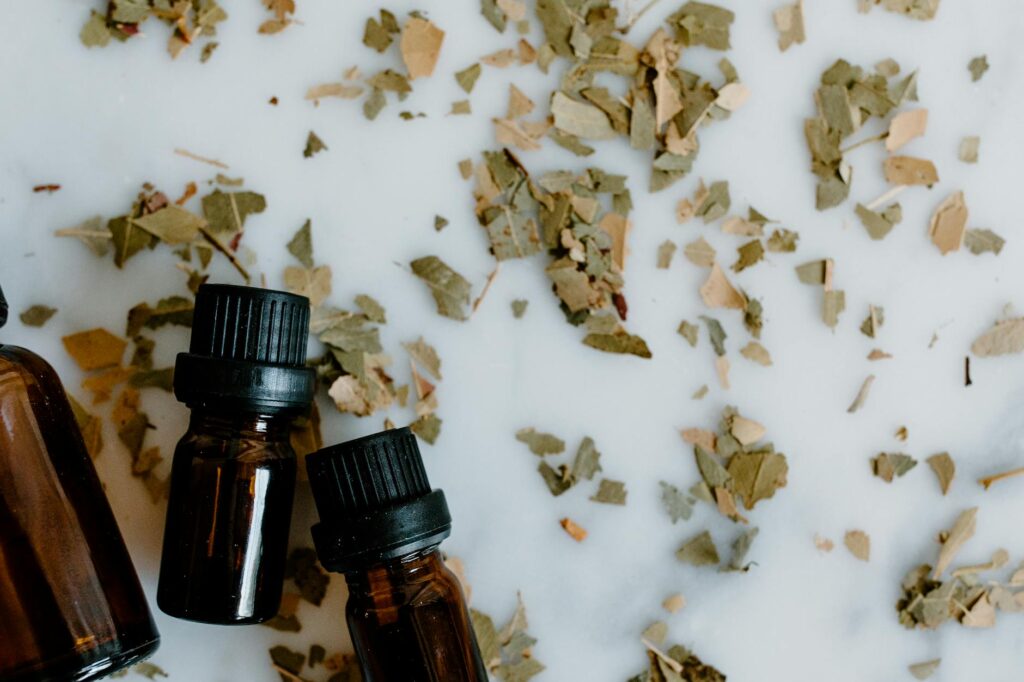
Lemon Myrtle oil is extracted through steam distillation from the leaves of the Lemon Myrtle tree, which can grow up to 10 meters tall. The tree is known for its high citral content—a compound responsible for its characteristic lemon scent. The oil is often characterized by its bright, fresh aroma, reminiscent of lemon and lime, making it a favorite choice in aromatherapy and natural products.
The oil is typically pale yellow to clear in color and has a thin consistency. It is important to ensure that the oil is 100% pure and sourced from reputable suppliers to ensure quality and potency.
Key Benefits and Properties
Lemon Myrtle oil boasts a range of beneficial properties that contribute to its popularity:
1. Antimicrobial Properties: Lemon Myrtle oil is known for its antibacterial and antifungal qualities, which make it a valuable addition to cleaning products and personal care items.
2. Mood Enhancer: The uplifting scent of Lemon Myrtle oil is believed to promote feelings of happiness and relaxation, making it a popular choice in aromatherapy practices.
3. Anti-inflammatory Effects: Some studies suggest that Lemon Myrtle oil may possess anti-inflammatory properties, which can be beneficial in various applications.
4. Insect Repellent: The strong citrus aroma is effective at repelling insects, making it an excellent natural alternative to synthetic repellents.
5. Digestive Support: While not a substitute for medical advice, some users find that the oil may assist in digestive comfort when used appropriately in diluted forms.
Common Uses
1. Aromatherapy
Lemon Myrtle oil is widely used in aromatherapy to enhance mood and promote relaxation. Diffusing the oil in a room can create an uplifting atmosphere, which may help combat stress and anxiety.
2. Cleaning Products
Due to its antimicrobial properties, Lemon Myrtle oil is an excellent ingredient for natural cleaning products. It can be added to homemade cleaning solutions to disinfect surfaces and leave a fresh scent.
3. Personal Care Products
Lemon Myrtle oil can be found in a variety of personal care products, including soaps, shampoos, and lotions. Its refreshing scent and potential skin benefits make it a popular choice among formulators.
4. Insect Repellent
When diluted with a carrier oil, Lemon Myrtle oil can be used as a natural insect repellent. Its strong scent helps keep mosquitoes and other insects at bay, making it ideal for outdoor activities.
5. Culinary Uses
In small amounts, Lemon Myrtle oil can be used as a flavoring agent in culinary dishes, particularly in desserts and beverages. It offers a unique citrus flavor that can enhance the overall profile of dishes.
Aromatherapy Applications
In aromatherapy, Lemon Myrtle oil can be utilized in various ways:
1. Diffusion
Using an essential oil diffuser, add a few drops of Lemon Myrtle oil to water and allow the scent to permeate the room. This method is particularly effective for creating a cheerful atmosphere and enhancing mental clarity.
2. Inhalation
For a quick mood boost, place a few drops of Lemon Myrtle oil on a tissue or cotton ball and inhale deeply. This method is convenient for on-the-go aromatherapy.
3. Massage
Diluting Lemon Myrtle oil with a carrier oil (such as jojoba or sweet almond oil) allows for its use in massage. The refreshing aroma combined with the benefits of touch can create a soothing experience.
4. Bathing
Adding Lemon Myrtle oil to a warm bath can enhance relaxation and contribute to an invigorating bathing experience. Combine with Epsom salts for added benefits.
Safety Considerations
While Lemon Myrtle oil is generally considered safe for use, there are a few safety considerations to keep in mind:
1. Dilution: Always dilute Lemon Myrtle oil with a carrier oil before applying it to the skin to avoid irritation. A common dilution ratio is 2-3 drops of essential oil per teaspoon of carrier oil.
2. Sensitivity: Individuals with sensitive skin or allergies may wish to conduct a patch test prior to widespread use. Apply a small amount of diluted oil to a discreet area and monitor for any adverse reactions.
3. Pregnancy and Nursing: Pregnant or nursing individuals should consult a healthcare professional before using essential oils, including Lemon Myrtle oil.
4. Children and Pets: Exercise caution when using essential oils around children and pets. Some essential oils can be harmful to animals, so it is essential to research their safety prior to use.
5. Quality: Ensure that you are purchasing high-quality, pure Lemon Myrtle oil from reputable sources to avoid the risks associated with synthetic additives or adulterated oils.
Storage and Shelf Life
To maintain the quality and potency of Lemon Myrtle oil, proper storage is essential:
- Containers: Store the oil in dark glass bottles to protect it from light, which can degrade essential oils over time. Amber or cobalt blue bottles are ideal.
- Temperature: Keep the oil in a cool, dry place, away from direct sunlight and heat sources. A temperature range of 15-25°C (59-77°F) is optimal.
- Shelf Life: When stored properly, Lemon Myrtle oil can last for about 1-2 years. However, it is advisable to check for any changes in smell, color, or consistency, which may indicate that the oil has gone bad.
Frequently Asked Questions
1. Can Lemon Myrtle oil be ingested?
While some individuals use essential oils for culinary purposes, it is essential to use extreme caution. Only consume oils that are specifically labeled as food-grade and consult a professional before doing so.
2. Is Lemon Myrtle oil safe for children?
Lemon Myrtle oil can be used around children, but it should always be diluted appropriately. It is best to consult a pediatrician for specific recommendations based on the child’s age and health.
3. How does Lemon Myrtle oil compare to other citrus oils?
Lemon Myrtle oil has a higher citral content than many other citrus oils, giving it a more potent lemon scent. It is often considered more effective for antimicrobial purposes compared to other citrus oils.
4. Can I use Lemon Myrtle oil in a diffuser?
Yes, Lemon Myrtle oil is excellent for use in a diffuser. Its refreshing scent can enhance the ambiance of any space and promote a sense of well-being.
5. What are the best carrier oils for dilution?
Common carrier oils include jojoba oil, sweet almond oil, coconut oil, and grapeseed oil. Choose a carrier oil based on personal preference and skin type.
Conclusion
Lemon Myrtle oil is a versatile and valuable essential oil, offering a range of benefits and applications. From its uplifting aroma to its antimicrobial properties, this oil has carved a niche in the realms of aromatherapy, cleaning, and personal care. By understanding its uses, safety considerations, and storage tips, users can fully appreciate the qualities of Lemon Myrtle oil and integrate it into their daily routines. As with any essential oil, knowledge and caution are key to enjoying its benefits safely and effectively.