
Best Ways to Use Meditation Blends
Introduction
Meditation blends are a harmonious combination of essential oils designed to enhance the meditation experience. These blends can facilitate relaxation, improve focus, and promote a sense of inner peace, making them a valuable addition to anyone’s mindfulness practice. In this article, we will explore what meditation blends are, their benefits, common uses, aromatherapy applications, safety considerations, and storage guidelines.
What Is Meditation Blends?
Meditation blends consist of carefully chosen essential oils that work synergistically to support mental clarity and emotional balance. The selection of oils often includes calming and grounding scents such as lavender, frankincense, sandalwood, and bergamot. These oils can be used in various forms, including diffusers, topical applications, and inhalation methods, each contributing to a broader meditative experience.
Key Benefits and Properties
1. Promotes Relaxation
One of the primary benefits of meditation blends is their ability to induce relaxation. Essential oils like lavender and chamomile are well-known for their calming properties, helping to ease tension and stress.
2. Enhances Focus
Certain oils, such as rosemary and peppermint, have stimulating properties that can enhance concentration and clarity of thought. When blended appropriately, these oils can support a focused meditative state.
3. Supports Emotional Balance
Meditation blends can help stabilize emotions. Oils like bergamot and ylang-ylang are often included for their uplifting qualities, promoting emotional well-being during meditation.
4. Creates a Sacred Space
Using meditation blends can help create an atmosphere conducive to mindfulness. The aromatic profile of these oils can transform a space, making it feel more sacred and inviting for meditation practice.
Common Uses
1. Diffusion
The most common method of using meditation blends is through diffusion. By adding a few drops of the blend to a diffuser, the oils are dispersed into the air, allowing users to inhale the aromatic compounds as they meditate.
2. Topical Application
Meditation blends can also be applied directly to the skin when diluted with a carrier oil. Areas such as pulse points, the back of the neck, or the wrists can be ideal spots for application. This method allows for a more personal connection with the oils.
3. Inhalation
For a quick and effective way to use meditation blends, inhalation is a great option. Simply placing a few drops on a cotton ball or inhaler can provide immediate aromatic benefits, especially during meditation sessions.
4. Bathing
Adding meditation blends to a warm bath can enhance relaxation. The steam from the water helps to release the essential oils, creating a soothing atmosphere that promotes mindfulness.
5. Meditation Accessories
Some individuals incorporate meditation blends into accessories such as prayer beads or mala beads. Rubbing a small amount of the blend on the beads allows the user to inhale the scent as they meditate, enhancing focus and intention.
Aromatherapy Applications
1. Personal Meditation Practice
Incorporating meditation blends into personal practice can significantly enhance the experience. Users may choose to apply the blend before sitting down to meditate or incorporate it into their breathing exercises.
2. Group Meditation
In group settings, diffusing meditation blends can create a unified experience. The shared aroma can help participants feel more connected and focused, enhancing the collective meditation.
3. Yoga and Movement
Many practitioners find that using meditation blends during yoga or other movement practices helps deepen their connection to the body and breath. The oils can serve as a reminder to remain present and aware.
4. Mindfulness Activities
Beyond traditional meditation, these blends can be used in various mindfulness activities such as journaling or creative expression. The calming effects of the oils can help clear the mind and promote creativity.
Safety Considerations
When using meditation blends, it is crucial to follow safety guidelines to ensure a positive experience:
1. Dilution
Always dilute essential oils with a carrier oil before applying them to the skin. This helps prevent irritation and enhances absorption.
2. Patch Testing
Before applying a new blend, conduct a patch test on a small area of skin to check for any adverse reactions. If irritation occurs, discontinue use immediately.
3. Pregnancy and Nursing
Pregnant or nursing individuals should consult with a qualified professional before using essential oils, as some oils may not be safe during these times.
4. Children and Pets
Keep essential oils out of reach of children and pets. Some oils can be harmful if ingested or improperly applied.
5. Allergies and Sensitivities
Individuals with allergies or sensitivities should exercise caution. Always review the ingredients in a meditation blend to avoid any known allergens.
Storage and Shelf Life
Proper storage is essential to maintain the integrity of meditation blends:
1. Dark Glass Containers
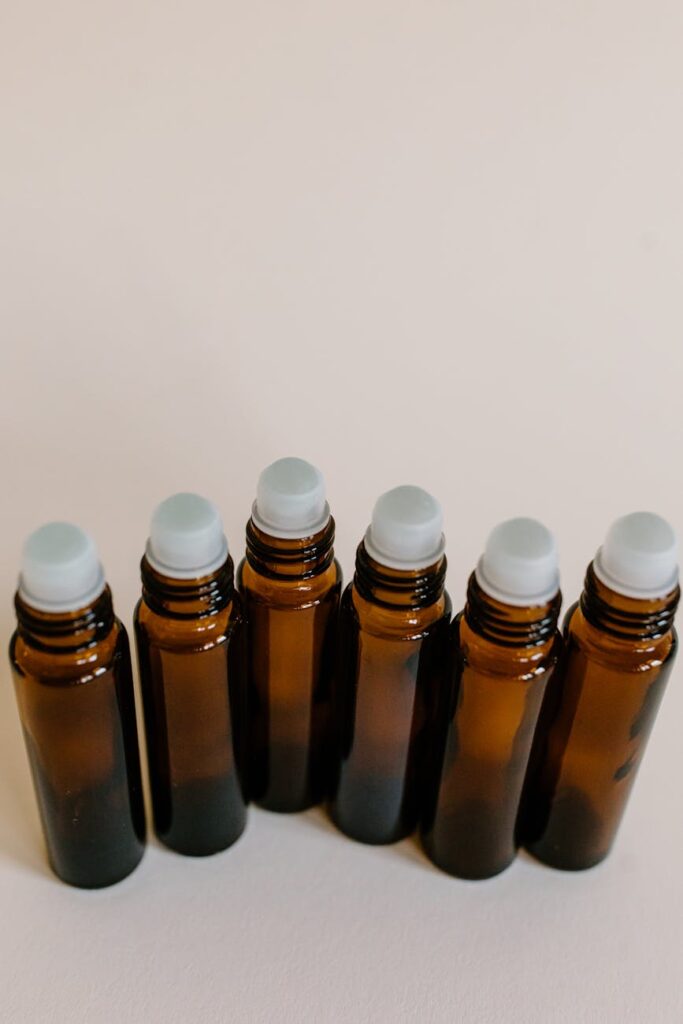
Store essential oils in dark glass containers to protect them from light, which can degrade their quality.
2. Cool, Dry Place
Keep the blends in a cool, dry place away from direct sunlight and heat sources. A temperature range of 60°F to 70°F (15°C to 21°C) is ideal.
3. Shelf Life
Most essential oils have a shelf life ranging from 1 to 5 years, depending on the type of oil. Citrus oils typically have a shorter shelf life, while oils like frankincense may last longer. Always check for signs of degradation, such as changes in color or odor, before use.
Frequently Asked Questions
1. Can I create my own meditation blend?
Absolutely! Experimenting with different essential oils can lead to a personalized meditation blend that resonates with your preferences. Start with a base oil and gradually add others until you achieve a scent you enjoy.
2. What are some popular essential oils for meditation blends?
Some popular essential oils for meditation blends include lavender, frankincense, sandalwood, bergamot, and patchouli. Each oil has its unique properties that can enhance meditation.
3. How often should I use meditation blends?
The frequency of use depends on personal preference. Some individuals may choose to use them daily, while others may reserve them for special meditation sessions.
4. Can meditation blends be used for other purposes?
Yes, many essential oils used in meditation blends can also be beneficial for other purposes, such as relaxation, stress relief, or even skin care. However, always ensure that the blend is appropriate for the intended use.
5. Are there any contraindications for specific oils?
Yes, certain essential oils may have contraindications based on individual health conditions or medications. It’s advisable to research each oil or consult with a knowledgeable source before use.
Conclusion
Meditation blends offer a versatile and enriching way to enhance one’s meditation experience. By understanding their benefits, common uses, and safety considerations, individuals can effectively integrate these aromatic tools into their mindfulness practices. Whether through diffusion, topical application, or other methods, meditation blends can help facilitate relaxation, focus, and emotional balance, making them an invaluable resource for anyone seeking to deepen their meditation journey.