
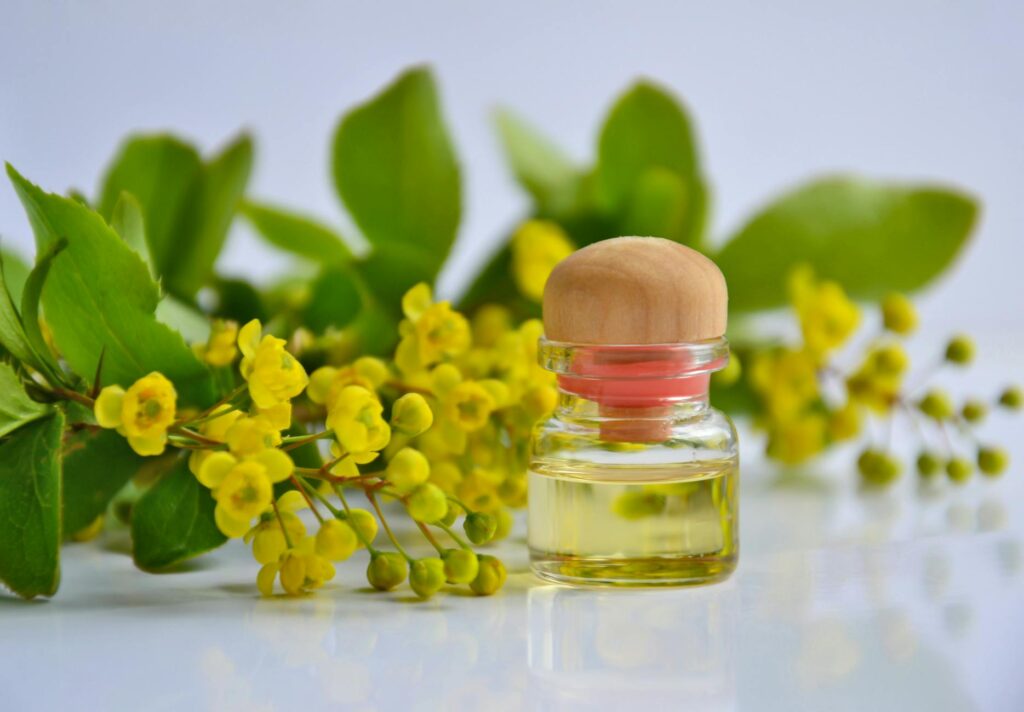
Best Ways to Use Myrrh Oil
Introduction
Myrrh oil, derived from the resin of the Commiphora myrrha tree, has been utilized for centuries in various cultures for its aromatic and therapeutic properties. This essential oil has a rich history, often associated with ancient rituals and medicinal practices. Today, myrrh oil is gaining popularity in aromatherapy and natural wellness circles. This article will explore what myrrh oil is, its key benefits and properties, common uses, and safety considerations, as well as how to incorporate it into your daily routine.
What Is Myrrh Oil?
Myrrh oil is an essential oil obtained from the resin of the Commiphora myrrha tree, which is native to parts of Africa and the Arabian Peninsula. The harvesting process involves making incisions in the tree bark, allowing the resin to seep out and harden into droplets. Once collected, this resin is steam-distilled to produce the essential oil, which has a warm, earthy, and slightly bitter scent.
Historically, myrrh has been used in religious ceremonies, embalming processes, and traditional medicine. Its unique aroma makes it a sought-after ingredient in perfumes and incense, providing a rich, grounding scent that is both calming and spiritually uplifting.
Key Benefits and Properties
Myrrh oil is known for its diverse range of properties, making it suitable for various applications.
- Antimicrobial: Myrrh has been studied for its potential antimicrobial properties, which may help in inhibiting the growth of certain bacteria and fungi.
- Anti-inflammatory: Some studies suggest that myrrh oil may have anti-inflammatory effects, which can be beneficial for soothing irritated skin and easing discomfort.
- Astringent: Myrrh can tighten and tone skin, making it a popular choice in skincare formulations.
- Sedative: The calming scent of myrrh is often used in aromatherapy to promote relaxation and alleviate stress.
- Expectorant: Myrrh oil is sometimes used to support respiratory health by acting as an expectorant, helping to clear mucus from the airways.
- Dilution: Always dilute myrrh oil with a carrier oil before applying it to the skin to prevent irritation. A common dilution ratio is 2-3 drops of essential oil per teaspoon of carrier oil.
- Patch Test: Conduct a patch test before using myrrh oil topically to check for any allergic reaction. Apply a small amount of diluted oil to a small area of skin and observe for 24 hours.
- Pregnancy and Nursing: Pregnant or nursing individuals should consult a healthcare professional before using myrrh oil, as its safety has not been extensively studied in these populations.
- Children: Myrrh oil should be used cautiously around children. It is advisable to consult with a healthcare provider for appropriate usage guidelines.
- Medical Conditions: If you have any medical conditions or are taking medications, consult with a healthcare professional before using myrrh oil.
- Keep it Cool: Store myrrh oil in a cool, dark place away from direct sunlight and heat sources, as exposure can degrade the oil’s quality.
- Use Amber Bottles: Dark glass bottles help protect the oil from light exposure, preserving its potency.
- Seal Tightly: Ensure the bottle is tightly sealed when not in use to prevent oxidation.
Common Uses
Myrrh oil can be employed in various ways, from personal care to home fragrance. Here are some common uses:
Skincare
Myrrh oil is often added to skincare products for its potential benefits. It can be diluted and applied topically to help manage skin conditions such as dryness, irritation, and minor wounds. It is often combined with carrier oils like jojoba or coconut oil for easy application.
Oral Care
Due to its antimicrobial properties, myrrh oil is sometimes included in natural mouthwashes and toothpaste. It can help support oral hygiene when used sparingly and properly diluted.
Fragrance
Myrrh oil’s rich aroma makes it a favored ingredient in perfumes and incense. It can be used in oil diffusers, candles, or as part of personal fragrance blends to create a calming atmosphere.
Spiritual Practices
Many cultures use myrrh oil in spiritual and meditative practices. Its grounding scent is believed to promote a sense of peace and connection during meditation, prayer, or yoga.
Aromatherapy Applications
Incorporating myrrh oil into your aromatherapy practice can enhance your overall wellness experience. Here are some applications:
Diffusion
Using a diffuser, you can disperse myrrh oil into the air, creating a tranquil environment. Add a few drops of myrrh oil to your diffuser along with other essential oils like frankincense or lavender for a calming blend.
Inhalation
For a quick calming effect, you can inhale myrrh oil directly from the bottle or add a drop to a handkerchief or cotton ball. This method can help reduce stress and promote relaxation.
Bathing
Adding myrrh oil to your bath can create a soothing experience. Combine a few drops with a carrier oil or bath salts to ensure even distribution in the water.
Massage
Myrrh oil can be blended with a carrier oil for use in massage. Its warming properties may help soothe tension and promote relaxation during the massage experience.
Safety Considerations
While myrrh oil is generally regarded as safe for use, it is essential to take certain precautions:
Storage and Shelf Life
To ensure the longevity and efficacy of myrrh oil, proper storage is crucial. Here are some guidelines:
The shelf life of myrrh oil is typically around 3-5 years if stored correctly. However, always check for any changes in smell or appearance, which may indicate that the oil has gone rancid.
Frequently Asked Questions
Can myrrh oil be ingested?
While some sources suggest that myrrh oil can be used internally in very small doses, it is essential to consult a healthcare professional before considering ingestion. Essential oils are potent and can cause adverse reactions if not used correctly.
Is myrrh oil safe for sensitive skin?
Myrrh oil may cause irritation for some individuals, particularly those with sensitive skin. Always dilute it with a carrier oil and perform a patch test before applying it to larger areas of skin.
Can I use myrrh oil during pregnancy?
Pregnant individuals should exercise caution and consult a healthcare professional before using myrrh oil, as its effects during pregnancy have not been extensively studied.
How can I incorporate myrrh oil into my skincare routine?
Myrrh oil can be added to creams, lotions, or carrier oils for topical application. It is advisable to start with a small amount and monitor your skin’s reaction.
What other essential oils blend well with myrrh?
Myrrh oil pairs well with other grounding essential oils such as frankincense, cedarwood, and sandalwood. Citrus oils like bergamot or sweet orange can also complement its warm aroma.
Conclusion
Myrrh oil is a versatile essential oil with a rich history and numerous applications. From skincare to aromatherapy, it offers potential benefits that can enhance well-being and promote a calming environment. By understanding its properties, common uses, and safety considerations, you can effectively incorporate myrrh oil into your daily routine. As always, practice caution and consult with a healthcare professional when necessary to ensure a safe and enjoyable experience.