
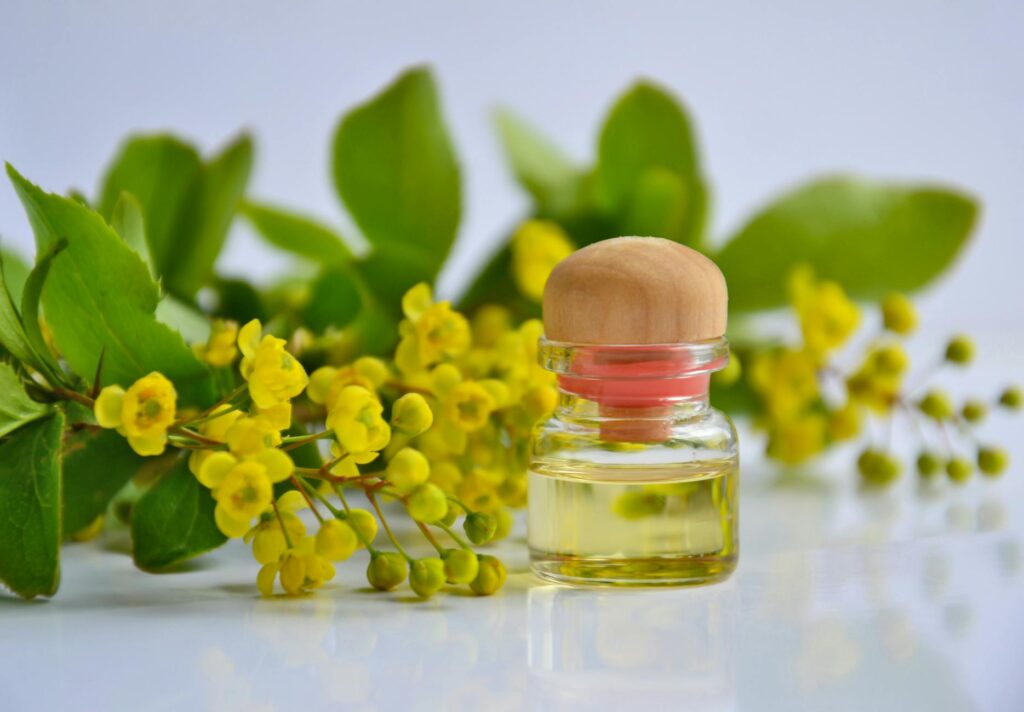
Best Ways to Use Neem Oil
Introduction
Neem oil, derived from the seeds of the Azadirachta indica tree, has been utilized for centuries in various cultures for its multifaceted properties. Known for its rich composition of fatty acids, antioxidants, and other beneficial compounds, neem oil has garnered attention in the realms of skincare, agriculture, and holistic wellness. This article delves into the nature of neem oil, its benefits, common applications, and considerations for safe usage.
What Is Neem Oil?
Neem oil is an oil extracted from the seeds of the neem tree, which is native to the Indian subcontinent and has spread to other tropical and subtropical regions. The oil has a distinct, strong odor and a yellow to brown color, often characterized by its thick, viscous consistency.
The extraction process typically involves cold-pressing the seeds, which preserves the oil’s natural properties. Neem oil contains a variety of components, including azadirachtin, nimbidin, and fatty acids, making it a complex and versatile substance.
Key Benefits and Properties
Neem oil is celebrated for several key properties that contribute to its popularity:
- Antimicrobial: Neem oil exhibits antifungal, antibacterial, and antiviral properties, making it a valuable ingredient in many natural remedies and skincare products.
- Anti-inflammatory: The oil’s anti-inflammatory attributes can help alleviate skin irritations and reduce redness.
- Insecticidal: Neem oil is widely used in organic farming as a natural pesticide, disrupting the life cycle of pests without harming beneficial insects.
- Moisturizing: Rich in fatty acids, neem oil is an excellent moisturizer that can help nourish and hydrate the skin.
- Antioxidant: The presence of antioxidants in neem oil helps combat oxidative stress, which is linked to aging and various health issues.
- Acne Treatment: Its antimicrobial properties may help reduce acne-causing bacteria.
- Eczema and Psoriasis Relief: The anti-inflammatory effects can soothe irritated skin and reduce flare-ups.
- Moisturization: As a natural emollient, it can hydrate dry skin without clogging pores.
- Combat Dandruff: Its antifungal properties can help address the underlying causes of dandruff.
- Promote Healthy Scalp: Neem oil nourishes the scalp, supporting hair growth and improving overall hair health.
- Natural Pesticide: It effectively deters pests in gardens and homes, making it a popular choice for organic farming.
- Cleaning Products: Its antimicrobial properties can enhance the efficacy of natural cleaning solutions.
- Patch Test: Conduct a patch test before using neem oil to check for any allergic reactions. Apply a small amount to a discreet area and wait 24 hours for any adverse reaction.
- Dilution: Neem oil should be diluted with a carrier oil (such as coconut or jojoba oil) before topical application to minimize skin irritation.
- Pregnancy and Nursing: Individuals who are pregnant, nursing, or have underlying health conditions should consult a qualified healthcare provider before using neem oil, as its effects in these situations are not well established.
- Temperature: Store neem oil in a cool, dark place, away from direct sunlight and heat sources.
- Container: Use an airtight, dark glass container to protect the oil from light and air exposure, which can lead to oxidation.
- Shelf Life: When stored correctly, neem oil can last up to 18 months. Always check for changes in color, odor, or consistency before use, as these may indicate spoilage.
Common Uses
Neem oil’s versatility lends itself to a wide range of applications:
1. Skincare
Neem oil is often incorporated into skincare routines due to its ability to address various skin concerns. It is commonly used for:
2. Hair Care
In hair care, neem oil is used to:
3. Household Uses
Neem oil can also be employed in household applications:
Aromatherapy Applications
While neem oil is not commonly used for direct inhalation or diffusion like other essential oils, it can still play a role in aromatherapy when combined with more fragrant essential oils. Some ways to incorporate neem oil in aromatherapy include:
1. Blending with Other Oils
When mixed with essential oils such as lavender, tea tree, or eucalyptus, neem oil can create a balanced blend that harnesses its beneficial properties while masking its strong odor.
2. Massage Oils
Incorporating neem oil into a carrier oil for massage can provide soothing benefits, particularly for those with skin conditions or inflammation.
3. Skin Care Formulations
When added to creams or lotions, neem oil can enhance the overall effectiveness of the product, providing additional antimicrobial and moisturizing benefits.
Safety Considerations
While neem oil is generally considered safe for topical use, certain precautions should be observed:
Storage and Shelf Life
Proper storage of neem oil is essential to maintain its efficacy and prevent degradation:
Frequently Asked Questions
1. Can neem oil be ingested?
Neem oil is primarily intended for topical use and should not be ingested without professional guidance. Ingesting neem oil can lead to adverse effects, including nausea and vomiting.
2. How often can I use neem oil on my skin?
For most individuals, applying diluted neem oil once or twice a day is acceptable. However, it is essential to monitor your skin’s response and adjust usage accordingly.
3. Can neem oil help with insect bites?
Neem oil’s anti-inflammatory and antimicrobial properties may provide relief from the discomfort associated with insect bites. However, it should be applied cautiously and in diluted form.
4. Is neem oil safe for pets?
Neem oil can be beneficial for pets, particularly in repelling fleas and ticks. However, it should be used in moderation and under the guidance of a veterinarian.
5. Can I use neem oil in my homemade skincare products?
Yes, neem oil can be added to homemade skincare products, but it is advisable to use it in small quantities due to its potent properties.
Conclusion
Neem oil is a powerful, versatile oil with a multitude of applications, from skincare to pest control. Understanding its properties and potential uses can help individuals incorporate it effectively into their daily routines. As with any natural product, it is crucial to use neem oil responsibly and with proper precautions to maximize its benefits. Whether you are exploring its uses for personal care, gardening, or holistic practices, neem oil offers a wealth of opportunities for those seeking natural solutions.