
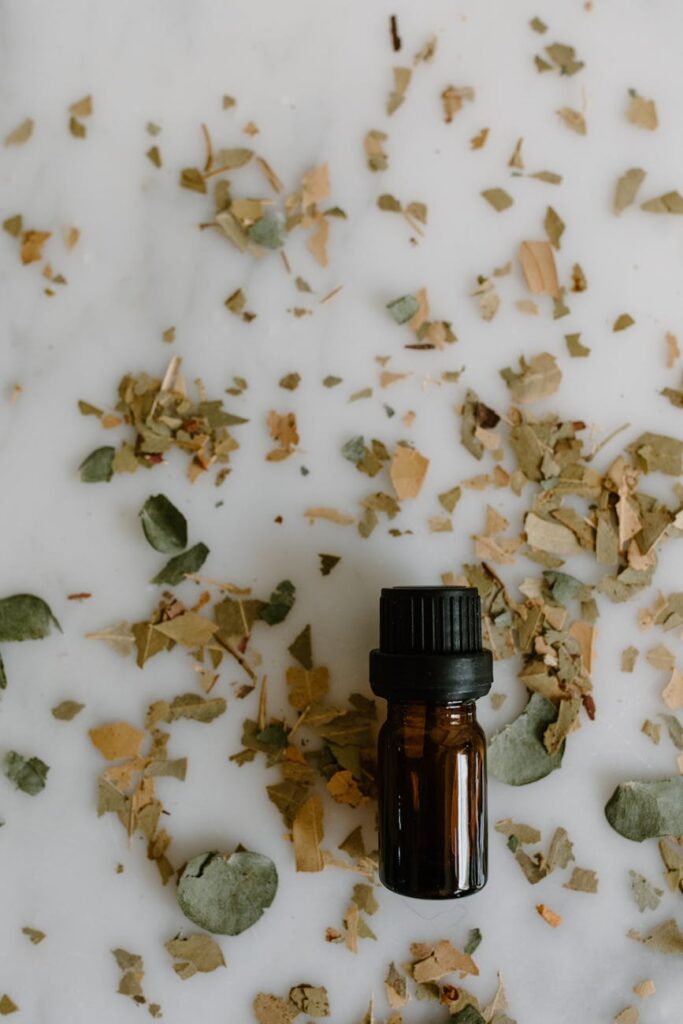
Best Ways to Use Neroli Oil
Introduction
Neroli oil, derived from the blossoms of the bitter orange tree (Citrus aurantium), has been cherished for centuries due to its captivating fragrance and numerous benefits. From its use in perfumery to its applications in aromatherapy, neroli oil is a versatile essential oil that can enhance well-being and enrich various practices. This article delves into the properties, benefits, and best ways to utilize neroli oil in your daily routine.
What Is Neroli Oil?
Neroli oil is an essential oil extracted from the delicate white flowers of the bitter orange tree. The oil is typically obtained through steam distillation, a method that preserves the delicate scent and therapeutic properties of the blossoms. Known for its sweet, floral, and citrusy aroma, neroli oil is often used in perfumes, skincare products, and aromatherapy.
Historically, neroli oil has roots in various cultures, particularly in regions like Italy and Morocco, where it has been used for centuries in both traditional medicine and culinary applications. Today, neroli is a popular ingredient in numerous products, appealing to those seeking natural solutions for relaxation and rejuvenation.
Key Benefits and Properties
Neroli oil is renowned for its unique composition, which includes a variety of beneficial compounds such as linalool, limonene, and alpha-pinene. These components contribute to the oil’s array of benefits:
1. Mood Enhancement: The uplifting scent of neroli oil is known to promote feelings of happiness and reduce anxiety. It is often used to alleviate stress and improve overall mood.
2. Skin Care: Neroli oil is celebrated for its skin-enhancing properties. It may help reduce the appearance of scars, stretch marks, and uneven skin tone, making it a popular choice in skincare formulations.
3. Antimicrobial Properties: Some studies suggest that neroli oil possesses antimicrobial qualities, which may help in maintaining skin health and supporting the body’s natural defenses.
4. Antioxidant Effects: The oil’s antioxidant properties can help combat oxidative stress, contributing to overall health and wellness.
5. Relaxation and Sleep Aid: Due to its calming effects, neroli oil is often used in aromatherapy to promote relaxation and improve sleep quality.
Common Uses
Neroli oil can be used in various ways, integrating seamlessly into daily routines. Here are some common applications:
1. Skincare
Neroli oil can be added to carrier oils, creams, or lotions to boost their skin-enhancing properties. When diluted appropriately, it can be applied directly to the skin to help improve the appearance of blemishes and fine lines.
2. Home Fragrance
Neroli oil can be used in diffusers or oil burners to create a calming atmosphere. Its sweet and floral scent can transform a space, making it ideal for relaxation or meditation.
3. Bathing Rituals
Adding a few drops of neroli oil to bath water can enhance the bathing experience. The oil’s soothing aroma can create a spa-like atmosphere, promoting relaxation after a long day.
4. Massage
Diluted in a carrier oil, neroli oil can be used for massage. Its calming properties may help soothe sore muscles and provide a sense of well-being.
5. Perfumery
Neroli oil is a popular component in many perfumes due to its unique fragrance. It can be blended with other essential oils or used as a base note in custom fragrance formulations.
Aromatherapy Applications
Aromatherapy is one of the most popular ways to use neroli oil. Here are some effective methods for incorporating neroli oil into your aromatherapy practice:
1. Diffusion
Using a diffuser is an excellent way to enjoy the benefits of neroli oil. Add a few drops to your diffuser along with water, and let the calming scent fill your space. This method is particularly beneficial for creating a tranquil environment.
2. Inhalation
For a quick mood boost, you can inhale neroli oil directly from the bottle or place a few drops on a cotton ball and breathe in the aroma. This method can provide immediate relief from stress or anxiety.
3. Topical Application
When diluted with a carrier oil, neroli oil can be applied to pulse points (like wrists and temples) for a subtle yet effective aromatherapy experience throughout the day. Always conduct a patch test before applying to larger areas.
4. Bathing
Incorporating neroli oil into your bathing routine can enhance relaxation. Add a few drops to your bathwater, or mix it with a carrier oil before adding it to the tub to prevent skin irritation.
5. Massage Blends
Combining neroli oil with a carrier oil for a massage blend can help ease tension and promote relaxation. This method allows the benefits of both the oil and the touch to work synergistically.
Safety Considerations
While neroli oil is generally considered safe for most people when used appropriately, it is essential to follow some safety guidelines:
1. Dilution: Always dilute neroli oil with a carrier oil before applying it to the skin. A common dilution ratio is 2-3 drops of essential oil per teaspoon of carrier oil.
2. Patch Test: Conduct a patch test on a small area of skin before using the oil more broadly. This step helps identify any potential allergic reactions.
3. Pregnancy and Nursing: Pregnant or nursing individuals should consult with a healthcare professional before using neroli oil.
4. Allergies and Sensitivities: If you have known allergies to citrus fruits, exercise caution when using neroli oil, as it could trigger a reaction.
5. Storage: Store neroli oil in a cool, dark place to preserve its potency and prevent degradation.
Storage and Shelf Life
Proper storage of neroli oil is crucial to maintaining its quality and effectiveness. Here are some tips:
- Container: Store neroli oil in a dark glass bottle to protect it from light exposure, which can degrade the oil over time.
- Temperature: Keep the oil in a cool place, away from direct sunlight and heat sources.
- Shelf Life: When stored correctly, neroli oil typically has a shelf life of around 1-2 years. However, it is best to check for any changes in color, smell, or viscosity before use.
Frequently Asked Questions
Q1: Can neroli oil be used in cooking?
A: Although neroli oil has a pleasant flavor, it is primarily used for aromatic and topical applications. Culinary use should be approached with caution, and it is advisable to use food-grade essential oils if you choose to explore this avenue.
Q2: Is neroli oil safe for children?
A: While neroli oil is generally safe for adults, it is recommended to consult with a healthcare professional before using it on children. Dilution is especially important for younger skin.
Q3: How can I identify high-quality neroli oil?
A: High-quality neroli oil should be 100% pure, organic, and distilled from the blossoms of the bitter orange tree. Look for certifications and reputable brands when purchasing.
Q4: Can neroli oil help with stress and anxiety?
A: Many people find that the aroma of neroli oil has a calming effect, potentially helping to alleviate feelings of stress and anxiety. However, individual experiences may vary.
Q5: What are the best carrier oils to mix with neroli oil?
A: Common carrier oils that pair well with neroli oil include sweet almond oil, jojoba oil, and coconut oil. Choose a carrier oil based on your skin type and personal preference.
Conclusion
Neroli oil is a fragrant and versatile essential oil with a myriad of applications in skincare, aromatherapy, and beyond. Its unique properties make it a valuable addition to any wellness routine. By understanding how to use neroli oil safely and effectively, you can harness its benefits to enhance your overall well-being and enrich your daily practices. Whether diffused in a calming environment or blended into a luxurious skincare product, neroli oil offers a delightful sensory experience that nurtures both body and mind.