
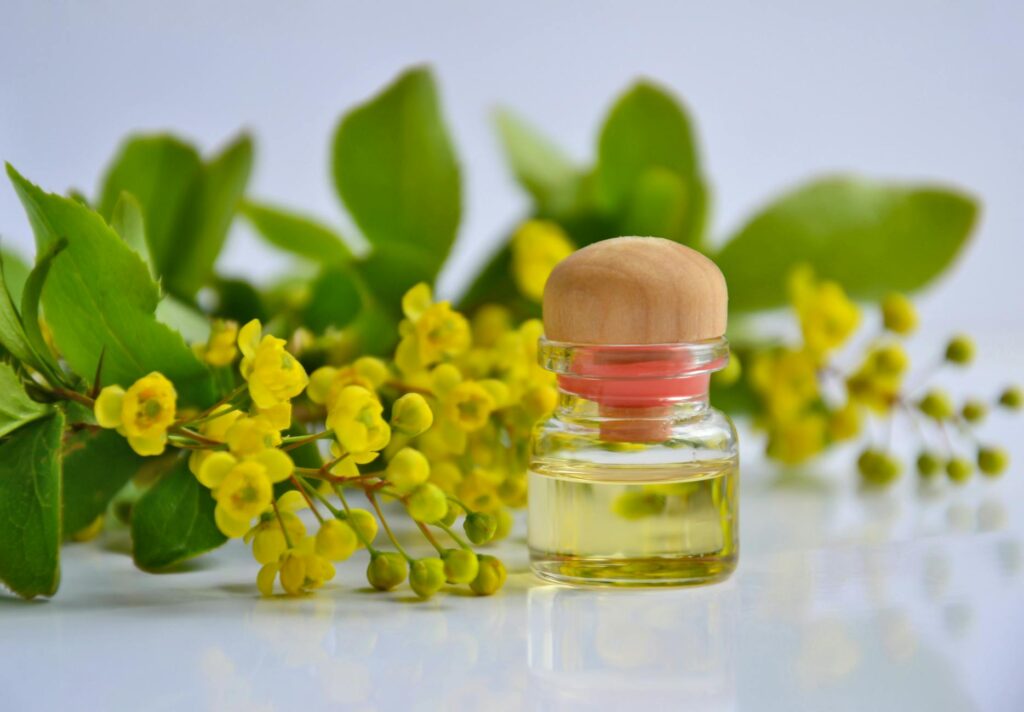
Best Ways to Use Niaouli Oil
Introduction
Essential oils have gained popularity in recent years for their diverse applications in wellness, beauty, and household care. Among these oils, niaouli oil stands out for its unique properties and versatility. This article delves into the various aspects of niaouli oil, including its benefits, common uses, and the best practices for incorporating it into your daily routine.
What Is Niaouli Oil?
Niaouli oil is derived from the leaves of the Melaleuca quinquenervia tree, a member of the myrtle family. Native to Australia, this evergreen tree is often found in swampy regions and is known for its aromatic foliage. The oil is extracted through steam distillation, resulting in a clear to pale yellow liquid with a fresh, camphoraceous scent.
Niaouli oil is sometimes confused with tea tree oil due to their similar origins and overlapping properties. However, niaouli oil possesses distinct characteristics that make it suitable for various applications.
Key Benefits and Properties
Niaouli oil is celebrated for its myriad benefits, primarily due to its rich composition of active compounds. Here are some of its key properties:
1. Antiseptic: Niaouli oil has antibacterial and antifungal properties, making it a popular choice for skin care and wound healing.
2. Anti-inflammatory: The oil is known to reduce inflammation, which can be beneficial for soothing irritated skin or muscles.
3. Expectorant: Niaouli oil can help clear respiratory passages, making it useful for individuals experiencing congestion or respiratory issues.
4. Analgesic: It can provide relief from minor aches and pains, acting as a natural pain reliever.
5. Stimulating: The oil is said to have uplifting properties that can enhance mood and mental clarity.
Common Uses
Niaouli oil can be applied in various ways, each harnessing its unique properties. Some of the most common uses include:
1. Skin Care: Due to its antiseptic properties, niaouli oil can be used in formulations for acne treatment, cuts, and other skin irritations. It is often blended with carrier oils or lotions before application to ensure safe usage.
2. Aromatherapy: The oil’s refreshing scent makes it ideal for diffusing, promoting relaxation and mental clarity.
3. Massage: When diluted with a carrier oil, niaouli oil can be employed in therapeutic massages to alleviate muscle tension and stress.
4. Inhalation: Adding a few drops to a bowl of hot water can create a steam inhalation therapy that helps clear nasal passages.
5. Household Cleaner: Its antibacterial properties make niaouli oil a suitable ingredient in homemade cleaning solutions.
Aromatherapy Applications
Aromatherapy leverages the aromatic properties of essential oils to enhance physical and emotional well-being. Niaouli oil can be incorporated into various aromatherapy practices:
1. Diffusion: Using a diffuser, you can disperse niaouli oil into the air. This not only fills your space with its refreshing aroma but may also create a calming atmosphere.
2. Blending: Niaouli oil blends well with other essential oils such as eucalyptus, lavender, and tea tree. These combinations can amplify its benefits, particularly in respiratory support or relaxation.
3. Bathing: Adding niaouli oil to bathwater can create a soothing and aromatic experience. Ensure that you mix it with a carrier oil or bath salt to prevent skin irritation.
4. Inhalation: For respiratory support, you can add a few drops of niaouli oil to a bowl of hot water or a personal inhaler. Inhale deeply for a few minutes to enjoy its benefits.
5. Topical Applications: When diluted, niaouli oil can be applied to pulse points or areas of discomfort to benefit from its aromatic and therapeutic effects.
Safety Considerations
While niaouli oil is generally recognized as safe for most individuals, certain precautions should be observed:
1. Dilution: Always dilute essential oils with a carrier oil before applying them to the skin. A common ratio is 2-3 drops of essential oil per teaspoon of carrier oil.
2. Patch Test: Conduct a patch test before widespread application to check for any allergic reactions or skin sensitivities.
3. Pregnancy and Nursing: Pregnant or nursing individuals should consult a healthcare professional before using essential oils.
4. Children and Pets: Use caution when applying essential oils around children and pets. Some oils may not be suitable for them.
5. Storage: Store niaouli oil in a cool, dark place, away from direct sunlight, to maintain its potency and prevent degradation.
Storage and Shelf Life
The shelf life of niaouli oil can vary depending on storage conditions. Typically, when stored properly in a dark glass bottle and kept away from heat and light, niaouli oil can last for 2-3 years. Always check for changes in smell, color, or consistency before use, as these may indicate that the oil has degraded.
Frequently Asked Questions
1. Can I use niaouli oil for all skin types?
Niaouli oil is generally well-tolerated by most skin types; however, those with sensitive skin should perform a patch test prior to use. If any irritation occurs, discontinue use immediately.
2. Is niaouli oil safe for children?
While niaouli oil can be used safely with children, it is advisable to consult a healthcare provider for specific recommendations based on age and health conditions.
3. How can I incorporate niaouli oil into my daily routine?
Niaouli oil can be used in skincare routines, added to baths, diffused in living spaces, or included in natural cleaning solutions. Its versatility allows for various applications depending on your personal preferences.
4. Can niaouli oil help with respiratory issues?
Niaouli oil’s expectorant properties may help in clearing congestion and promoting respiratory health. However, it is essential to consult a healthcare professional for persistent respiratory issues.
5. How do I choose a quality niaouli oil?
To ensure you are purchasing high-quality niaouli oil, look for products that are 100% pure, preferably organic, and sourced from reputable suppliers. Check for third-party testing and certifications to verify the oil’s quality.
Conclusion
Niaouli oil offers a rich array of benefits and applications, making it a valuable addition to the collection of essential oils. Whether used in skincare, aromatherapy, or household cleaning, its unique properties can enhance your wellness routine. Always remember to handle essential oils with care, adhering to safety guidelines to fully enjoy the benefits of niaouli oil.