
Best Ways to Use Pecan Oil
Introduction
Pecan oil, derived from the nuts of the pecan tree (Carya illinoinensis), is an increasingly popular oil that boasts a range of culinary and therapeutic applications. Known for its rich flavor and numerous health benefits, pecan oil has garnered attention not only in kitchens but also in the fields of skincare and aromatherapy. This article explores the characteristics of pecan oil, its benefits, common uses, and safety considerations, providing a comprehensive guide for those interested in incorporating this versatile oil into their lives.
What Is Pecan Oil?
Pecan oil is a light, golden-colored oil extracted from the nuts of the pecan tree, which is native to North America. The extraction process typically involves cold-pressing, which preserves the oil’s nutritional and flavor qualities. With a mild, buttery flavor reminiscent of its nutty origins, pecan oil is widely used in cooking and baking. Its high smoke point makes it suitable for various culinary techniques, including sautéing and frying.
In addition to its culinary uses, pecan oil is increasingly recognized for its skincare benefits. Rich in essential fatty acids, antioxidants, and vitamins, pecan oil is gaining traction in natural beauty and wellness circles.
Key Benefits and Properties
Pecan oil is known for its unique composition of nutrients, which contribute to its many benefits:
1. Rich in Nutrients: Pecan oil is high in monounsaturated fats, particularly oleic acid, which is beneficial for heart health. It also contains essential fatty acids, vitamin E, and zinc.
2. Antioxidant Properties: The oil contains various antioxidants, which help combat oxidative stress in the body. This property is particularly beneficial for skin health.
3. Moisturizing Agent: Due to its emollient properties, pecan oil can help hydrate and nourish the skin, making it a popular ingredient in natural skincare formulations.
4. Anti-Inflammatory Effects: Some studies suggest that the components in pecan oil may help reduce inflammation, although further research is needed to confirm these effects.
5. Flavor Enhancement: Its unique flavor profile enhances a variety of dishes, making it a favorite among chefs and home cooks alike.
Common Uses
Culinary Applications
Pecan oil’s versatility shines in the kitchen. Here are some common culinary applications:
- Salad Dressings: Use pecan oil as a base for salad dressings. Its nutty flavor pairs beautifully with vinegar and herbs.
- Cooking and Sautéing: With a high smoke point of around 450°F (232°C), pecan oil is ideal for sautéing vegetables, frying proteins, or drizzling over roasted dishes.
- Baking: The oil can be used in baked goods, imparting a subtle nutty flavor to cakes, muffins, and bread.
- Finishing Oil: Drizzle pecan oil over finished dishes, such as grilled meats or roasted vegetables, for an added layer of flavor.
- Moisturizers: It can be used as a standalone moisturizer or as an ingredient in creams and lotions, providing hydration without a greasy residue.
- Massage Oil: Its smooth texture makes pecan oil a suitable choice for massage therapy, helping to facilitate glide and reduce friction on the skin.
- Hair Care: Pecan oil can be used as a hair conditioner, providing moisture and shine while helping to tame frizz.
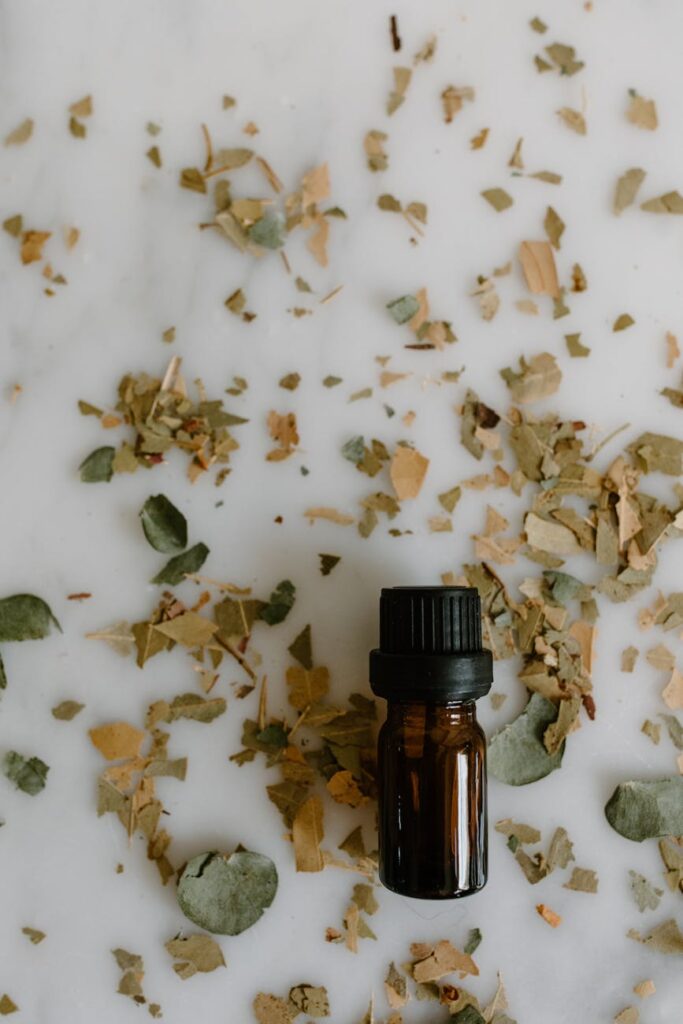
- Container: Store pecan oil in a dark glass bottle to protect it from light degradation. Alternatively, a tightly sealed stainless steel container can also work.
- Temperature: Keep the oil in a refrigerator or a cool pantry to help slow down oxidation and rancidity.
- Shelf Life: When stored correctly, pecan oil can last up to 12 months. Always check for any off odors or changes in color before use, as these may indicate spoilage.
Skincare Applications
Pecan oil is increasingly found in natural skincare products. Its applications include:
Aromatherapy Applications
While pecan oil is primarily recognized for its culinary and skincare benefits, it can also play a role in aromatherapy, particularly when blended with essential oils. Here are some ways to incorporate it into your aromatherapy practices:
1. Carrier Oil: Pecan oil serves as an excellent carrier oil for diluting essential oils. Its light texture makes it easy to mix with potent essential oils, allowing for safe topical application.
2. Blending with Essential Oils: Combine pecan oil with essential oils like lavender, eucalyptus, or citrus oils to create personalized blends for relaxation, energy, or mood enhancement.
3. Diffusion: While pecan oil is not typically used in diffusers, it can be mixed with essential oils in a carrier for topical applications after diffusion for added skin benefits.
4. Bath Soaks: Add pecan oil to bath water along with essential oils for a nourishing and aromatic experience that hydrates the skin.
Safety Considerations
While pecan oil is generally safe for most people, there are several safety considerations to keep in mind:
1. Allergies: Individuals with nut allergies should avoid pecan oil, as it may trigger allergic reactions similar to those caused by eating pecans.
2. Patch Test: When using pecan oil topically, it is advisable to perform a patch test on a small area of skin first. This helps identify any potential allergic reactions or sensitivities.
3. Storage: To maintain its quality, pecan oil should be stored in a cool, dark place, away from direct sunlight and heat.
4. Consultation: If you are pregnant, nursing, or have specific health concerns, it is advisable to consult with a healthcare professional before incorporating new oils into your diet or skincare routine.
Storage and Shelf Life
Proper storage is essential to prolong the shelf life of pecan oil. Here are some tips:
Frequently Asked Questions
1. Can I use pecan oil for cooking at high temperatures?
Yes, pecan oil has a high smoke point of around 450°F (232°C), making it suitable for various cooking methods, including frying and sautéing.
2. Is pecan oil safe for people with nut allergies?
Pecan oil can potentially trigger allergic reactions in individuals with nut allergies. It is advisable to consult with a healthcare provider if you have concerns.
3. How can pecan oil be incorporated into skincare routines?
Pecan oil can be applied directly to the skin as a moisturizer, used in massage, or added to homemade skincare products.
4. Can pecan oil be used in aromatherapy?
While pecan oil is not commonly used on its own in diffusers, it can serve as a carrier oil for essential oils. It can also be added to bath water for a nourishing experience.
5. How should pecan oil be stored?
Store pecan oil in a cool, dark place, preferably in a dark glass bottle or a tightly sealed stainless steel container to extend its shelf life.
Conclusion
Pecan oil is a remarkable oil that offers a plethora of culinary and therapeutic benefits. Whether you are using it to enhance your meals, nourish your skin, or explore its applications in aromatherapy, pecan oil is a versatile addition to any pantry or beauty regimen. With its rich flavor and beneficial properties, pecan oil is more than just a cooking oil; it is a valuable asset to a balanced, health-conscious lifestyle. As with any product, understanding its characteristics and proper usage will help you make the most of this unique oil.