
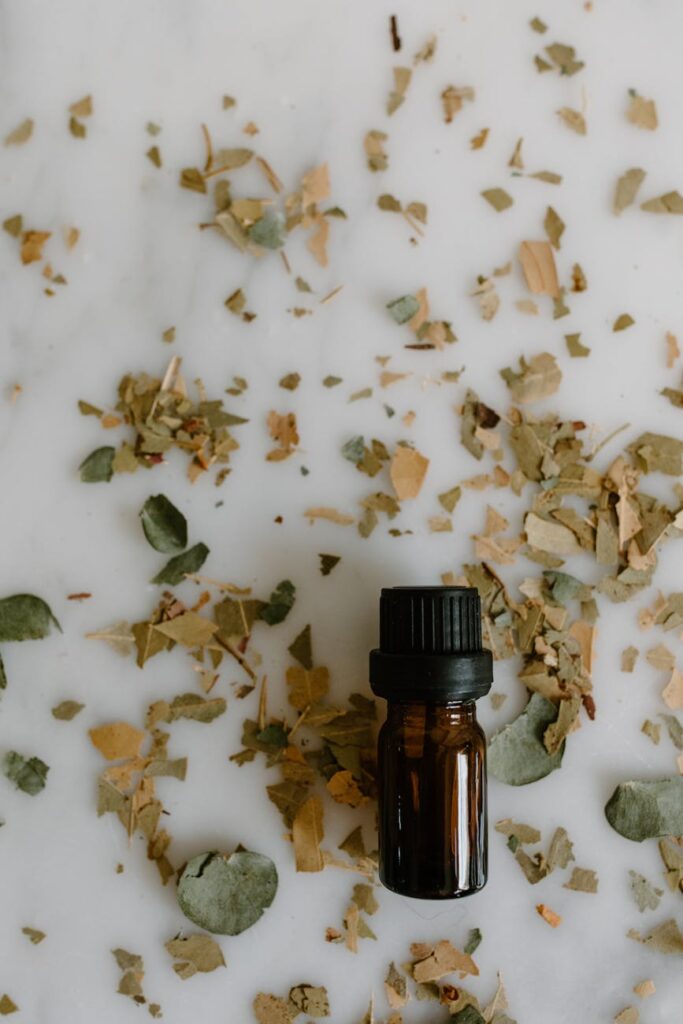
Best Ways to Use Petitgrain Oil
Introduction
Petitgrain oil, an essential oil derived from the leaves and twigs of the bitter orange tree (Citrus aurantium), is a versatile and aromatic oil treasured in the realms of aromatherapy and holistic wellness. Known for its fresh, floral, and slightly woody scent, petitgrain oil has been utilized for centuries in various applications, from perfumery to skincare. This article explores the characteristics, benefits, and various methods of using petitgrain oil, allowing you to appreciate its unique qualities and integrate it into your daily life.
What Is Petitgrain Oil?
Petitgrain oil is extracted through steam distillation from the young twigs, leaves, and sometimes the orange blossoms of the bitter orange tree. Originating from regions such as Brazil, Paraguay, and Tunisia, this essential oil boasts a rich history in traditional practices. The name “petitgrain” translates to “little grain” in French, referring to the small, unripe fruits from which the oil was originally distilled.
The oil has a light yellow to greenish hue and possesses a fresh, citrusy aroma, making it a popular choice in perfumery and aromatherapy. Petitgrain oil is often considered more subtle than its citrus counterparts, such as orange or lemon, offering a balanced, calming scent profile.
Key Benefits and Properties
Petitgrain oil is celebrated for its numerous benefits and therapeutic properties. Some of the key attributes include:
1. Calming Effects
Petitgrain oil is frequently used for its calming properties. Its soothing aroma can help reduce feelings of stress and anxiety, promoting relaxation and emotional well-being.
2. Antimicrobial Properties
Research suggests that petitgrain oil may possess antimicrobial properties, making it a useful addition to natural cleaning products and skincare formulations.
3. Mood Enhancer
The uplifting scent of petitgrain oil can help improve mood and alleviate feelings of fatigue, making it a popular choice in aromatherapy for enhancing overall emotional health.
4. Skin Care Benefits
Petitgrain oil may help to balance oily skin and reduce the appearance of blemishes, making it an excellent choice for natural skincare routines.
5. Digestive Support
While not a substitute for medical treatment, some individuals find that the aroma of petitgrain oil can assist in easing digestive discomfort.
Common Uses
Petitgrain oil’s versatility allows it to be used in various ways:
1. Aromatherapy
Utilized in diffusers or inhalers, petitgrain oil can help create a calming environment. Its refreshing scent can uplift the mood and promote a sense of tranquility.
2. Massage Oil
When diluted with a carrier oil, petitgrain oil can be used for massage, providing both aromatic benefits and skin nourishment.
3. Skincare Products
Incorporating petitgrain oil into creams, lotions, or serums can enhance their aromatic properties while offering potential benefits for the skin.
4. Natural Cleaning Products
Due to its antimicrobial qualities, petitgrain oil can be added to homemade cleaning solutions for a refreshing scent and added cleaning power.
5. Perfume Blending
Petitgrain oil is a favored ingredient in natural perfumery due to its unique scent profile. It blends well with other essential oils, creating complex and invigorating fragrances.
Aromatherapy Applications
In the field of aromatherapy, petitgrain oil is celebrated for its calming and uplifting properties. Here are some effective ways to incorporate petitgrain oil into your aromatherapy practices:
1. Diffusion
Adding a few drops of petitgrain oil to a diffuser can fill a room with its soothing scent. This method is particularly effective for creating a peaceful atmosphere during meditation or relaxation sessions.
2. Inhalation
Inhaling the aroma directly from the bottle or using a personal inhaler can provide immediate relief from stress and anxiety. Simply take a few deep breaths while holding the bottle close to your nose.
3. Topical Application
When blended with a carrier oil, petitgrain oil can be applied to pulse points like the wrists, neck, or temples. This method allows for the benefits of aromatherapy to be experienced throughout the day.
4. Bathing
Adding a few drops of petitgrain oil to a warm bath can create a soothing and aromatic experience, helping to relieve tension and promote relaxation.
5. Sleep Aid
Using petitgrain oil in a diffuser or applying it to your pillow before bedtime may help improve sleep quality by creating a calming environment.
Safety Considerations
While petitgrain oil is generally considered safe for use, there are several precautions to keep in mind:
1. Dilution
Essential oils are highly concentrated and should not be applied directly to the skin without proper dilution. It is recommended to mix petitgrain oil with a carrier oil, such as jojoba or coconut oil, before topical application.
2. Sensitivity Testing
Before using petitgrain oil, especially for the first time, perform a patch test to check for any allergic reactions or skin sensitivities. Apply a diluted drop to a small area of skin and wait 24 hours for any adverse reactions.
3. Pregnancy and Nursing
Pregnant or nursing individuals should consult with a qualified healthcare provider before using essential oils, including petitgrain oil.
4. Interactions with Medications
If you are taking medications or have underlying health conditions, it is advisable to consult with a healthcare professional before incorporating petitgrain oil into your routine.
Storage and Shelf Life
To maintain the quality and efficacy of petitgrain oil, proper storage is essential:
1. Storage Conditions
Store petitgrain oil in a cool, dark place, away from direct sunlight and heat sources. Keeping the oil in its original, tightly sealed bottle will help preserve its properties.
2. Shelf Life
When stored correctly, petitgrain oil can last for approximately two to three years. However, it is important to check for any changes in color, scent, or consistency, which may indicate that the oil has gone rancid.
Frequently Asked Questions
1. Can I use petitgrain oil on my skin?
Yes, petitgrain oil can be used on the skin when properly diluted with a carrier oil. It is advisable to perform a patch test first to ensure there are no sensitivities.
2. Is petitgrain oil safe for children?
While petitgrain oil can be used with children, it is essential to consult with a qualified healthcare provider for appropriate dilution ratios and age recommendations.
3. How can petitgrain oil benefit my mental wellness?
The calming and uplifting properties of petitgrain oil can help reduce stress and anxiety, promoting emotional balance and well-being when used in aromatherapy practices.
4. Can I mix petitgrain oil with other essential oils?
Yes, petitgrain oil blends well with various essential oils such as lavender, bergamot, and ylang-ylang. Experimenting with blends can create unique aromatic experiences.
5. What is the best way to use petitgrain oil for relaxation?
Using a diffuser to disperse petitgrain oil in a room or adding it to a warm bath are effective methods for promoting relaxation and stress relief.
Conclusion
Petitgrain oil is a remarkable essential oil with a variety of applications and benefits. From its calming aroma to its potential skincare advantages, this oil is a valuable addition to any wellness routine. By understanding its properties, uses, and safety considerations, you can effectively harness the power of petitgrain oil to enhance your daily life. Remember to always use essential oils responsibly and consult with professionals when necessary to maximize their benefits.