
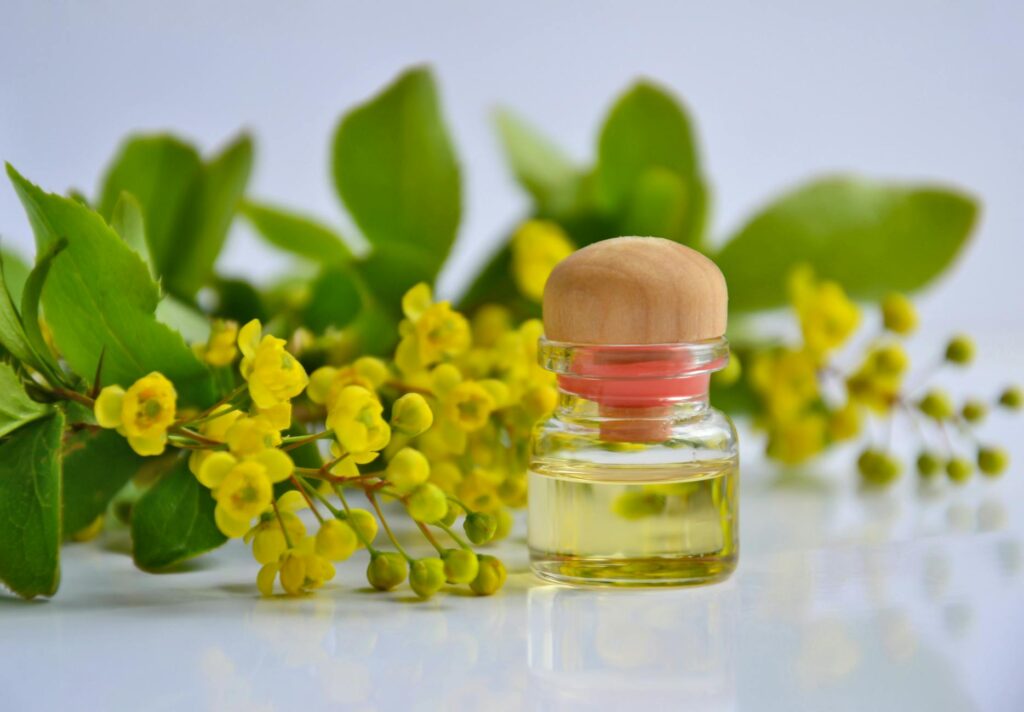
Best Ways to Use Poppy Seed Oil
Introduction
Poppy seed oil, derived from the seeds of the opium poppy (Papaver somniferum), is a lesser-known but highly versatile oil that has been used for centuries in various cultures for its culinary and therapeutic properties. This oil is not only celebrated for its unique flavor in the kitchen but also for its rich nutrient profile and potential benefits for skin and hair care. In this article, we will explore what poppy seed oil is, its key properties, common uses, applications in aromatherapy, safety considerations, and storage tips.
What Is Poppy Seed Oil?
Poppy seed oil is extracted from the small, black or gray seeds of the opium poppy plant. The extraction process typically involves cold pressing, which retains the oil’s natural properties and flavor. The oil has a light, nutty aroma and flavor, making it a popular choice in various culinary applications, particularly in Mediterranean and Indian cuisines.
The oil is rich in unsaturated fatty acids, particularly linoleic acid (omega-6) and oleic acid (omega-9), along with a variety of vitamins and minerals. Its unique composition makes it suitable for both internal and external use.
Key Benefits and Properties
Poppy seed oil boasts several beneficial properties, making it a valuable addition to both dietary and topical applications. Some of its key benefits include:
1. Nutritional Profile: Poppy seed oil is high in essential fatty acids that are crucial for maintaining overall health. These fatty acids help support cardiovascular health and may promote healthy skin.
2. Skin Hydration: The oil is known for its emollient properties, making it an excellent moisturizer for dry skin. It can help restore the skin’s natural barrier and retain moisture.
3. Anti-Inflammatory Properties: Poppy seed oil contains compounds that may help reduce inflammation, making it beneficial for soothing irritated or sensitive skin.
4. Antioxidant Content: The oil is rich in antioxidants, which help combat oxidative stress and protect the skin from environmental damage.
5. Hair Care: Poppy seed oil can nourish and condition hair, promoting shine and reducing breakage.
Common Uses
Poppy seed oil can be utilized in various ways, including:
Culinary Applications
- Salad Dressings: The light, nutty flavor makes it an excellent choice for salad dressings. Combine it with vinegar or lemon juice for a delightful dressing.
- Cooking Oil: Poppy seed oil has a high smoke point, making it suitable for sautéing and frying. It can be used in various dishes, including stir-fries and baked goods.
- Baking: Use it in baked goods like muffins or cakes to impart a subtle, nutty flavor.
- Moisturizers: Incorporate poppy seed oil into lotions and creams for enhanced hydration and nourishment.
- Massage Oil: Its smooth texture makes it an excellent base for massage oils, providing a soothing and relaxing experience.
- Hair Treatments: Use it as a hair oil to moisturize and condition dry hair, or mix it with essential oils for a scalp treatment.
- Dilution: Mix poppy seed oil with essential oils like lavender, chamomile, or eucalyptus to create a calming blend suitable for massage or skincare.
- Personal Blends: Create your own aromatherapy blends by combining essential oils with poppy seed oil in a roller bottle for easy application.
- Cool, Dark Place: Store the oil in a cool, dark place away from direct sunlight and heat to prevent oxidation and rancidity.
- Airtight Container: Keep the oil in a sealed, airtight container to minimize exposure to air, which can degrade the oil over time.
- Shelf Life: Poppy seed oil typically has a shelf life of about 6 to 12 months when stored properly. Always check for rancidity or off smells before use.
Cosmetic Applications
Aromatherapy Applications
While poppy seed oil is not commonly used as an essential oil in aromatherapy, it can serve as a carrier oil for diluting essential oils for topical application. Here’s how to effectively incorporate it into your aromatherapy practice:
Carrier Oil for Essential Oils
Diffusion
Although poppy seed oil itself does not have a strong aromatic profile, it can be used in combination with essential oils in a diffuser blend to enhance the overall experience.
Safety Considerations
While poppy seed oil is generally considered safe for most people, there are a few considerations to keep in mind:
1. Allergies: Individuals with a known allergy to poppy seeds or related plants should avoid using poppy seed oil.
2. Pregnancy and Breastfeeding: Although poppy seed oil is generally safe, it is recommended that pregnant or breastfeeding individuals consult a healthcare provider before using it.
3. Quality and Purity: Always choose high-quality, cold-pressed poppy seed oil from reputable sources to ensure purity and avoid potential contaminants.
4. Patch Test: Before applying poppy seed oil topically, it is advisable to conduct a patch test to check for any adverse reactions.
Storage and Shelf Life
Proper storage is essential to maintain the quality and longevity of poppy seed oil. Here are some tips:
Frequently Asked Questions
Is poppy seed oil safe for cooking?
Yes, when used in moderation, poppy seed oil is safe for cooking and can enhance the flavor of various dishes.
Can I use poppy seed oil on my skin?
Poppy seed oil is commonly used in skincare products and can be applied topically. It is moisturizing and may benefit dry or irritated skin.
How do I use poppy seed oil for hair care?
Poppy seed oil can be applied directly to the hair or mixed with other oils for a nourishing treatment. It can help condition and add shine to dry hair.
Is poppy seed oil suitable for aromatherapy?
While not an essential oil itself, poppy seed oil can be used as a carrier oil for diluting essential oils for topical applications or massage.
Where can I buy poppy seed oil?
Poppy seed oil can be found in health food stores, specialty grocery stores, or online retailers. Look for cold-pressed varieties for the best quality.
Conclusion
Poppy seed oil is a versatile oil with a rich history of culinary and therapeutic use. Its unique flavor and numerous benefits make it an excellent addition to both your kitchen and skincare routine. Whether you’re looking to enhance your meals, nourish your skin, or condition your hair, poppy seed oil offers a wealth of possibilities. As always, ensure you choose high-quality oil and conduct any necessary safety precautions to enjoy its full benefits.