
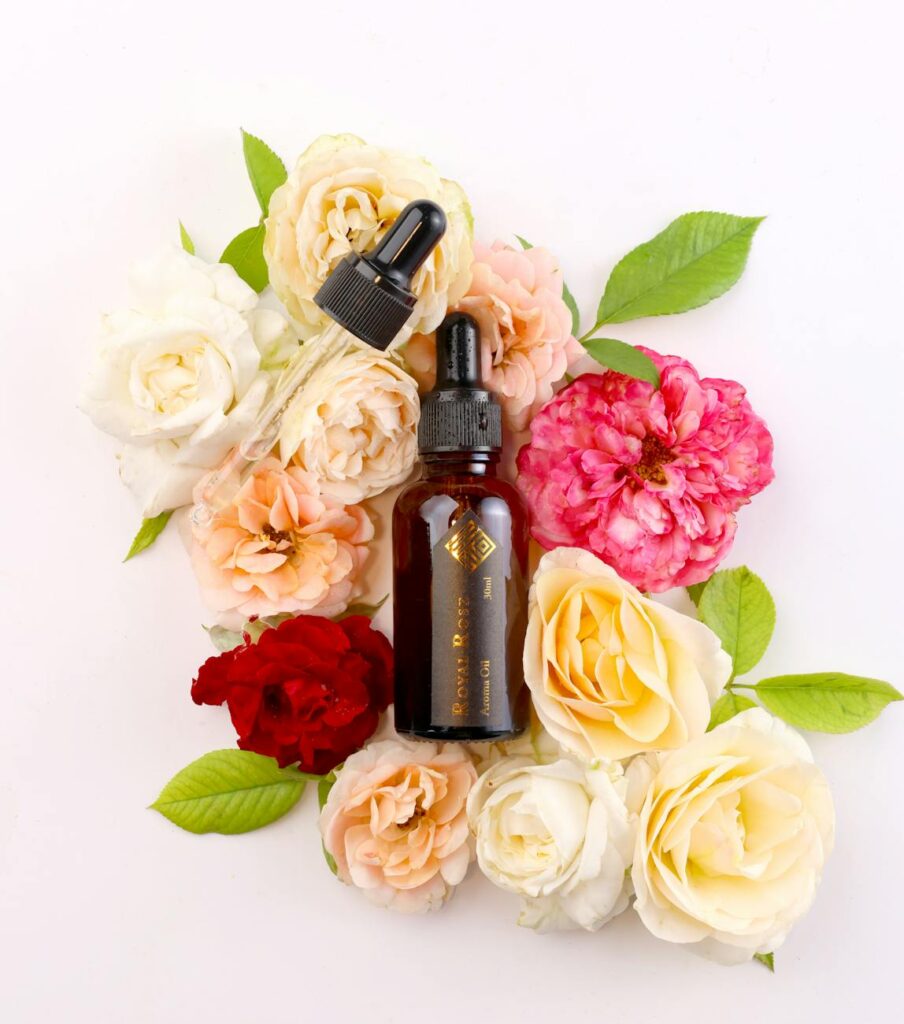
Best Ways to Use Rose Oil
Introduction
Rose oil, derived from the petals of the Rosa damascena (Damask rose) or Rosa centifolia (Cabbage rose), has been cherished for centuries for its captivating fragrance and numerous benefits. This essential oil is a staple in aromatherapy and personal care, celebrated not only for its alluring scent but also for its potential therapeutic properties. In this article, we will explore what rose oil is, its benefits, common uses, applications in aromatherapy, safety considerations, storage tips, and frequently asked questions.
What Is Rose Oil?
Rose oil is an essential oil obtained through steam distillation or solvent extraction from the petals of the rose plant. The process of producing rose oil is intricate and labor-intensive, often requiring thousands of rose petals to yield just a small amount of oil. The resulting oil possesses a rich, floral aroma that is both calming and uplifting, making it a popular choice in perfumes and personal care products.
There are several types of rose oil, with rose absolute and rose essential oil being the most common. Rose absolute is typically extracted using a solvent and is often used in perfumery, while rose essential oil is more concentrated and is favored in aromatherapy.
Key Benefits and Properties
Rose oil is renowned for its diverse array of benefits and properties, which include:
1. Emotional Well-Being: The soothing aroma of rose oil is believed to have calming effects on the mind and emotions. It is often used to reduce feelings of anxiety, depression, and stress.
2. Skin Care: Rose oil is known for its moisturizing and anti-inflammatory properties. It is often incorporated into skincare products to help soothe irritated skin, reduce redness, and promote a healthy complexion.
3. Antioxidant Properties: Rose oil contains various compounds that are thought to have antioxidant properties, helping to protect the skin from free radical damage.
4. Hormonal Balance: Some studies suggest that rose oil may help in balancing hormones and alleviating menstrual discomfort.
5. Antimicrobial Effects: Rose oil has been found to possess mild antimicrobial properties, making it a popular choice in natural cleaning products and personal care formulations.
Common Uses
Rose oil can be used in a variety of ways, each taking advantage of its unique properties. Here are some common uses:
- Perfume: Due to its rich and appealing scent, rose oil is often used in the formulation of perfumes and fragrant products.
- Skin Care: It can be added to creams, lotions, and serums to enhance skin hydration and promote a youthful appearance.
- Bath Products: Rose oil is a favored ingredient in bath oils and salts, providing a relaxing and aromatic experience.
- Massage Oil: Blending rose oil with a carrier oil makes it an excellent choice for massage, promoting relaxation and enhancing the sensory experience.
Aromatherapy Applications
Aromatherapy is one of the most popular fields for the use of rose oil. Here are several effective applications:
1. Diffusion
Using a diffuser, rose oil can be dispersed into the air, filling a room with its delightful aroma. This method can create a calming environment, making it ideal for meditation or relaxation.
2. Inhalation
Inhaling rose oil directly from the bottle or by adding a few drops to a handkerchief can provide immediate emotional support. This method is particularly useful for alleviating anxiety and stress.
3. Bathing
Adding a few drops of rose oil to a warm bath can provide a luxurious experience, promoting relaxation and soothing the skin. For optimal results, it can be mixed with a carrier oil or bath salt to enhance its effects.
4. Massage
When blended with a carrier oil, rose oil can be used in massage therapy. The soothing properties of both the oil and the massage technique can help relieve tension and promote emotional well-being.
5. Skin Application
Diluting rose oil with a carrier oil before applying it to the skin can provide moisturizing benefits. It is often used in facial oils and serums to enhance skin health.
Safety Considerations
While rose oil is generally considered safe for topical use and aromatherapy, it is essential to follow certain safety guidelines:
1. Dilution: Always dilute rose oil with a carrier oil before applying it to the skin. This helps prevent potential irritation or allergic reactions.
2. Patch Test: Conduct a patch test on a small area of skin before using rose oil more broadly. This helps determine if any adverse reactions occur.
3. Pregnancy and Nursing: Pregnant or nursing individuals should consult with a healthcare professional before using rose oil, as some essential oils may not be suitable during this time.
4. Sensitivity: Some individuals may have sensitivities to rose oil. If irritation occurs, discontinue use and consult a professional if necessary.
5. Storage: Store rose oil in a cool, dark place, as exposure to light and heat can degrade its quality.
Storage and Shelf Life
The shelf life of rose oil can vary depending on how it is stored. When properly stored in a cool, dark environment away from direct sunlight and heat sources, rose oil can last for about 1 to 2 years. However, it is advisable to check for any changes in scent, color, or consistency before use. Always keep the bottle tightly sealed to prevent oxidation.
Frequently Asked Questions
1. How is rose oil made?
Rose oil is typically made through steam distillation or solvent extraction from rose petals. The distillation process captures the aromatic compounds, resulting in a concentrated essential oil.
2. Can rose oil be used in cooking?
Rose oil is primarily used for aromatherapy and skincare and is not commonly recommended for culinary purposes. It is essential to use oils specifically labeled as food-grade if culinary applications are desired.
3. How can I tell if rose oil is pure?
To determine the purity of rose oil, look for reputable brands that provide detailed information about their sourcing and extraction methods. A pure rose oil should have a strong floral aroma without synthetic undertones.
4. Is rose oil safe for children?
While rose oil is generally safe for adults, it is best to consult with a healthcare professional before using it on children. If approved, always dilute it appropriately before application.
5. Can rose oil help with sleep?
Many people find the calming scent of rose oil to be beneficial for promoting relaxation and sleep. Diffusing rose oil in the bedroom before bedtime may create a soothing atmosphere conducive to restful sleep.
Conclusion
Rose oil is a multifaceted essential oil that offers a variety of benefits, making it a valuable addition to aromatherapy, skincare, and personal care routines. Its captivating aroma, coupled with its potential therapeutic properties, has made it a timeless choice for those seeking emotional balance and enhancement of well-being. By understanding how to use rose oil safely and effectively, individuals can incorporate this exquisite oil into their daily lives, enriching their experiences with its beauty and benefits.