
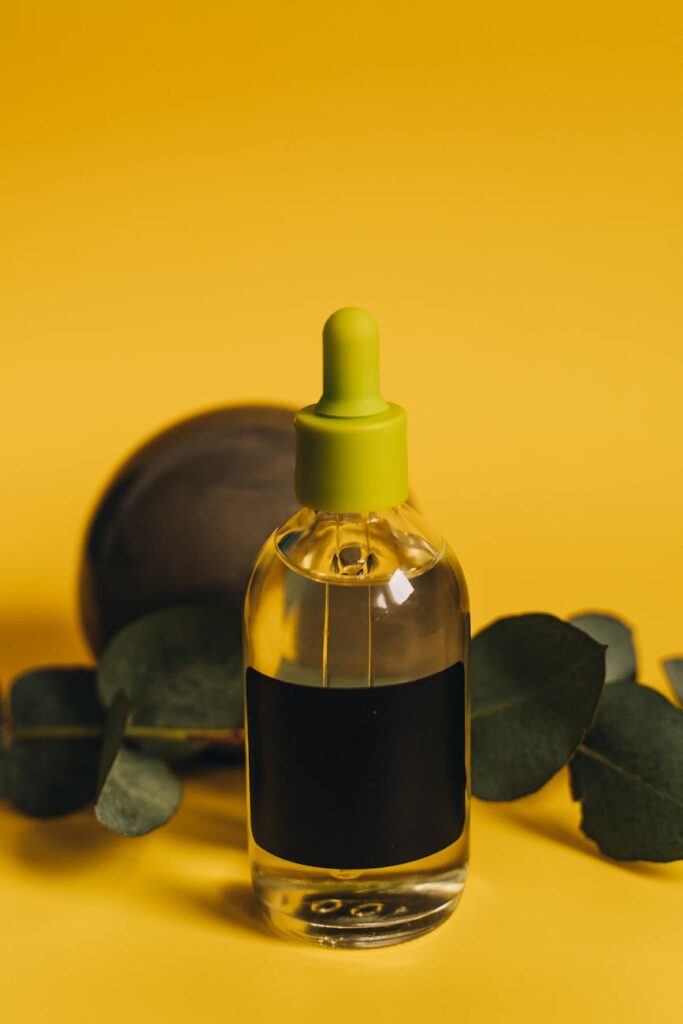
Best Ways to Use Squalane Oil
Introduction
Squalane oil has gained significant attention in the realm of skincare and wellness, celebrated for its moisturizing properties and versatility. As a naturally occurring compound, squalane is derived from various sources, including olives, wheat germ, and sugarcane. This article aims to explore the myriad ways to utilize squalane oil, detailing its benefits, common applications, and safety considerations.
What Is Squalane Oil?
Squalane is a saturated, stable derivative of squalene, a compound found in human sebum and various plants. While squalene is unsaturated and prone to oxidation, squalane is more stable, making it an ideal ingredient for cosmetic and health applications. Squalane oil is often used in formulations for skin and hair due to its emollient properties and ability to mimic the skin’s natural oils.
Key Benefits and Properties
1. Moisturizing Agent: Squalane oil is renowned for its ability to provide deep hydration without leaving a greasy residue. It penetrates the skin easily, making it suitable for all skin types, including oily and acne-prone skin.
2. Antioxidant Properties: Squalane contains antioxidants that help to protect the skin from environmental stressors, such as pollution and UV damage, thereby promoting healthier skin.
3. Anti-Inflammatory Effects: This oil can help soothe irritated skin, making it a beneficial choice for individuals with sensitive skin or conditions like eczema and rosacea.
4. Non-Comedogenic: Squalane is non-comedogenic, meaning it won’t clog pores, which is crucial for maintaining clear skin, especially for those prone to breakouts.
5. Supports Skin Elasticity: Regular use of squalane oil can enhance skin elasticity, contributing to a youthful appearance.
6. Hair Conditioning: Beyond skincare, squalane oil can also be used to condition hair, adding shine and reducing frizz.
Common Uses
Skincare
1. Facial Moisturizer: Squalane can be applied directly to the skin as a moisturizer. A few drops can be massaged into the face and neck after cleansing to lock in moisture.
2. Serum Booster: It can enhance the efficacy of other serums. By mixing a few drops of squalane oil with serums containing active ingredients, users can improve absorption and overall hydration.
3. Makeup Primer: Squalane oil can serve as a lightweight primer, creating a smooth base for makeup application while providing hydration throughout the day.
4. Eye Cream Alternative: A small amount can be applied around the eyes to combat dryness and fine lines, making it an excellent alternative to traditional eye creams.
5. Body Moisturizer: Squalane can be used on the entire body. Applying it after a shower helps to seal in moisture and maintain skin softness.
Haircare
1. Hair Oil: Squalane oil can be applied to damp hair to provide hydration and reduce frizz. It can also be used on dry hair to add shine and manageability.
2. Scalp Treatment: A few drops massaged into the scalp can help alleviate dryness and flakiness, promoting a healthier scalp environment.
3. Pre-Shampoo Treatment: Applying squalane oil before shampooing can help protect hair from damage during cleansing, leaving it softer and more manageable afterward.
Nail Care
Squalane oil can be used to nourish and moisturize cuticles, preventing dryness and promoting healthy nail growth.
Aromatherapy Applications
While squalane oil does not possess the fragrant properties typically associated with essential oils, it can still be integrated into aromatherapy practices. Here are some suggestions:
1. Carrier Oil: Squalane can be used as a carrier oil for essential oils. Its lightweight texture allows it to blend seamlessly with aromatic oils, making it suitable for topical applications.
2. Massage Oil: Combining squalane with essential oils can create a luxurious massage oil. The hydrating properties of squalane enhance the experience, leaving skin soft and supple post-massage.
3. Diffusion Blend: For those who prefer a more subtle aromatic experience, squalane can be used in a blend of essential oils meant for topical application rather than diffusion.
Safety Considerations
Squalane oil is generally considered safe for most individuals. However, here are some basic precautions:
1. Patch Test: Before using squalane oil on larger areas of the skin, it is advisable to conduct a patch test. Apply a small amount to a discreet area and monitor for any adverse reactions.
2. Sensitivity: While rare, some individuals may experience sensitivity to squalane. If irritation occurs, discontinue use.
3. Storage: Keep squalane oil in a cool, dark place to maintain its efficacy. Exposure to light and heat can degrade its quality over time.
Storage and Shelf Life
Squalane oil typically has a long shelf life, ranging from 1 to 2 years, depending on the source and quality. To maximize its longevity:
1. Keep it Sealed: Ensure that the bottle is tightly sealed when not in use to prevent oxidation.
2. Avoid Direct Sunlight: Store squalane oil in a dark container or in a cabinet away from direct sunlight.
3. Check for Odor Changes: If the oil develops an off-putting odor or changes in texture, it is advisable to discard it.
Frequently Asked Questions
Can squalane oil be used on all skin types?
Yes, squalane oil is suitable for all skin types, including oily and sensitive skin. Its lightweight nature ensures that it won’t clog pores.
How often should I use squalane oil?
Squalane oil can be used daily, either morning or night, or both, depending on your skincare routine.
Is squalane oil safe for pregnant women?
While squalane oil is generally considered safe, it is always advisable for pregnant women to consult with a healthcare professional before introducing any new products into their routine.
Can I use squalane oil with other skincare ingredients?
Yes, squalane oil can complement a variety of skincare ingredients, enhancing their absorption and overall effectiveness.
Does squalane oil have any side effects?
Squalane oil is typically well-tolerated, but in rare cases, individuals may experience sensitivity or irritation. A patch test is recommended for first-time users.
Conclusion
Squalane oil is a versatile and beneficial ingredient in skincare and haircare routines. Its moisturizing, antioxidant, and anti-inflammatory properties make it a valuable addition to personal care regimens. By understanding the various applications and benefits of squalane oil, individuals can make informed choices that enhance their overall well-being. Always remember to approach new products with care and consideration for your unique skin and hair needs.