
Best Ways to Use Tamanu Oil
Introduction
Tamanu oil, derived from the nuts of the tamanu tree (Calophyllum inophyllum), has gained prominence in the field of natural wellness and skincare. Traditionally used in various cultures, particularly in the South Pacific, this oil is renowned for its unique properties and versatility. In this article, we will explore tamanu oil’s origins, benefits, common applications, and safety considerations, providing a comprehensive guide to its uses.
What Is Tamanu Oil?
Tamanu oil is a greenish-yellow oil extracted from the nuts of the tamanu tree, a tropical tree that grows in regions such as Southeast Asia, the Pacific Islands, and parts of Africa. The harvesting process is labor-intensive; the nuts must be collected, sundried, and cold-pressed to extract the oil. This process ensures that the oil retains its beneficial properties and unique aroma.
The oil has a rich, nutty scent and a thick consistency, making it distinct from other carrier oils. Its composition includes fatty acids, antioxidants, and various phytochemicals, which contribute to its wide array of applications.
Key Benefits and Properties
Tamanu oil is celebrated for several key properties:
1. Moisturizing: The oil is rich in fatty acids, including oleic, linoleic, and stearic acids, which help to hydrate and nourish the skin.
2. Anti-inflammatory: Tamanu oil has natural anti-inflammatory properties, making it suitable for soothing irritated skin.
3. Antioxidant: The oil contains antioxidants that protect the skin from oxidative stress, promoting a healthy complexion.
4. Wound Healing: Historically, tamanu oil has been used to assist in the healing of minor wounds and scars due to its regenerative properties.
5. Antimicrobial: Tamanu oil exhibits antimicrobial activity, which may help in keeping the skin free from infections.
These properties make tamanu oil a popular choice for a variety of skincare and wellness applications.
Common Uses
Skincare
1. Moisturizer: Tamanu oil can be used as a standalone moisturizer. Its rich texture makes it ideal for dry or dehydrated skin. Apply a few drops directly to the face or body after cleansing.
2. Scar Treatment: Due to its regenerative properties, tamanu oil is often applied to scars to promote healing and improve the appearance of the skin.
3. Acne Treatment: Its anti-inflammatory and antimicrobial properties make tamanu oil an effective option for acne-prone skin. A small amount can be applied to affected areas to help reduce inflammation and redness.
4. Sunburn Relief: The oil’s soothing properties can provide relief for sunburned skin. It is recommended to apply it lightly to the affected area for moisture and comfort.
Haircare
5. Hair Moisturizer: Tamanu oil can be used as a leave-in conditioner. It nourishes the hair, adds shine, and helps reduce frizz.
6. Scalp Treatment: For those with dry or itchy scalps, tamanu oil can be massaged into the scalp to provide moisture and alleviate discomfort.
Massage
7. Carrier Oil: Tamanu oil serves as an excellent carrier oil for essential oils. It can be blended with various essential oils for a relaxing massage experience.
Aromatherapy Applications
While tamanu oil is not an essential oil, it can still play a role in aromatherapy. Its unique scent and beneficial properties make it suitable for incorporation into aromatherapy practices. Here are some suggested applications:
1. Blending with Essential Oils: Tamanu oil can be combined with essential oils such as lavender, tea tree, or frankincense to create a custom blend for skincare or relaxation. Mix a few drops of essential oil with tamanu oil for a personalized experience.
2. Aromatherapy Diffusion: Although less common, tamanu oil can be added to a diffuser for a nutty aroma. However, it is essential to note that it should be used sparingly, as its scent can be potent.
3. Massage Blends: Use tamanu oil as a base for massage blends. Combine it with essential oils known for their calming properties, such as chamomile or ylang-ylang, to create a soothing massage oil.
Safety Considerations
While tamanu oil is generally regarded as safe for topical use, it is important to take certain precautions:
1. Patch Test: Before extensive use, conduct a patch test by applying a small amount of the oil to a discreet area of skin. This will help to determine if any allergic reaction occurs.
2. Pregnancy and Nursing: Those who are pregnant or nursing should consult a healthcare provider before using tamanu oil, as the effects during these periods may not be well studied.
3. Avoiding Sensitive Areas: Tamanu oil should not be applied to sensitive areas, such as the eyes or mucous membranes.
4. Consultation for Skin Conditions: Individuals with pre-existing skin conditions should consult a dermatologist or healthcare provider before incorporating tamanu oil into their routine.
Storage and Shelf Life
To maintain the quality of tamanu oil, proper storage is essential:
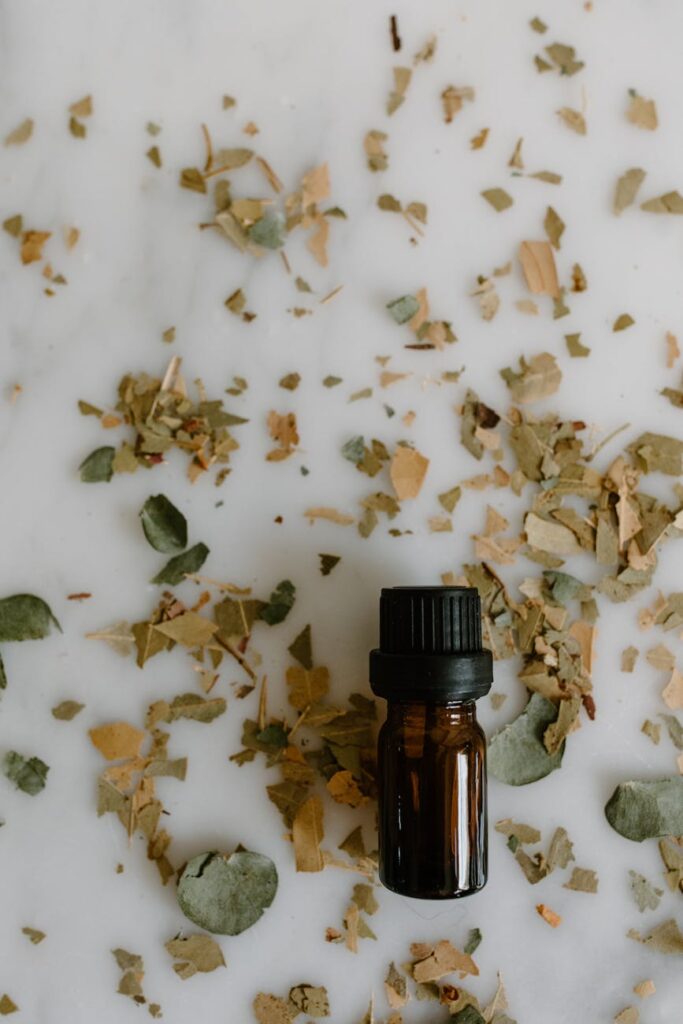
1. Container: Store tamanu oil in a dark glass bottle to protect it from light exposure, which can degrade the oil.
2. Temperature: Keep the oil in a cool, dry place away from direct sunlight and heat sources.
3. Shelf Life: When stored correctly, tamanu oil has a shelf life of approximately one to two years. However, it is advisable to check for any changes in smell or consistency, as these may indicate spoilage.
Frequently Asked Questions
1. Can tamanu oil be used for all skin types?
While tamanu oil is suitable for most skin types, those with very oily or acne-prone skin should conduct a patch test first, as it may be too heavy for some individuals.
2. How often should I apply tamanu oil?
The frequency of application can vary based on individual needs. Generally, it can be applied once or twice daily, depending on the desired outcome.
3. Can tamanu oil be ingested?
Tamanu oil is primarily used for topical applications. Ingesting tamanu oil is not recommended, as its safety for internal use has not been well established.
4. Is tamanu oil safe for children?
As with any new product, it is best to consult a healthcare provider before using tamanu oil on children, especially infants.
5. What is the best way to incorporate tamanu oil into my skincare routine?
Tamanu oil can be used as a standalone moisturizer, mixed with other skincare products, or added to a DIY skincare formulation. Experimenting with different applications can help determine what works best for your individual skin needs.
Conclusion
Tamanu oil is a versatile and beneficial oil that offers a range of applications in skincare, haircare, and aromatherapy. With its rich history and unique properties, it remains a valuable addition to natural wellness practices. Understanding its benefits, uses, and safety considerations will help you make the most of this extraordinary oil in your daily routine.