
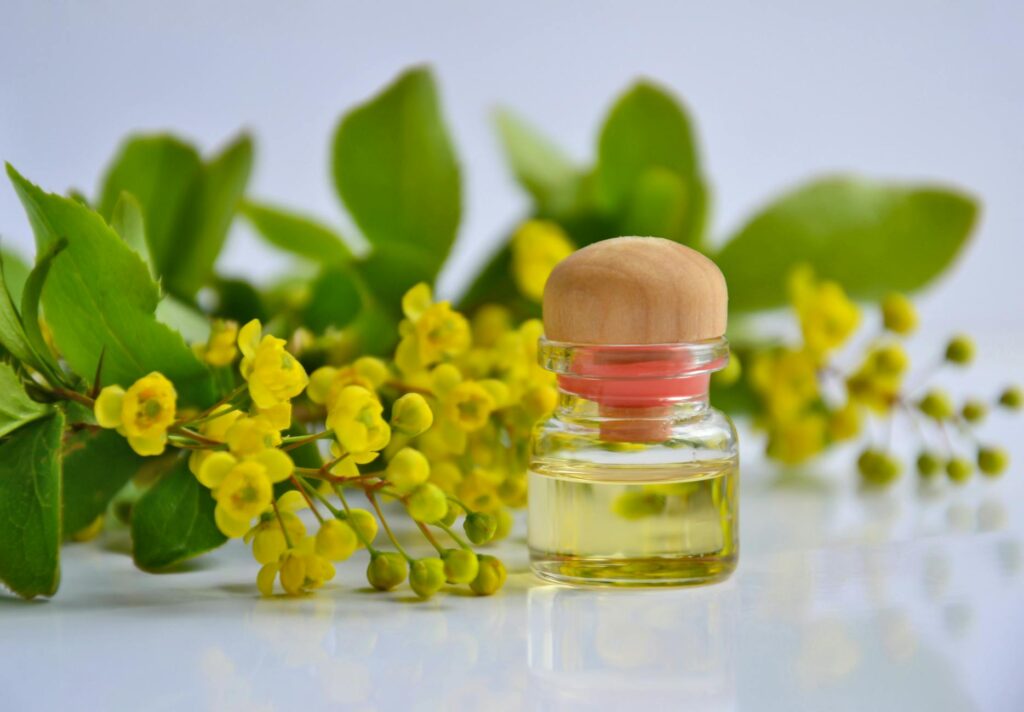
Best Ways to Use Thyme Oil
Introduction
Thyme oil, derived from the leaves and flowering tops of the Thymus vulgaris plant, has been cherished for centuries not only for its culinary attributes but also for its therapeutic properties. This essential oil is a staple in aromatherapy and natural health practices due to its rich profile of beneficial compounds. In this article, we will delve into the characteristics, benefits, and applications of thyme oil, providing a comprehensive guide for those looking to incorporate it into their lives.
What Is Thyme Oil?
Thyme oil is an essential oil extracted primarily through steam distillation of the fresh or dried leaves of the thyme plant. Known for its strong, earthy aroma, thyme oil contains various chemical constituents, including thymol, carvacrol, and linalool, which contribute to its distinctive scent and therapeutic properties. The oil can vary in its composition depending on factors such as the plant variety, geographical location, and harvesting conditions.
Key Benefits and Properties
Thyme oil is celebrated for its myriad of beneficial properties:
Antimicrobial Properties
Thyme oil is widely recognized for its antimicrobial effects. Its active compounds, particularly thymol and carvacrol, have demonstrated efficacy against various bacteria and fungi, making it a popular choice in natural cleaning products and personal care formulations.
Antioxidant Effects
Rich in antioxidants, thyme oil can help combat oxidative stress in the body. Antioxidants are crucial for neutralizing free radicals, thereby supporting overall health and wellness.
Anti-inflammatory Qualities
Thyme oil has been noted for its potential anti-inflammatory properties, which may help soothe irritation and support overall skin health.
Respiratory Support
The aroma of thyme oil can be beneficial for respiratory health. It is often used in inhalation therapies to help relieve congestion and promote easier breathing.
Common Uses
Thyme oil can be utilized in various ways, making it a versatile addition to your essential oil collection:
Culinary Uses
While thyme oil is primarily known for its therapeutic properties, it can also be used in cooking. A drop or two can enhance the flavor of dishes, particularly soups, marinades, and dressings. However, it is essential to use thyme oil sparingly due to its concentrated nature.
Natural Cleaning Solutions
Due to its antimicrobial properties, thyme oil is an excellent addition to homemade cleaning solutions. It can be combined with vinegar or baking soda to create an effective cleaner for kitchen surfaces and bathrooms.
Personal Care Products
Thyme oil is often included in formulations for skin care, hair care, and oral hygiene products. Its antibacterial properties make it a suitable ingredient in soaps, shampoos, and toothpaste.
Aromatherapy Applications
Thyme oil is a popular choice in aromatherapy, where it can be diffused or inhaled to promote emotional well-being. Here are some effective ways to incorporate thyme oil into your aromatherapy practice:
Diffusion
Using an essential oil diffuser is one of the most common methods to enjoy thyme oil’s aromatic benefits. Add a few drops of thyme oil to your diffuser, along with water, and allow the aroma to fill your space. This method can create an uplifting atmosphere and may support respiratory health.
Inhalation
For direct inhalation, place a drop or two of thyme oil on a tissue or cotton ball and breathe in the aroma. This method is particularly useful for clearing nasal passages and enhancing focus.
Bath Additive
Adding thyme oil to your bath can create a soothing and aromatic experience. Mix a few drops with a carrier oil, such as coconut or jojoba oil, before adding it to your bathwater to promote relaxation.
Massage
When diluted with a carrier oil, thyme oil can be used for massage. Its warming properties can enhance circulation and provide relief to sore muscles. Combine thyme oil with a carrier oil in a 1:10 ratio for safe application.
Safety Considerations
While thyme oil is generally considered safe when used appropriately, there are several important safety considerations to keep in mind:
Skin Sensitivity
Thyme oil is potent and may cause skin irritation in some individuals. It is advisable to perform a patch test before using it topically. If irritation occurs, discontinue use immediately.
Dilution
Essential oils should always be diluted before topical application. A general guideline is to use one part essential oil to ten parts carrier oil. This helps prevent skin irritation and enhances absorption.
Pregnancy and Nursing
Pregnant or nursing individuals should consult a qualified healthcare provider before using thyme oil or any essential oil, as some oils may not be suitable during these periods.
Allergies
Individuals with allergies to plants in the Lamiaceae family, such as mint or basil, should exercise caution when using thyme oil. Always consult with a healthcare professional if you have concerns about allergies.
Storage and Shelf Life
To maintain the quality and potency of thyme oil, proper storage is essential. Follow these guidelines:
Storage Conditions
Store thyme oil in a cool, dark place, away from direct sunlight and heat sources. Keeping it in a dark glass bottle can help protect it from degradation.
Shelf Life
When stored correctly, thyme oil typically has a shelf life of 3 to 4 years. However, it is advisable to check for any changes in aroma or consistency before use, as these may indicate that the oil has gone rancid.
Frequently Asked Questions
Can I use thyme oil for cooking?
Yes, thyme oil can be used in cooking, but it should be used sparingly due to its concentrated nature. A drop or two can enhance the flavor of various dishes.
Is thyme oil safe for children?
Thyme oil may not be suitable for young children. Always consult with a healthcare provider before using essential oils on children.
Can thyme oil help with respiratory issues?
Thyme oil is often used in aromatherapy for respiratory support. Its antimicrobial properties may help with congestion and promote easier breathing.
How can I incorporate thyme oil into my skincare routine?
Thyme oil can be added to skincare formulations or diluted with a carrier oil for topical application. Always perform a patch test first to ensure skin compatibility.
What are the best carrier oils to use with thyme oil?
Suitable carrier oils include coconut oil, jojoba oil, almond oil, and olive oil. Choose one based on your skin type and personal preference.
Conclusion
Thyme oil is a versatile and potent essential oil with numerous applications in culinary, cleaning, and wellness practices. Its rich array of beneficial properties, such as antimicrobial and antioxidant effects, make it a valuable addition to any essential oil collection. Whether used in aromatherapy, personal care, or cooking, thyme oil offers a host of advantages when used safely and appropriately. By understanding the best ways to use thyme oil, individuals can harness its potential to enhance their overall well-being.