
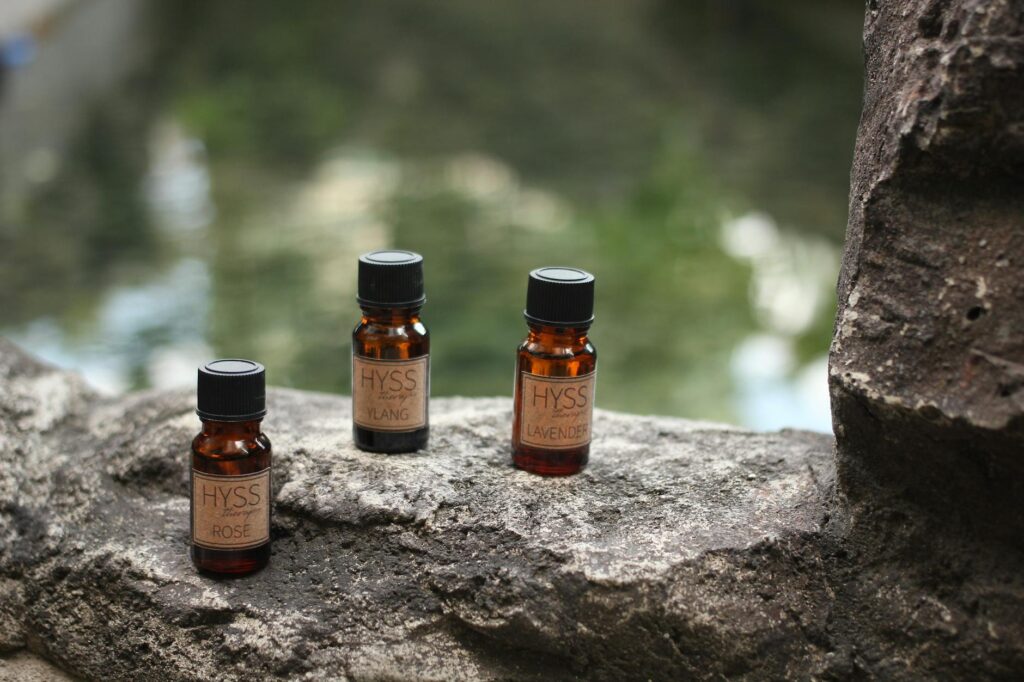
Best Ways to Use Ylang Ylang Oil
Introduction
Ylang Ylang oil, derived from the flowers of the Cananga odorata tree, is renowned for its sweet, floral aroma and numerous benefits. This essential oil has captured the interest of aromatherapy enthusiasts and botanists alike due to its complex scent profile and diverse applications. In this article, we will explore what Ylang Ylang oil is, its key benefits and properties, common uses, and safety considerations, along with best practices for storage.
What Is Ylang Ylang Oil?
Ylang Ylang oil is extracted through steam distillation from the yellow, star-shaped flowers of the Ylang Ylang tree, which is native to tropical Asia. The name “Ylang Ylang” translates to “flower of flowers” in Tagalog, reflecting its distinguished place in both culinary and perfumery traditions. The oil is available in several grades, with the highest quality being Ylang Ylang Extra, which offers a more potent aroma and therapeutic properties.
The oil features a rich, sweet fragrance with hints of banana and jasmine, making it a popular choice in perfumes and incense. Beyond its aromatic qualities, Ylang Ylang oil is also celebrated for its potential benefits in emotional and physical wellness.
Key Benefits and Properties
Ylang Ylang oil possesses a variety of beneficial properties, making it a versatile essential oil:
1. Mood Enhancer: The calming and uplifting aroma of Ylang Ylang oil can help alleviate feelings of stress and anxiety. It is often used to promote relaxation and emotional balance.
2. Aphrodisiac: Traditionally, Ylang Ylang has been considered an aphrodisiac, enhancing feelings of intimacy and connection.
3. Skin Care: The oil has anti-inflammatory and antiseptic properties, making it a popular choice in skin care formulations for its ability to soothe irritated skin.
4. Hair Care: Ylang Ylang oil may promote hair growth and improve overall hair health. It is often included in hair care products for its nourishing properties.
5. Antioxidant Properties: The oil contains compounds that may help protect the skin from oxidative stress, contributing to a healthier complexion.
Common Uses
Ylang Ylang oil can be utilized in various ways, each catering to different preferences and needs:
1. Diffusion: One of the simplest methods of using Ylang Ylang oil is through an essential oil diffuser. This method allows the aroma to fill a room, creating a calming atmosphere.
2. Topical Application: When diluted with a carrier oil, Ylang Ylang oil can be applied directly to the skin. This practice is common in massage therapy to promote relaxation and relieve tension.
3. Bathing: Adding a few drops of Ylang Ylang oil to a warm bath can enhance the sensory experience, providing both relaxation and a pleasant fragrance.
4. Hair Products: Incorporating Ylang Ylang oil into shampoos or conditioners can nourish the scalp and hair, promoting shine and vitality.
5. Perfume: Due to its alluring scent, Ylang Ylang oil is often used as a natural fragrance in perfumes and body sprays.
Aromatherapy Applications
In aromatherapy, Ylang Ylang oil is valued for its emotional and psychological benefits. Here are a few popular applications:
1. Stress Relief: To create a calming environment, add 3-5 drops of Ylang Ylang oil to a diffuser along with other relaxing oils like lavender or bergamot.
2. Romantic Atmosphere: For a romantic setting, blend Ylang Ylang oil with sweet orange or sandalwood oil in a diffuser. This combination can enhance feelings of intimacy.
3. Meditation: Incorporating Ylang Ylang oil into meditation practices can help deepen relaxation and focus. Apply diluted oil to pulse points or diffuse it in the background.
4. Emotional Balance: In moments of emotional turmoil, inhaling Ylang Ylang oil directly from the bottle or on a cotton ball can provide immediate comfort and grounding.
5. Sleep Aid: To promote restful sleep, consider adding Ylang Ylang oil to your bedtime routine. Diffuse it in your bedroom or apply it to your pillow for a soothing scent.
Safety Considerations
While Ylang Ylang oil is generally considered safe for most individuals, it is important to follow specific safety guidelines:
1. Dilution: Always dilute Ylang Ylang oil with a carrier oil, such as jojoba or coconut oil, before applying it to the skin. A common dilution ratio is 2-3 drops of essential oil per teaspoon of carrier oil.
2. Patch Test: Conduct a patch test on a small area of skin to check for any allergic reactions before widespread use.
3. Pregnancy and Nursing: Pregnant or nursing individuals should consult a healthcare professional before using Ylang Ylang oil.
4. Children and Pets: Use caution when using essential oils around children and pets. Always consult a qualified professional for guidance on safe usage.
5. Avoid Eye Contact: Keep Ylang Ylang oil away from the eyes and mucous membranes. If contact occurs, rinse thoroughly with carrier oil, not water.
Storage and Shelf Life
Proper storage is essential to maintain the quality and efficacy of Ylang Ylang oil:
1. Cool, Dark Place: Store Ylang Ylang oil in a cool, dark place away from direct sunlight and heat sources. This helps prevent degradation and preserves its aromatic properties.
2. Airtight Containers: Use dark glass bottles for storage to protect the oil from light exposure. Make sure the bottle is tightly sealed to prevent oxidation.
3. Shelf Life: When stored correctly, Ylang Ylang oil typically has a shelf life of 3-5 years. However, it is advisable to check for any changes in aroma or consistency before use, as these may indicate that the oil has gone bad.
Frequently Asked Questions
1. Can Ylang Ylang oil be used in cooking?
Ylang Ylang oil is not typically used in culinary applications. Its concentrated nature and strong fragrance may not be suitable for consumption. Always opt for food-grade essential oils if you intend to use essential oils for culinary purposes.
2. Is Ylang Ylang oil suitable for sensitive skin?
While Ylang Ylang oil may benefit many skin types, individuals with sensitive skin should proceed with caution. Always perform a patch test and consult with a qualified professional if unsure.
3. How can I incorporate Ylang Ylang oil into my skincare routine?
You can add a few drops of Ylang Ylang oil to your favorite moisturizer, or create a facial serum by combining it with a carrier oil. Always ensure that the oil is properly diluted before applying it to your skin.
4. What other essential oils blend well with Ylang Ylang?
Ylang Ylang oil blends beautifully with other floral oils, such as jasmine and rose, as well as citrus oils like bergamot and sweet orange. Woody oils like sandalwood also create a harmonious blend.
5. Can Ylang Ylang oil help with headaches?
While some individuals may find relief from headaches through the inhalation of Ylang Ylang oil, it is important to note that aromatherapy should not replace medical advice or treatment.
Conclusion
Ylang Ylang oil is a multifaceted essential oil with a wide array of applications, from enhancing emotional well-being to nourishing skin and hair. By understanding its properties and following safety guidelines, you can effectively incorporate this enchanting oil into your daily routine. Whether you are diffusing it for relaxation or using it in a skincare regimen, Ylang Ylang oil offers a delightful journey into the world of aromatherapy.