
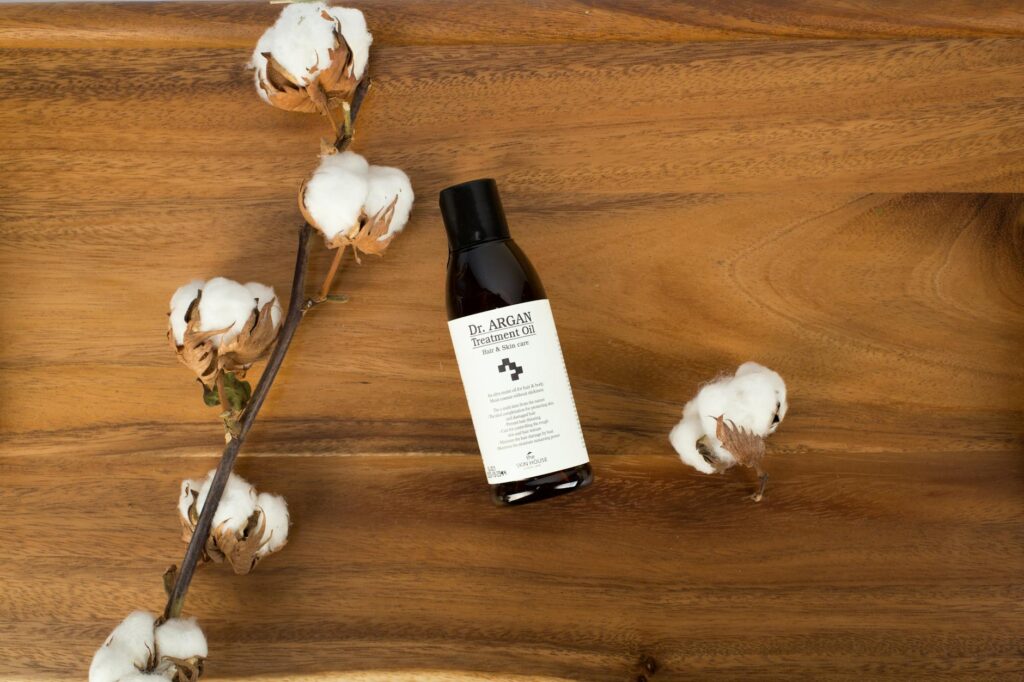
Complete Guide to Argan Oil Part 1
Introduction
Argan oil, often referred to as “liquid gold,” has garnered considerable attention in recent years for its diverse applications and benefits. Extracted from the nuts of the Argan tree (Argania spinosa), native to Morocco, this oil has been cherished by local populations for centuries. Its rising popularity in global markets has made it a staple in both beauty and culinary contexts. This guide aims to provide an in-depth understanding of argan oil, covering its properties, benefits, and various applications.
What Is Argan Oil?
Argan oil is a plant oil derived from the seeds of the fruit of the Argan tree, which grows primarily in the semi-desert regions of southwestern Morocco. The extraction process involves several steps. First, the fruit is harvested and dried to remove the pulp. Next, the seeds are extracted from the nuts and then cold-pressed to produce the oil. There are two primary types of argan oil: culinary and cosmetic. Culinary argan oil tends to have a nuttier flavor and is often used in cooking, while cosmetic argan oil is typically unrefined, preserving its natural properties for beauty applications.
Key Benefits and Properties
Argan oil is rich in essential fatty acids, antioxidants, and vitamins, making it a highly nourishing substance for both skin and hair. Some of its key components include:
- Oleic Acid: A monounsaturated fat that helps retain moisture in the skin and improves elasticity.
- Linoleic Acid: An essential fatty acid that can help soothe irritated skin and support barrier function.
- Vitamin E: A powerful antioxidant that protects skin cells from oxidative stress and may promote healing.
- Squalene: A natural emollient that hydrates and softens the skin.
- Moisturizer: Its rich fatty acid profile makes it an excellent moisturizer for dry skin.
- Anti-Aging: Regular application of argan oil can help reduce the appearance of fine lines and wrinkles.
- Scar Treatment: Some users report improvements in the appearance of scars and stretch marks.
- Conditioner: Argan oil is often used as a leave-in conditioner to enhance shine and manageability.
- Heat Protectant: It can provide a protective layer on hair strands against heat from styling tools.
- Cooking Oil: Culinary argan oil is often drizzled over salads, used in dips, or incorporated into various dishes for its unique flavor.
- Nutritional Supplement: It can be consumed directly for its health benefits.
- Nail Strengthener: Applying argan oil to nails and cuticles may help strengthen them and prevent breakage.
- Allergies: A patch test is recommended before widespread use, especially for individuals with nut allergies.
- Quality: Ensure you are purchasing high-quality, cold-pressed, and preferably organic argan oil to maximize benefits and minimize exposure to contaminants.
- Pregnancy and Breastfeeding: While argan oil is natural, it is advisable to consult with a healthcare professional before use during pregnancy or breastfeeding.
- Storage Conditions: Store argan oil in a cool, dark place away from direct sunlight. Ideal storage temperatures range from 50°F to 70°F (10°C to 21°C).
- Container: Opt for dark glass bottles, which can help protect the oil from light degradation.
- Shelf Life: When stored correctly, argan oil can last up to two years. However, always check for signs of rancidity, such as an off smell or change in color, before use.
These components contribute to the oil’s well-known benefits, including hydration, anti-aging properties, and the ability to promote overall skin and hair health.
Common Uses
Argan oil’s versatility makes it suitable for a wide range of applications:
1. Skin Care
2. Hair Care
3. Culinary Uses
4. Nail and Cuticle Care
Aromatherapy Applications
While argan oil is not an essential oil, it can serve as a carrier oil in aromatherapy. It can dilute essential oils for topical applications, making it a suitable base for blends aimed at promoting relaxation and well-being. When mixed with essential oils, argan oil can enhance absorption and provide additional skin benefits.
Blending with Essential Oils
Commonly blended essential oils include lavender for relaxation, tea tree for its antiseptic properties, and eucalyptus for respiratory support. When creating blends, always ensure that the chosen essential oils are appropriate for your intended use.
Safety Considerations
Argan oil is generally considered safe for most individuals, but it is important to keep a few considerations in mind:
Storage and Shelf Life
To maintain the integrity of argan oil, proper storage is essential. Here are some tips to ensure its longevity:
Frequently Asked Questions
1. Is argan oil suitable for all skin types?
Argan oil is generally suitable for all skin types, including oily and sensitive skin. However, individual reactions may vary, so it’s advisable to conduct a patch test first.
2. Can I use argan oil on my face?
Yes, many individuals use argan oil as a facial moisturizer due to its hydrating and nourishing properties.
3. How can I incorporate argan oil into my hair care routine?
Argan oil can be used as a leave-in conditioner, a treatment before heat styling, or even as an ingredient in homemade hair masks.
4. Is culinary argan oil the same as cosmetic argan oil?
No, culinary argan oil is specifically processed for consumption and has a different flavor profile, while cosmetic argan oil is unrefined and intended for topical use.
5. Where can I purchase high-quality argan oil?
Look for reputable brands that offer organic, cold-pressed argan oil. Health food stores, specialty shops, and online retailers often carry high-quality options.
Conclusion
Argan oil’s rich history and broad range of applications make it a remarkable natural product. Understanding its properties and uses can empower consumers to incorporate it into their daily routines effectively. In Part 2 of this guide, we will delve deeper into specific recipes, blending techniques for aromatherapy, and more advanced applications of argan oil in various fields.