
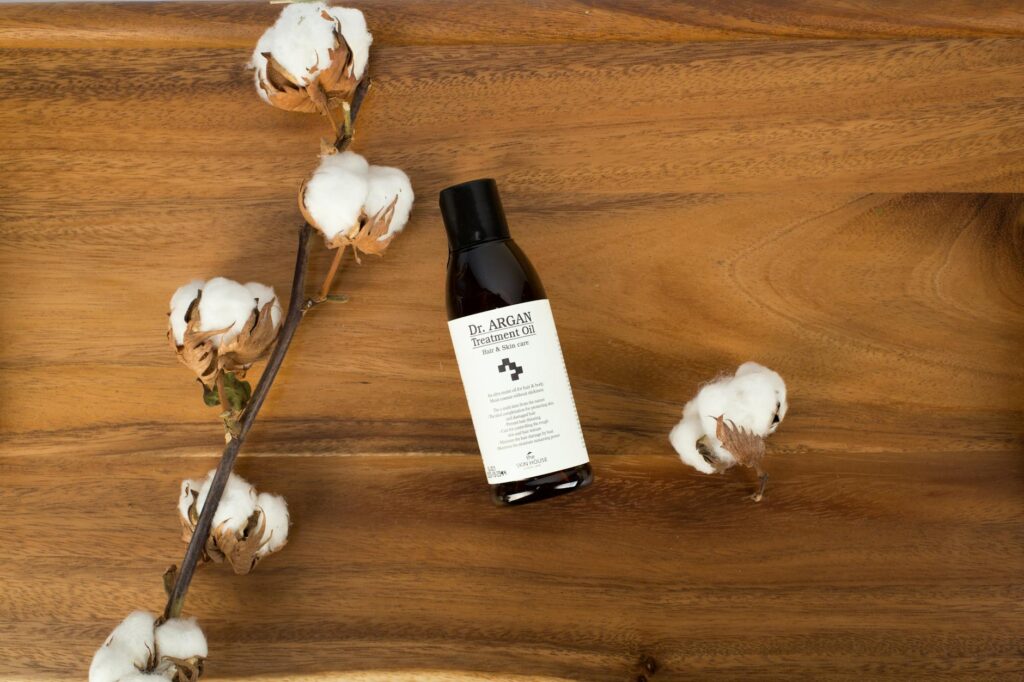
Complete Guide to Argan Oil Part 11
Introduction
Argan oil has gained considerable attention in the realms of beauty, health, and culinary arts. Derived from the nuts of the Argania spinosa tree, which is native to Morocco, this oil has been cherished for centuries for its numerous benefits and applications. This guide aims to provide a comprehensive overview of argan oil, exploring its properties, uses, and considerations for safe usage.
What Is Argan Oil?
Argan oil is a plant oil produced from the kernels of the argan tree. This tree is unique to the southwestern regions of Morocco, where it thrives in arid conditions. The oil is extracted through a labor-intensive process that involves cracking open the hard outer shell of the argan fruit to access the kernels within. Traditionally, local women have played a crucial role in this process, often utilizing traditional methods that preserve the oil’s natural properties.
There are two main types of argan oil: cosmetic and culinary. Cosmetic argan oil is often cold-pressed to retain its nutrients and is primarily used for skin and hair care. Culinary argan oil, on the other hand, is roasted before extraction, imparting a distinct flavor and is used as a cooking oil.
Key Benefits and Properties
Argan oil is renowned for its rich composition, including:
- Fatty Acids: Predominantly oleic acid and linoleic acid, which contribute to its moisturizing properties.
- Vitamin E: A potent antioxidant that helps protect the skin and hair from environmental damage.
- Phenolic Compounds: These compounds have anti-inflammatory properties and support overall skin health.
- Squalene: A natural moisturizer that mimics the skin’s own oils, promoting hydration.
- Skincare: Used as a moisturizer, serum, or part of a skincare routine to combat dryness and promote a radiant complexion.
- Haircare: Incorporated into shampoos, conditioners, and styling products to enhance hair health and manageability.
- Culinary: Used as a flavorful oil for drizzling over salads, vegetables, or grains, or as a dip for bread.
- Facial Serums: Combined with essential oils or other carrier oils for customized skincare.
- Hair Masks: Mixed with natural ingredients like honey or yogurt for deep conditioning treatments.
- Body Scrubs: Blended with sugar or salt for exfoliating scrubs that hydrate the skin.
- Lavender: Known for its calming effects, lavender oil can enhance relaxation when mixed with argan oil for massage.
- Tea Tree: With its antiseptic properties, tea tree oil can be blended with argan oil for skin care, particularly for acne-prone skin.
- Frankincense: Often used for its anti-aging benefits, frankincense oil can complement argan oil in facial serums.
- Allergies: Individuals with nut allergies should exercise caution, as argan oil is derived from nuts. A patch test is recommended before widespread use.
- Purity: Always choose high-quality, organic argan oil to ensure it is free from additives and contaminants.
- Storage: Proper storage is essential to maintain the oil’s properties and prevent rancidity.
Skin Benefits
Argan oil is often celebrated for its ability to hydrate and nourish the skin. It can help reduce the appearance of fine lines and wrinkles, improve skin elasticity, and soothe conditions such as eczema or psoriasis. Its non-comedogenic nature makes it suitable for various skin types, including oily and acne-prone skin.
Hair Benefits
When used in hair care, argan oil can enhance shine, reduce frizz, and improve overall hair texture. Its moisturizing properties penetrate the hair shaft, helping to prevent breakage and split ends while promoting healthier hair growth.
Common Uses
Argan oil’s versatility extends across multiple domains, including:
DIY Applications
Many enthusiasts create their own beauty recipes featuring argan oil. Common DIY applications include:
Aromatherapy Applications
While argan oil is not typically used as an essential oil in aromatherapy, it can serve as a carrier oil for diluting essential oils. Its light texture and nourishing properties make it an excellent base for various aromatherapy blends.
Blending with Essential Oils
When combining argan oil with essential oils, it’s essential to consider the properties of both. Some popular essential oils to blend with argan oil include:
Application Techniques
To utilize argan oil in aromatherapy:
1. Massage: Dilute essential oils in argan oil and use for a soothing massage.
2. Diffusion: While argan oil is not suitable for diffusion, it can be applied directly to the skin after diffusion to enhance the aromatic experience.
3. Bath Soak: Adding a few drops of essential oils mixed with argan oil to a warm bath can create a relaxing atmosphere.
Safety Considerations
While argan oil is generally safe for topical and culinary use, some considerations should be taken into account:
Storage and Shelf Life
To maximize the shelf life of argan oil, it should be stored in a cool, dark place, away from direct sunlight and heat sources. When properly stored, cosmetic argan oil typically lasts for 12 to 24 months, while culinary argan oil may have a shorter shelf life due to its exposure to heat during extraction.
Signs of Spoilage
Regularly check for changes in color, odor, or consistency. If the oil develops an off smell or becomes cloudy, it is best to discard it.
Frequently Asked Questions
How can I tell if my argan oil is pure?
Look for labels that specify “100% pure argan oil” and check for certifications such as organic or fair trade. Pure argan oil should have a light golden hue and a nutty aroma.
Can I use argan oil on my face every day?
Yes, many people incorporate argan oil into their daily skincare routine. However, it’s advisable to start with a small amount to see how your skin reacts.
Is argan oil suitable for all hair types?
Argan oil is versatile and can benefit various hair types. However, those with very fine hair may prefer to use it sparingly to avoid weighing their hair down.
Can I ingest argan oil?
Culinary argan oil is safe for consumption and can be used in cooking or as a salad dressing. However, cosmetic-grade argan oil is not intended for ingestion.
Is argan oil safe for pregnant women?
While argan oil is generally considered safe for topical use, pregnant women should consult with their healthcare provider before incorporating any new products into their routine.
Conclusion
Argan oil stands out as a remarkable natural product with a rich heritage and a multitude of benefits. From skincare to haircare and culinary applications, its versatility makes it a valuable addition to many routines. By understanding its properties and proper usage, individuals can effectively harness the benefits of argan oil in their daily lives. Always remember to source high-quality products and consult professionals when needed to ensure a safe and enriching experience.