
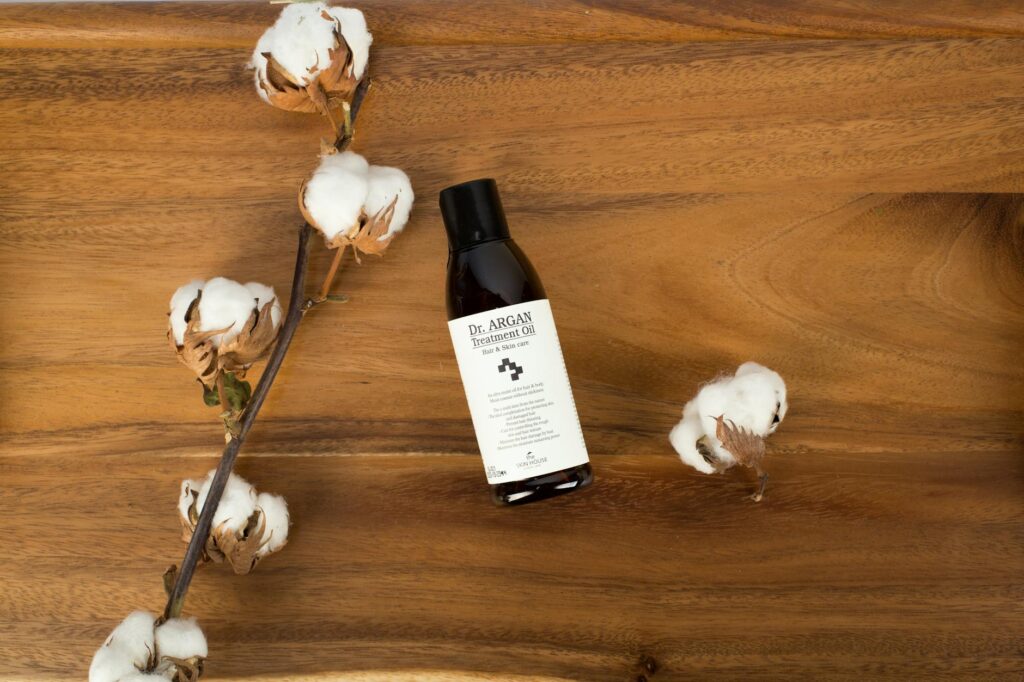
Complete Guide to Argan Oil Part 12
Introduction
Argan oil, often referred to as “liquid gold,” has garnered significant attention in the realms of beauty, wellness, and gastronomy. This precious oil, extracted from the nuts of the Argania spinosa tree, native to Morocco, has been valued for centuries due to its diverse applications and remarkable benefits. In this comprehensive guide, we will delve into the intricate details of argan oil, exploring its properties, uses, and implications in aromatherapy while addressing common questions and concerns.
What Is Argan Oil?
Argan oil is a natural oil derived from the nuts of the argan tree, which is indigenous to the semi-desert regions of Morocco. This oil is produced through a labor-intensive process that involves harvesting the nuts, drying them, and then cold-pressing them to extract the oil. The oil is rich in fatty acids, antioxidants, and Vitamin E, making it a sought-after ingredient in both culinary and cosmetic applications.
There are two main types of argan oil:
1. Cosmetic Argan Oil: This variety is cold-pressed from nuts that have not been roasted and is often used for skin, hair, and nail care.
2. Culinary Argan Oil: Produced from roasted nuts, this type has a distinct, nutty flavor and is used in salads, dips, and various Moroccan dishes.
Key Benefits and Properties
Argan oil is celebrated for its multifaceted benefits and properties, which include:
- Moisturizing: Rich in oleic and linoleic acids, argan oil is an excellent emollient for skin and hair, providing deep hydration and nourishment.
- Antioxidant-Rich: High levels of Vitamin E and phenolic compounds in argan oil help combat oxidative stress, which can contribute to premature aging and skin damage.
- Anti-Inflammatory: The oil possesses anti-inflammatory properties that can soothe irritated skin and reduce redness.
- Healing Properties: Argon oil may help improve the skin’s elasticity and promote healing of minor wounds and scars due to its regenerative qualities.
- Hair Conditioning: It is known for improving hair texture, reducing frizz, and enhancing shine, making it a popular ingredient in hair care products.
- Moisturizers: Used in creams and lotions for its hydrating properties.
- Serums: Often included in facial oils to promote a healthy complexion.
- Acne Treatment: Can be beneficial for balancing oil production and soothing inflamed skin.
- Conditioners: Frequently added to conditioners and leave-in treatments for its nourishing effects.
- Styling Products: Used to tame frizz and enhance shine in styling serums.
- Dressings: Employed as a flavorful ingredient in salad dressings and marinades.
- Dips and Sauces: Used in traditional Moroccan dishes like amlou, a blend of argan oil, almonds, and honey.
- Lavender and Argan Oil: A soothing blend that can help promote relaxation and skin healing.
- Tea Tree and Argan Oil: Often used for its purifying properties, particularly for acne-prone skin.
- Allergies: Individuals with nut allergies should exercise caution, as argan oil is derived from tree nuts.
- Skin Sensitivity: It is advisable to perform a patch test before applying argan oil extensively to the skin, particularly for those with sensitive skin.
- Containers: Store argan oil in dark glass bottles to protect it from light exposure, which can degrade its properties.
- Temperature: Keep the oil in a cool, dry place, away from direct sunlight and heat sources.
- Shelf Life: When stored correctly, argan oil can last for up to 24 months. It is advisable to check for any off smells, which may indicate spoilage.
Common Uses
Argan oil has a wide range of applications across various domains:
Skin Care
Hair Care
Culinary Uses
Aromatherapy Applications
While argan oil is primarily recognized for its cosmetic and culinary uses, it also holds a place in the realm of aromatherapy, especially as a carrier oil.
As a Carrier Oil
Argan oil can serve as an excellent carrier oil for essential oils due to its skin-nourishing properties and light texture. It can dilute essential oils, making them safe for topical application.
Popular Combinations:
Diffusion
Though not commonly used in diffusers, argan oil can be included in homemade blends for skin applications, allowing users to enjoy the aromatic benefits of essential oils while nourishing the skin.
Safety Considerations
Argan oil is generally considered safe for topical use and culinary applications. However, there are a few considerations to keep in mind:
When using argan oil in conjunction with essential oils, ensure that the essential oils are properly diluted according to recommended guidelines.
Storage and Shelf Life
To maintain the quality and efficacy of argan oil, proper storage is essential:
Frequently Asked Questions
1. Can argan oil be used on all skin types?
Yes, argan oil is suitable for most skin types, including sensitive and oily skin. Its non-comedogenic nature makes it unlikely to clog pores.
2. How do I incorporate argan oil into my skincare routine?
Argan oil can be applied directly to the skin, mixed with other skincare products, or used as a base for essential oil blends.
3. Is culinary argan oil the same as cosmetic argan oil?
No, culinary argan oil is derived from roasted nuts and has a distinct flavor, while cosmetic argan oil is cold-pressed and primarily used for skincare and hair care.
4. Can argan oil help with hair loss?
While argan oil is known for improving hair health and shine, there is no conclusive evidence that it prevents hair loss. It may, however, improve the overall condition of the hair.
5. Is argan oil environmentally sustainable?
The cultivation of argan trees is often linked to sustainable agricultural practices, but it is essential to source argan oil from reputable suppliers to ensure ethical production methods.
—
In conclusion, argan oil is a versatile and beneficial oil that has found its place in both beauty and culinary applications. Its rich composition of fatty acids, antioxidants, and vitamins makes it a valuable addition to any personal care or wellness routine. As with any natural product, understanding its uses, properties, and safety considerations will enhance your experience and appreciation for this remarkable oil.