
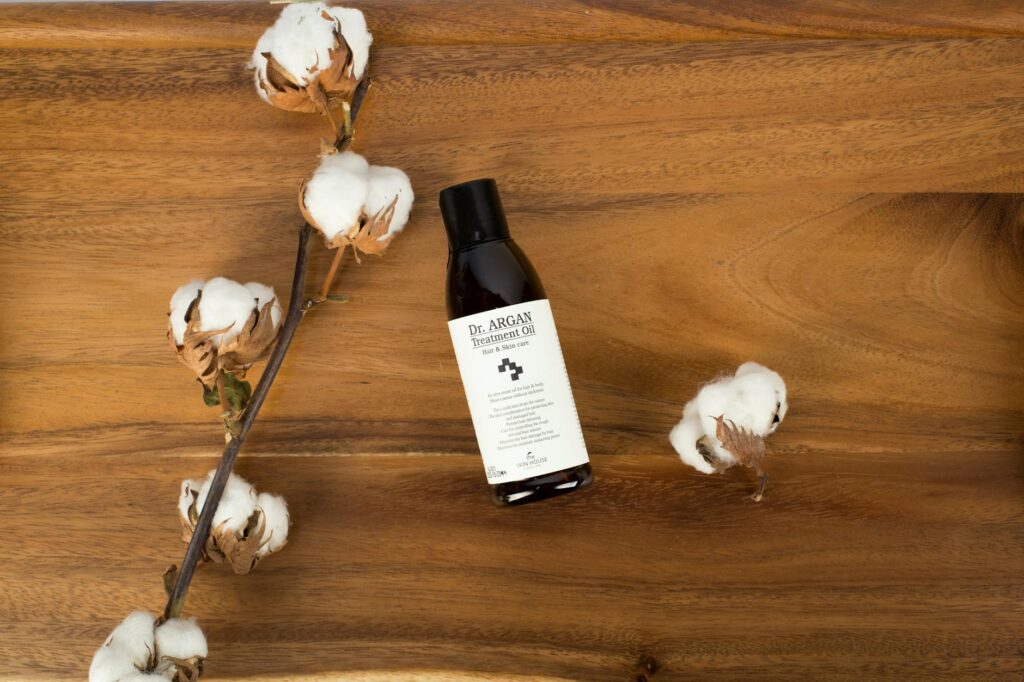
Complete Guide to Argan Oil Part 13
Introduction
Argan oil, often referred to as “liquid gold,” has gained immense popularity in recent years, particularly in the realms of beauty and wellness. Derived from the nuts of the Argania spinosa tree native to Morocco, this oil is celebrated for its rich nutrient profile and versatility. This comprehensive guide aims to explore the multifaceted aspects of argan oil, including its composition, benefits, applications, and best practices for use and storage.
What Is Argan Oil?
Argan oil is extracted from the kernels of the argan tree, which thrives in the semi-arid regions of Morocco. The process of obtaining this oil is labor-intensive, often involving traditional methods. The nuts are harvested, roasted, and then crushed to release the oil, which can be used in culinary, cosmetic, and therapeutic applications.
There are two primary types of argan oil: culinary and cosmetic. Culinary argan oil is typically made from roasted nuts and has a nutty flavor, while cosmetic argan oil is derived from unroasted nuts and is prized for its light texture and high nutritional content.
Key Benefits and Properties
Argan oil is rich in several key nutrients, which contribute to its numerous benefits:
- Fatty Acids: Primarily composed of oleic and linoleic acids, argan oil helps maintain skin hydration and elasticity.
- Vitamin E: A powerful antioxidant, vitamin E is crucial for protecting the skin from oxidative stress and environmental damage.
- Phenolic Compounds: These compounds have anti-inflammatory properties, making argan oil beneficial for soothing irritated skin.
- Squalene: This natural moisturizer is found in human sebum and helps to keep the skin hydrated and supple.
- Lavender: Known for its calming properties, lavender essential oil can promote relaxation when combined with argan oil for massage or topical applications.
- Tea Tree: Renowned for its antibacterial qualities, tea tree oil may be effectively diluted in argan oil for skin applications targeting blemishes.
- Peppermint: This invigorating scent can provide a refreshing experience when mixed with argan oil for scalp massages.
- Dilution: Always dilute essential oils with a carrier oil like argan oil before applying to the skin.
- Patch Test: Conduct a patch test to check for any adverse reactions, especially when using a new essential oil.
- Allergic Reactions: Individuals with nut allergies should exercise caution, as argan oil is derived from nuts.
- Skin Sensitivity: Though rare, some individuals may experience sensitivity to argan oil. A patch test is advisable before widespread application.
- Pregnancy and Nursing: While argan oil is deemed safe for topical use during pregnancy and nursing, consulting with a healthcare provider for specific concerns is prudent.
- Container: Store argan oil in a dark glass bottle to protect it from light and oxidation.
- Temperature: Keep the oil in a cool, dry place, away from direct sunlight and heat sources.
- Shelf Life: When stored correctly, argan oil has a shelf life of approximately 18 to 24 months. Always check for any changes in smell, color, or texture before use.
Collectively, these properties make argan oil a valuable ingredient in both skincare and haircare products, as well as a nutritious addition to diets.
Common Uses
Argan oil has a wide range of applications across various domains:
1. Skincare
Argan oil is often used as a moisturizer due to its ability to penetrate the skin and provide hydration. It is suitable for all skin types, including sensitive skin, and can help improve conditions such as dryness and acne.
2. Haircare
Due to its nourishing properties, argan oil is frequently incorporated into shampoos, conditioners, and hair treatments. It helps to tame frizz, enhance shine, and promote overall hair health.
3. Culinary Uses
In Moroccan cuisine, argan oil is utilized as a dressing for salads, drizzled over cooked vegetables, or used in dips. Its unique flavor adds depth to various dishes.
4. Massage Oil
When blended with essential oils, argan oil serves as an effective carrier oil for massage therapy, providing hydration and soothing benefits.
Aromatherapy Applications
While argan oil itself is not an essential oil, it can serve as an excellent carrier oil in aromatherapy. When diluted with essential oils, it can enhance the overall experience of blending and applying aromatic compounds. Some popular essential oils that blend well with argan oil include:
Application Tips
Safety Considerations
While argan oil is generally considered safe for topical use, there are a few precautions to keep in mind:
Storage and Shelf Life
Proper storage is essential to maintain the quality of argan oil. Here are some guidelines:
Frequently Asked Questions
1. Can I use argan oil on my face every day?
Yes, argan oil is gentle enough for daily use. It can be applied directly or mixed with other skincare products.
2. Is argan oil suitable for oily skin?
Argan oil is non-comedogenic, meaning it won’t clog pores. It can help balance oil production, making it suitable for oily skin types.
3. How can I tell if my argan oil is pure?
Look for 100% pure, organic argan oil with no added ingredients. It should have a light nutty aroma and a golden-yellow color.
4. Can I use argan oil for cooking?
Yes, culinary argan oil, which is made from roasted nuts, is safe for cooking and adds a distinctive flavor to dishes.
5. Is argan oil safe for children?
Argan oil is generally safe for children. However, a patch test is recommended to check for any sensitivities.
Conclusion
Argan oil is a versatile and beneficial oil with a wide range of applications in skincare, haircare, and culinary uses. Its rich composition of fatty acids, antioxidants, and vitamins makes it an invaluable addition to many wellness routines. Whether used on its own or as part of a blend in aromatherapy, argan oil can enhance both beauty and well-being. Proper understanding of its properties, uses, and care will help you make the most of this remarkable oil.