
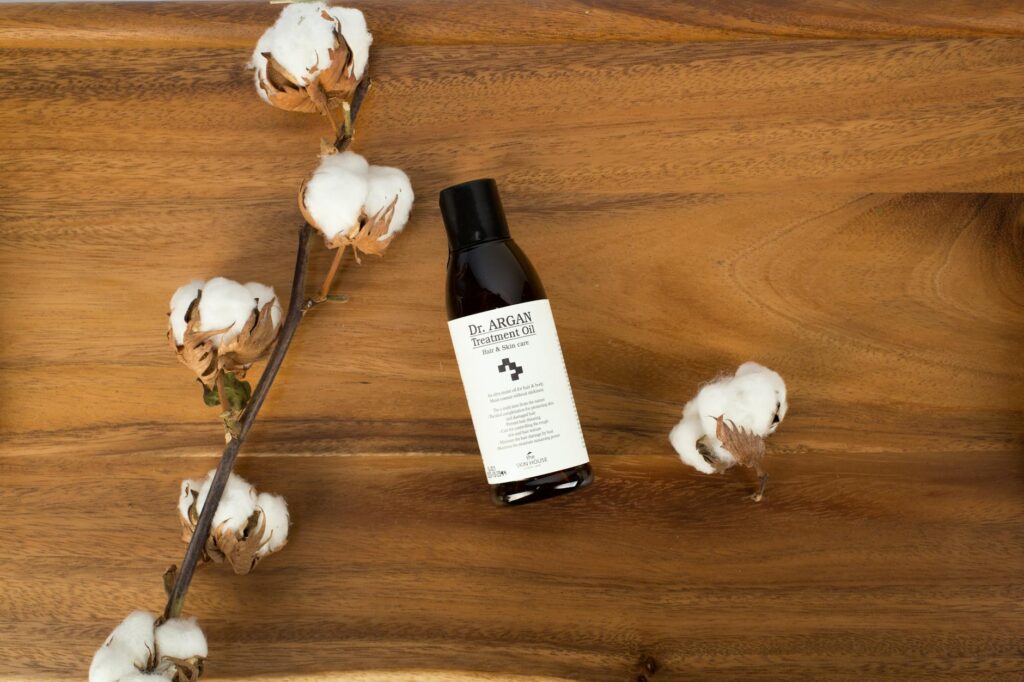
Complete Guide to Argan Oil Part 15
Introduction
In the realm of essential oils and natural skincare, argan oil has garnered significant attention for its numerous benefits and versatile applications. Derived from the nuts of the argan tree (Argania spinosa), which is native to Morocco, this oil has been used for centuries for its nourishing properties. This guide aims to provide a comprehensive overview of argan oil, exploring its origins, benefits, uses, and more, while adhering to a neutral educational tone.
What Is Argan Oil?
Argan oil is a plant-derived oil extracted from the kernels of the argan tree’s fruit. The process of obtaining this oil is labor-intensive, traditionally involving the manual cracking of the nuts to extract the kernels, which are then cold-pressed to yield the oil. This method preserves the oil’s beneficial properties, ensuring it remains rich in essential nutrients.
Rich in fatty acids, particularly oleic and linoleic acids, argan oil is also a source of antioxidants, vitamins E and A, and phytosterols. These components contribute to its acclaimed nourishing and moisturizing properties, making it a popular choice in both cosmetic and culinary applications.
Key Benefits and Properties
Argan oil is renowned for its multitude of benefits, which can be attributed to its unique composition. Here are some of the key properties and benefits:
1. Moisturization
Argan oil is an excellent moisturizer due to its high content of fatty acids. It helps to hydrate the skin, making it suitable for various skin types, including dry and sensitive skin.
2. Anti-Aging Properties
The antioxidants present in argan oil, particularly vitamin E, combat oxidative stress, which can lead to premature aging. Regular application may help reduce the appearance of fine lines and promote a more youthful complexion.
3. Skin Healing
Argan oil possesses anti-inflammatory properties that can aid in soothing irritated skin. It is often used to help alleviate conditions such as eczema and psoriasis, although individual results may vary.
4. Hair Health
Argan oil is a popular ingredient in hair care products due to its ability to nourish and hydrate hair. It can help reduce frizz, enhance shine, and protect against heat damage.
5. Nail Care
The moisturizing properties of argan oil extend to nail care, where it can help strengthen nails and soften cuticles, promoting healthy nail growth.
Common Uses
Argan oil’s versatility allows it to be used in a variety of applications:
1. Cosmetic Uses
- Facial Moisturizer: It can be used as a daily facial moisturizer, either alone or mixed with other essential oils.
- Body Lotion: Due to its rich texture, it serves as an effective body lotion, particularly for dry areas.
- Hair Treatment: It can be applied as a leave-in conditioner or used as a hair mask before shampooing.
- Lavender: For relaxation and stress relief.
- Tea Tree: For its antiseptic properties.
- Rosemary: To invigorate and enhance mental clarity.
- Dark Glass Container: Store argan oil in a dark glass container to protect it from light, which can degrade its quality.
- Cool, Dry Place: Keep the oil in a cool, dry place away from direct sunlight and heat sources.
- Shelf Life: When stored correctly, argan oil can last for up to 24 months. However, it is advisable to check for any changes in smell or appearance before use.
2. Culinary Uses
In addition to its cosmetic applications, argan oil is also used in cooking, especially in Moroccan cuisine. It is often drizzled over salads or used as a dip for bread, imparting a rich, nutty flavor.
3. Soap and Candle Making
Argan oil is increasingly used in handmade soaps and candles, where it adds moisturizing properties and a pleasant scent.
Aromatherapy Applications
While argan oil is not typically used as a standalone essential oil in aromatherapy, it can serve as a carrier oil for diluting essential oils. Its light texture and skin-friendly properties make it an ideal choice for blending with various essential oils, allowing for the creation of personalized aromatherapy blends.
Common essential oils that pair well with argan oil include:
When combining essential oils with argan oil, it’s crucial to follow appropriate dilution guidelines to ensure safety and efficacy.
Safety Considerations
Argan oil is generally regarded as safe for topical use and culinary applications. However, certain precautions should be observed:
1. Allergies: Although rare, allergic reactions may occur. It’s advisable to perform a patch test before using it extensively on the skin.
2. Quality: Ensure that you are using high-quality, cold-pressed argan oil, as lower-quality oils may be diluted or contain additives.
3. Consultation: While argan oil is safe for most individuals, those with specific health conditions or concerns should consult with a healthcare professional before use.
Storage and Shelf Life
To preserve the quality of argan oil, it is essential to store it properly. Here are some storage tips:
Frequently Asked Questions
1. Can argan oil be used on all skin types?
Yes, argan oil is suitable for most skin types, including dry, oily, and sensitive skin. Its non-comedogenic nature means it is unlikely to clog pores.
2. Is argan oil safe for use during pregnancy?
Generally, argan oil is considered safe for topical use during pregnancy. However, it is always best to consult with a healthcare provider before introducing new products into your skincare routine during this time.
3. How can I incorporate argan oil into my daily routine?
Argan oil can be used as a moisturizer, hair conditioner, or even as a cooking oil. It can be applied directly to the skin or mixed with other products for enhanced benefits.
4. Can argan oil help with acne?
While argan oil is beneficial for hydrating the skin, its effectiveness in treating acne varies by individual. Its anti-inflammatory properties may help soothe irritated skin, but it should be used with caution on acne-prone skin.
5. Is argan oil vegan?
Yes, argan oil is derived from plant sources and is considered vegan.
Conclusion
Argan oil stands out as a remarkable natural oil, celebrated for its versatile applications and beneficial properties. From skincare to culinary uses, its rich composition offers numerous advantages, making it a prized ingredient across various industries. With proper understanding and application, argan oil can be a valuable addition to your beauty and wellness regimen. As with any natural product, it is essential to approach its use with mindfulness and care, ensuring safety and efficacy for your unique needs.