
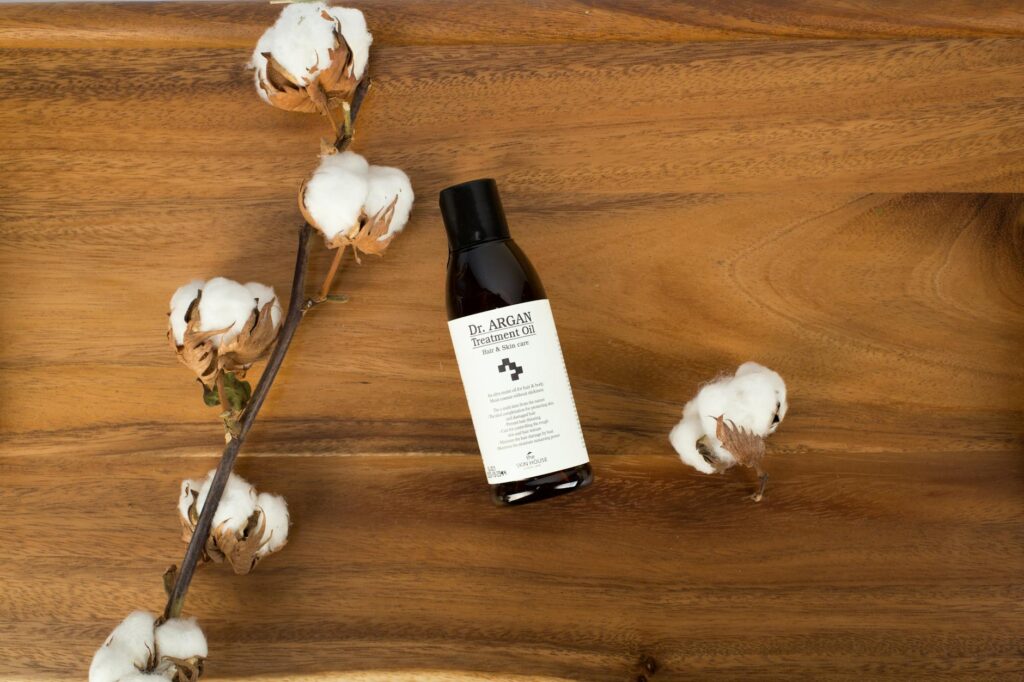
Complete Guide to Argan Oil Part 16
Introduction
Argan oil, often referred to as “liquid gold,” has gained immense popularity in recent years, particularly for its diverse applications in beauty and wellness. Extracted from the nuts of the Argan tree (Argania spinosa), which is native to Morocco, this oil is rich in nutrients and possesses unique properties that make it a valuable addition to various products. This guide aims to provide an in-depth understanding of argan oil, its benefits, common uses, and applications in aromatherapy.
What Is Argan Oil?
Argan oil is derived from the seeds of the argan tree, which thrives in the semi-arid regions of Morocco. The extraction process involves harvesting the nuts, roasting them (optional), and then cold-pressing them to obtain the oil. This traditional method preserves the oil’s integrity and ensures that it retains its beneficial properties.
The oil has a light, nutty aroma and a golden-yellow color. It is composed mainly of fatty acids, including oleic and linoleic acids, as well as vitamin E, antioxidants, and phenolic compounds. These components contribute to argan oil’s unique characteristics and its effectiveness in various applications.
Key Benefits and Properties
Argan oil is celebrated for its myriad benefits, thanks to its rich composition:
1. Moisturization: The high content of fatty acids makes argan oil an excellent moisturizer for both skin and hair. It penetrates easily, providing hydration without a greasy residue.
2. Antioxidant Properties: Argan oil is rich in vitamin E and other antioxidants, which help to combat oxidative stress and promote skin health.
3. Anti-Inflammatory Effects: The oil’s phenolic compounds possess anti-inflammatory properties, which can help soothe irritated skin.
4. Nourishment: Essential fatty acids in argan oil contribute to skin barrier function, helping to retain moisture and improve overall skin texture.
5. Hair Repair: Argan oil has been shown to improve the strength and elasticity of hair, making it a popular ingredient in hair care products.
6. Anti-Aging: Regular use of argan oil may reduce the appearance of fine lines and wrinkles, promoting a youthful look.
Common Uses
Argan oil is versatile and can be used in various ways:
1. Skin Care
- Moisturizer: Apply directly to the skin to hydrate and nourish.
- Serum: Mix with essential oils for enhanced benefits.
- Makeup Remover: Gently removes makeup while moisturizing the skin.
- Conditioner: Use as a leave-in conditioner to tame frizz and add shine.
- Scalp Treatment: Massage into the scalp to promote healthy hair growth.
- Cuticle Oil: Apply to soften cuticles and strengthen nails.
- Cooking Oil: Used in salad dressings and drizzled over dishes for added flavor.
- Nutritive Benefits: Rich in essential fatty acids, it can promote overall health when included in the diet.
- Argan oil can be blended with essential oils like lavender or chamomile to create a soothing massage oil.
- Combine argan oil with essential oils such as tea tree or frankincense for skincare formulations aimed at addressing specific skin concerns.
- While not typically used in diffusers, argan oil can be massaged into the skin before using essential oils for enhanced absorption and benefits.
- Allergic Reactions: Conduct a patch test before using argan oil for the first time to check for any allergic reactions.
- Quality of Oil: Choose high-quality, pure argan oil to ensure maximum benefits. Look for organic certification and cold-pressed extraction methods.
- Consultation: If you have specific skin conditions or concerns, consult a qualified professional before integrating argan oil into your routine.
- Store in a Cool, Dark Place: Exposure to heat and light can degrade the oil. Store it in a cool, dark cabinet or pantry.
- Use Dark Glass Bottles: Opt for dark glass containers, which protect the oil from light exposure.
- Seal Tightly: Ensure the cap is tightly sealed to prevent oxidation.
- Shelf Life: When stored correctly, argan oil can last up to 2 years. However, it’s best to check for any changes in smell or consistency before use.
2. Hair Care
3. Nail Care
4. Culinary Uses
Aromatherapy Applications
While argan oil is not an essential oil, it can play a supportive role in aromatherapy when used as a carrier oil. Its light texture and moisturizing properties make it an excellent base for blending with essential oils. Here are some common aromatherapy applications:
1. Massage Oil
2. Skin Formulations
3. Diffusion
Safety Considerations
Although argan oil is generally considered safe for topical use, it is essential to keep the following points in mind:
Storage and Shelf Life
Argan oil has a relatively long shelf life when stored properly. Here are some tips for maintaining its quality:
Frequently Asked Questions
Q1: Is argan oil suitable for all skin types?
Yes, argan oil is generally suitable for all skin types, including sensitive skin. Its lightweight texture makes it easy to absorb without clogging pores. However, individual reactions may vary, so a patch test is advisable.
Q2: Can argan oil be used on oily skin?
Yes, argan oil can benefit oily skin by providing hydration without being overly heavy. Its non-comedogenic properties help balance oil production.
Q3: Can I use argan oil on my face daily?
Yes, many people use argan oil daily as part of their skincare routine. Its moisturizing and nourishing properties make it an excellent choice for maintaining healthy skin.
Q4: How can I incorporate argan oil into my hair care routine?
You can use argan oil as a leave-in conditioner, a deep conditioning treatment, or to tame frizz. Simply apply a small amount to damp or dry hair, focusing on the ends.
Q5: Is it safe to consume argan oil?
Yes, culinary-grade argan oil is safe for consumption and is rich in essential fatty acids. It is best used in salad dressings or drizzled over dishes, rather than for high-heat cooking.
Conclusion
Argan oil is a remarkable natural oil with a wealth of benefits and applications. Whether used in skincare, hair care, or culinary contexts, its unique properties make it a valuable addition to personal care and wellness routines. Understanding its uses, benefits, and proper storage can help you make the most of this versatile oil. As always, individual experiences may vary, so it’s essential to find what works best for you.