
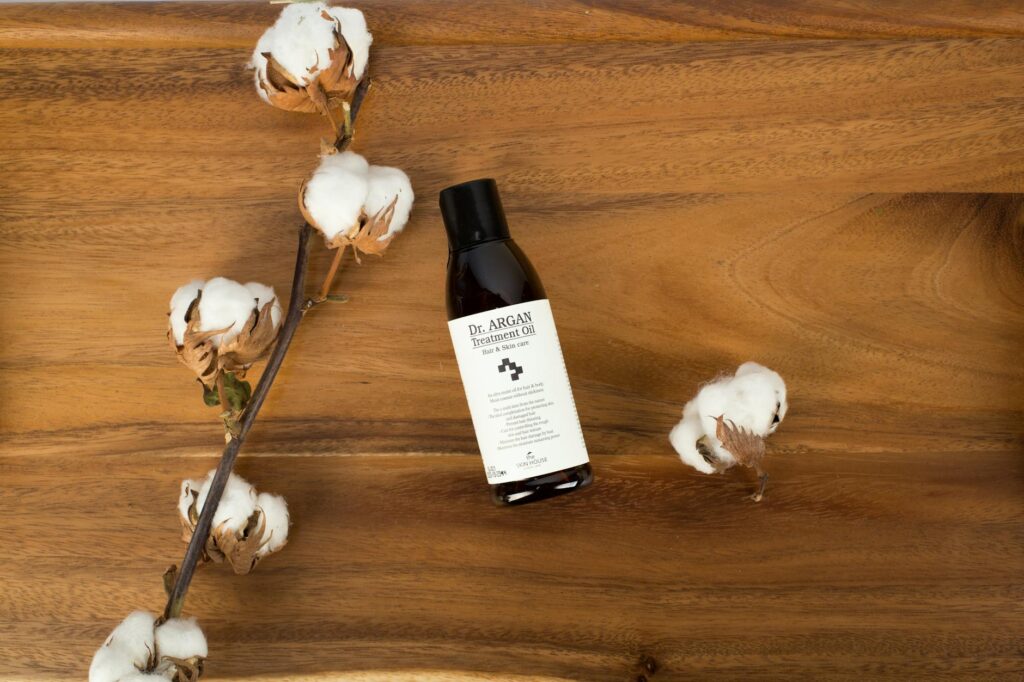
Complete Guide to Argan Oil Part 3
Introduction
Argan oil, extracted from the nuts of the Argania spinosa tree native to Morocco, is celebrated for its rich nutrient profile and diverse applications. This guide explores the multifaceted nature of argan oil, focusing on its benefits, common uses, and its role in aromatherapy. As interest in natural and holistic wellness continues to grow, understanding the properties and applications of argan oil becomes increasingly relevant.
What Is Argan Oil?
Argan oil is a plant oil derived from the fruit of the argan tree, which thrives in the arid regions of Morocco. The extraction process involves several steps: the fruit is harvested, the nuts are removed, and the kernels are cold-pressed to yield the oil. This oil is notable for its high content of fatty acids, antioxidants, and vitamin E, contributing to its popularity in cosmetic and culinary applications. Argan oil is often categorized into two types: culinary argan oil, which is used for cooking and food preparation, and cosmetic argan oil, which is primarily used in skincare and haircare products.
Key Benefits and Properties
Argan oil is often lauded for its numerous beneficial properties, making it a staple in both beauty and wellness industries. Its key benefits include:
- Moisturizing Properties: Rich in oleic and linoleic acids, argan oil is an excellent moisturizer, helping to hydrate the skin and prevent dryness.
- Antioxidant Effects: The oil is packed with vitamin E and phenolic compounds, providing a protective effect against oxidative stress and free radicals.
- Anti-Inflammatory: Argan oil may help reduce inflammation, making it beneficial for conditions like acne or eczema.
- Nourishing Hair: It is known to enhance hair health by promoting shine, reducing frizz, and improving overall texture.
- Skin Protection: Argan oil can create a barrier on the skin, protecting it from environmental damage and UV rays.
- Moisturizer: Applied directly to the skin, argan oil is an effective moisturizer for both face and body. It can be used alone or mixed with other products.
- Anti-Aging: Its high antioxidant content makes it a popular ingredient in anti-aging formulations, helping to minimize the appearance of fine lines.
- Acne Treatment: While it may seem counterintuitive, argan oil can be beneficial for oily skin types, as it helps balance oil production without clogging pores.
- Conditioner: Argan oil can be used as a leave-in conditioner, helping to detangle hair and add moisture.
- Heat Protectant: Applying argan oil before heat styling can provide a protective barrier against damage.
- Scalp Treatment: Massaging the oil into the scalp can promote healthier hair growth and alleviate dryness.
- Patch Test: Individuals with sensitive skin should perform a patch test before using argan oil extensively to check for any adverse reactions.
- Quality of Oil: It is essential to choose high-quality, pure argan oil, as some products may contain additives or fillers. Look for cold-pressed and organic certifications when purchasing.
- Pregnancy and Nursing: While argan oil is considered safe for topical use, pregnant or nursing individuals should consult a healthcare provider before incorporating it into their routine.
- Cool, Dark Place: Store argan oil in a cool, dark place away from direct sunlight and heat, which can degrade the oil over time.
- Tightly Sealed Containers: Ensure the container is tightly sealed to prevent oxidation and contamination.
- Shelf Life: When stored correctly, argan oil can last anywhere from 12 to 24 months. However, it is advisable to check for any changes in smell or appearance before use.
Common Uses
Argan oil’s versatility allows it to be utilized in various domains, including:
Skincare
Haircare
Culinary Uses
Culinary argan oil has a nutty flavor and is often used in traditional Moroccan cuisine. It can be drizzled over salads, incorporated into dips, or used in marinades.
Aromatherapy Applications
While argan oil is not an essential oil, it can play a supportive role in aromatherapy when used as a carrier oil. Its lightweight texture allows it to blend well with essential oils, making it an excellent choice for diluting more potent oils. Some common applications include:
Massage
Argan oil is often used in massage therapy due to its moisturizing properties. Blending it with essential oils, such as lavender or eucalyptus, can enhance the sensory experience while promoting relaxation.
Skin Treatments
In aromatherapy blends aimed at skincare, argan oil serves as a carrier for essential oils known for their skin benefits, such as tea tree oil or geranium oil.
Diffuser Blends
While argan oil is not typically used in diffusers, it can be incorporated into homemade skincare products that are enhanced with essential oils for a calming aromatic experience.
Safety Considerations
While argan oil is generally safe for topical use, certain precautions should be taken:
Storage and Shelf Life
Proper storage of argan oil is crucial for maintaining its quality and effectiveness. Here are some guidelines:
Frequently Asked Questions
Is argan oil suitable for all skin types?
Yes, argan oil is generally suitable for all skin types, including oily, dry, and sensitive skin. Its lightweight texture allows it to absorb easily without clogging pores.
Can I use argan oil as a cooking oil?
Yes, culinary argan oil can be used in cooking. However, it is best used as a finishing oil due to its low smoke point. It is excellent for drizzling over salads or adding to dips.
How can I incorporate argan oil into my daily routine?
Argan oil can be used in various ways, including as a moisturizer, hair treatment, or as part of your cooking. You may also blend it with essential oils for massage or skincare applications.
Is argan oil safe for children?
Argan oil is generally safe for children. However, it is always best to consult a healthcare provider before introducing new products into a child’s skincare routine.
What should I look for when purchasing argan oil?
When purchasing argan oil, look for products that are labeled as cold-pressed and organic. This ensures that the oil retains its beneficial properties and is free from harmful additives.
Conclusion
Argan oil is a remarkable natural resource that offers a wide range of benefits for skin, hair, and culinary applications. Its unique composition makes it a versatile oil favored in both beauty and wellness industries. Understanding its properties, uses, and safety considerations can help individuals make informed choices about incorporating argan oil into their daily routines. As interest in natural products continues to rise, argan oil stands out as an exemplary choice for holistic self-care.