
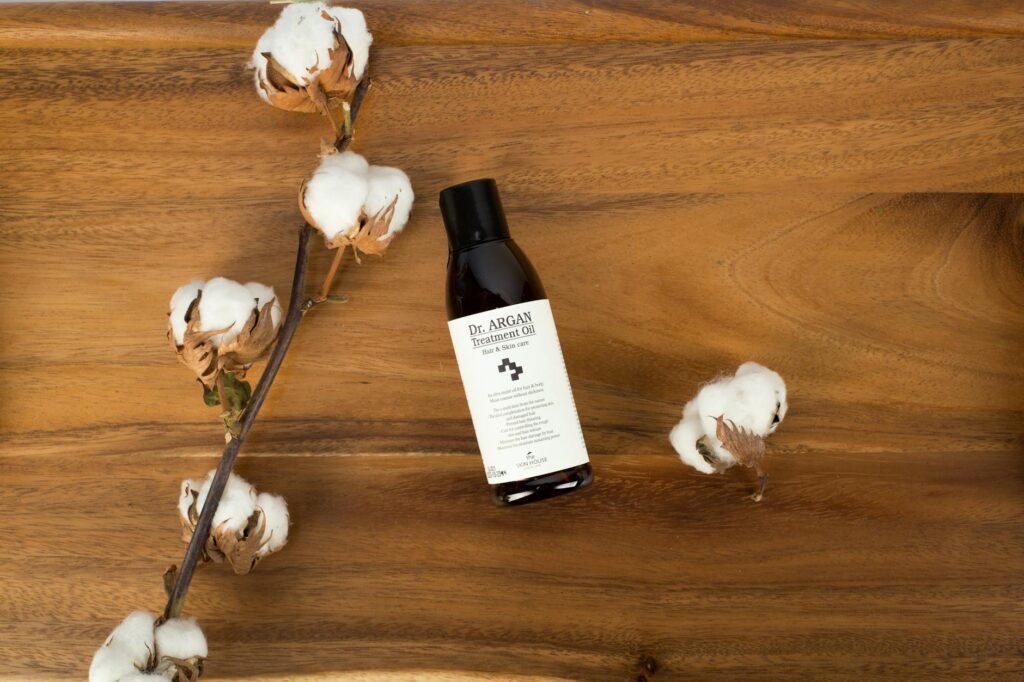
Complete Guide to Argan Oil Part 4
Introduction
Argan oil, derived from the nuts of the Argan tree (Argania spinosa), native to Morocco, has gained global recognition for its diverse applications in beauty, wellness, and culinary practices. This article serves as a comprehensive guide to the properties, benefits, and uses of argan oil, providing readers with a thorough understanding of this remarkable oil.
What Is Argan Oil?
Argan oil is extracted through a meticulous process involving the roasting, crushing, and pressing of the nuts found within the fruit of the Argan tree. The oil can be classified into two main types: culinary argan oil, which is used for cooking and as a salad dressing, and cosmetic argan oil, which is primarily used for skin and hair care. Rich in nutrients, argan oil is often referred to as “liquid gold” due to its numerous beneficial properties.
Key Benefits and Properties
Argan oil is celebrated for its rich composition, which includes:
- Fatty Acids: Comprising approximately 80% of the oil, these essential fatty acids, particularly oleic and linoleic acids, contribute to its moisturizing and nourishing properties.
- Vitamin E: A potent antioxidant, vitamin E helps to combat free radicals, promoting skin health and reducing signs of aging.
- Phenolic Compounds: These compounds offer anti-inflammatory properties, making argan oil beneficial for soothing irritated skin.
- Squalene: This natural emollient helps to hydrate the skin and improve its elasticity.
Together, these components contribute to argan oil’s ability to moisturize, nourish, and protect the skin and hair.
Common Uses
Argan oil is widely recognized for its versatility and can be used in various ways:
1. Skin Care
Argan oil is often incorporated into skincare routines for its hydrating properties. It can be applied directly to the skin or mixed with other products to enhance moisture retention. Its texture allows for easy absorption, making it suitable for all skin types.
2. Hair Care
Many individuals use argan oil as a leave-in conditioner or hair serum. It can help to tame frizz, add shine, and improve overall hair health. When applied to the scalp, it may also help to promote a healthy environment for hair growth.
3. Nail Care
Argan oil can be used to moisturize cuticles and strengthen nails. Regular application may help prevent brittleness and breakage.
4. Culinary Uses
In culinary applications, argan oil is often drizzled over salads, vegetables, or meats. Its nutty flavor adds depth to various dishes, and it is rich in nutrients, making it a healthful addition to meals.
Aromatherapy Applications
While argan oil is not an essential oil, it can be blended with essential oils for aromatherapy purposes. Its carrier oil properties make it an ideal medium for diluting more potent essential oils, allowing for safe topical application. Some popular essential oil combinations include:
1. Lavender and Argan Oil
Combining lavender essential oil with argan oil can enhance relaxation and promote a calming atmosphere. This blend can be used in massage or as a nourishing facial oil.
2. Tea Tree and Argan Oil
Tea tree oil is known for its antiseptic properties. When mixed with argan oil, it can be applied to blemished skin to help reduce inflammation and promote healing.
3. Peppermint and Argan Oil
This invigorating blend can be used in hair care to stimulate the scalp and promote a refreshing sensation.
When using argan oil in aromatherapy, it is important to consider the quality of both the carrier and essential oils, ensuring they are pure and free from additives.
Safety Considerations
Argan oil is generally considered safe for topical use and consumption. However, some individuals may experience allergic reactions or skin sensitivities. It is advisable to perform a patch test before applying argan oil to the skin, especially for those with sensitive skin or known allergies.
Allergies
While rare, some people may be allergic to argan oil. Symptoms may include redness, itching, or swelling. If any adverse effects occur, discontinue use and consult a healthcare professional.
Interactions
Those with specific health conditions or who are pregnant or breastfeeding should seek guidance from a healthcare professional before incorporating argan oil into their regimen.
Storage and Shelf Life
Proper storage is essential to maintain the quality of argan oil. Here are some guidelines:
1. Keep Away from Heat and Light
Store argan oil in a cool, dark place to prevent oxidation. Exposure to heat and light can degrade the oil, reducing its effectiveness.
2. Use Dark Glass Bottles
If possible, purchase argan oil that comes in dark glass bottles. This type of packaging helps to protect the oil from light exposure.
3. Shelf Life
When stored correctly, argan oil can last up to two years. However, it is advisable to check for any changes in smell or color, which may indicate that the oil has gone rancid.
Frequently Asked Questions
1. Is argan oil suitable for all skin types?
Yes, argan oil is generally well-tolerated by all skin types, including sensitive skin. Its non-comedogenic properties make it suitable for acne-prone individuals as well.
2. Can argan oil be used on oily skin?
Yes, despite being an oil, argan oil can help regulate sebum production. It hydrates the skin without clogging pores, making it suitable for oily skin types.
3. How can I incorporate argan oil into my hair care routine?
Argan oil can be used as a leave-in treatment, added to shampoos or conditioners, or applied directly to damp hair for added moisture and shine.
4. Can I use argan oil for cooking?
Yes, culinary argan oil can be used in cooking, particularly in salad dressings or drizzled over cooked dishes. However, it is best not to heat culinary argan oil to preserve its nutritional qualities.
5. Where can I buy high-quality argan oil?
High-quality argan oil can be found in health food stores, specialty shops, or online retailers. Look for organic, cold-pressed options that are packaged in dark glass bottles for optimal quality.
Conclusion
Argan oil is a versatile and nutrient-rich oil that offers numerous benefits for skin, hair, and culinary applications. Its rich composition of fatty acids, antioxidants, and vitamins makes it a valuable addition to various beauty and wellness routines. With careful consideration of safety and storage, argan oil can be a beneficial asset in achieving healthy skin and hair. Always ensure you are using high-quality products to enjoy the full range of benefits that argan oil has to offer.