
Complete Guide to Argan Oil Part 5
Introduction
Argan oil, derived from the nuts of the Argania spinosa tree, has garnered attention for its myriad uses and benefits, particularly in the realm of beauty and wellness. Originating from Morocco, this oil has been cherished for centuries not only in local traditions but also increasingly in global markets. In this guide, we will delve into the essential aspects of argan oil, exploring its properties, common applications, and involvement in aromatherapy, while adhering to safety considerations and storage guidelines.
What Is Argan Oil?
Argan oil is a plant oil extracted from the kernels of the argan tree, which is native to Morocco. The extraction process typically involves either cold-pressing the nuts or roasting them to produce a culinary variant of the oil. The resulting oil is rich in fatty acids, antioxidants, and vitamins, making it a valuable addition to skincare, haircare, and culinary practices.
The oil is characterized by its light texture and nutty aroma, which can vary depending on the extraction method used. Cold-pressed argan oil retains a more potent nutrient profile, while roasted versions are favored for culinary uses due to their enhanced flavor.
Key Benefits and Properties
Argan oil is renowned for its rich composition, which includes:
- Essential Fatty Acids: Primarily oleic and linoleic acids, which are known to nourish and moisturize the skin and hair.
- Vitamin E: A powerful antioxidant that helps protect cells from oxidative damage and promotes skin health.
- Phenolic Compounds: These compounds contribute to the oil’s antioxidant properties, enhancing its ability to combat free radicals.
- Squalene: A natural emollient that provides moisture and helps maintain skin elasticity.
- Moisturizing: Argan oil is an effective moisturizer, suitable for various skin types, including oily and sensitive skin.
- Anti-Aging: The antioxidants in argan oil can help reduce the appearance of fine lines and wrinkles, contributing to youthful-looking skin.
- Hair Health: Regular use of argan oil can enhance hair shine, reduce frizz, and promote overall hair strength.
- Skin Healing: The oil may assist in the healing of minor abrasions and skin irritations due to its anti-inflammatory properties.
- Relaxing Massage Oil: Combine 2 tablespoons of argan oil with 5 drops of lavender essential oil for a calming massage blend.
- Hydrating Body Oil: Mix 1 tablespoon of argan oil with 3 drops of rose essential oil for a luxurious body oil that promotes moisture and relaxation.
- Allergic Reactions: Although rare, some individuals may experience allergic reactions to argan oil. It is advisable to perform a patch test on a small area of skin before widespread use.
- Quality Matters: Ensure that the argan oil is 100% pure and preferably cold-pressed to maximize its benefits.
- Consultation: While argan oil is safe for most users, those with specific skin conditions or allergies should consult a healthcare professional before use.
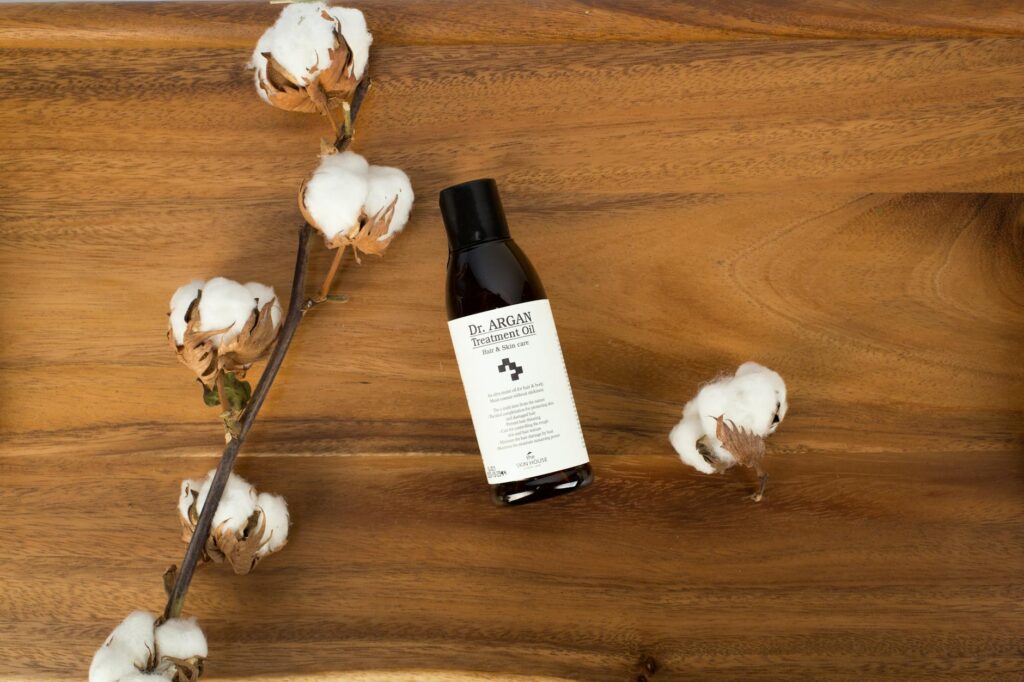
- Container: Use a dark glass bottle to protect the oil from light, which can degrade its quality over time.
- Temperature: Store the oil in a cool, dry place away from direct sunlight and heat sources to prevent rancidity.
- Shelf Life: When stored correctly, argan oil generally has a shelf life of about 12 to 24 months.
These components work synergistically to provide several benefits, including:
Common Uses
Argan oil is versatile and can be applied in various ways, including:
1. Skincare
Argan oil is widely used in skincare formulations. It can be applied directly to the skin or incorporated into creams, serums, and lotions. Its moisturizing properties make it suitable for dry skin, while its lightweight texture allows it to absorb easily without clogging pores.
2. Haircare
As a conditioner or styling agent, argan oil can enhance hair texture and manageability. It is often included in shampoos, conditioners, and hair masks. Users may apply it directly to the hair as a treatment to combat dryness and split ends.
3. Culinary Uses
Roasted argan oil is commonly used in Moroccan cuisine, adding a unique nutty flavor to dishes. It can be drizzled over salads, used in marinades, or incorporated into dips.
4. Nail and Cuticle Care
Argan oil can also be applied to nails and cuticles to promote hydration and prevent breakage.
5. Massage Oil
Due to its smooth texture, argan oil can be used as a base for massage oils, providing hydration while facilitating smooth movement over the skin.
Aromatherapy Applications
While argan oil is not an essential oil, it can serve as an excellent carrier oil in aromatherapy practices. When blended with essential oils, it can help dilute the potency of the essential oils, making them safe for topical application.
1. Carrier Oil
Argan oil’s light consistency and skin-nourishing properties make it a popular choice as a carrier oil for essential oils such as lavender, tea tree, or frankincense.
2. Blending
When using argan oil in conjunction with essential oils, it is recommended to mix a few drops of essential oil with a tablespoon of argan oil. This combination can be used for massages or added to bathwater for an aromatic experience.
3. Aromatherapy Recipes
Safety Considerations
Argan oil is generally considered safe for topical use. However, there are some considerations to keep in mind:
Storage and Shelf Life
To maintain the quality and efficacy of argan oil, it is essential to store it properly:
Frequently Asked Questions
1. Can argan oil be used on all skin types?
Yes, argan oil is suitable for various skin types. Its lightweight texture makes it particularly beneficial for oily and combination skin, while its moisturizing properties are ideal for dry skin types.
2. Is argan oil safe for hair?
Absolutely. Argan oil is safe for all hair types and can help improve moisture, shine, and overall hair health.
3. Can I use argan oil on my face?
Yes, argan oil is commonly used in facial skincare routines. It can help hydrate and nourish the skin without clogging pores.
4. How do I choose high-quality argan oil?
Opt for 100% pure, cold-pressed argan oil from reputable brands. Look for certifications or ingredient lists that confirm the oil’s purity.
5. Can argan oil be consumed?
Yes, roasted argan oil is safe for culinary use and can be used to enhance the flavor of various dishes. However, it is essential to ensure that the oil is specifically labeled for culinary purposes.
Conclusion
Argan oil stands as a remarkable natural product with a rich history and a breadth of applications in skincare, haircare, and culinary use. Its extensive nutrient profile offers numerous benefits, making it a valuable addition to any wellness routine. Whether used on its own or in conjunction with essential oils, argan oil can enhance both physical and sensory experiences. By adhering to safety considerations and proper storage practices, users can enjoy the full spectrum of benefits that this exceptional oil has to offer.