
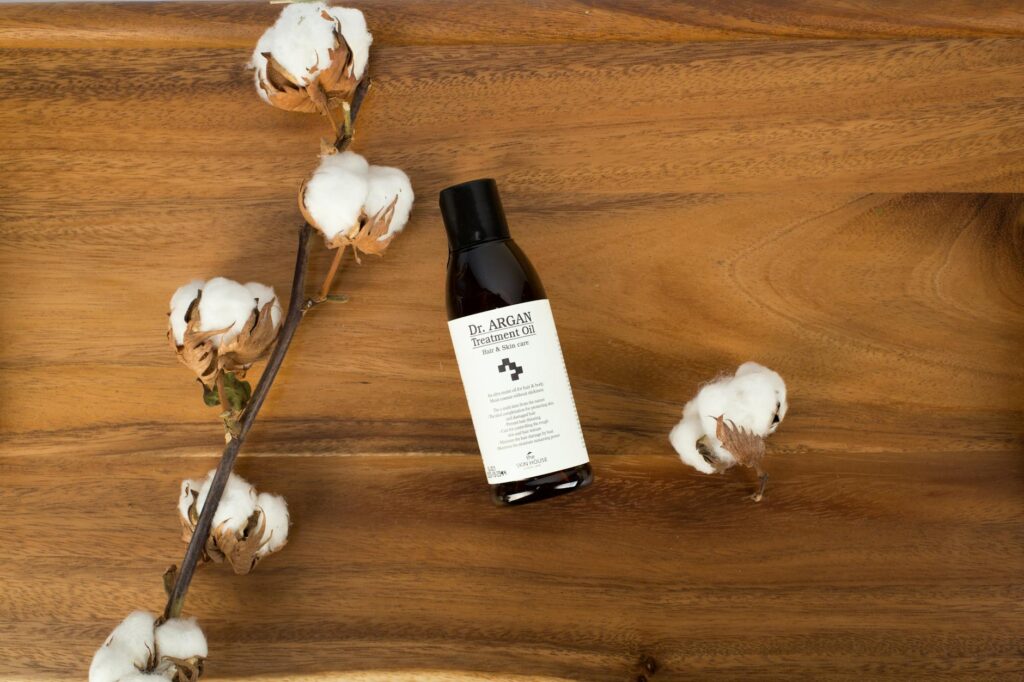
Complete Guide to Argan Oil Part 6
Introduction
Argan oil has gained significant attention over the years due to its numerous uses and benefits. Extracted from the nuts of the Argan tree (Argania spinosa), native to Morocco, this oil is rich in nutrients and is celebrated for its versatility in both culinary and cosmetic applications. In this installment, we will delve deeper into the properties, uses, and safety considerations associated with argan oil, providing a comprehensive overview for those interested in incorporating this remarkable oil into their routines.
What Is Argan Oil?
Argan oil is a plant-derived oil obtained from the nuts of the Argan tree, a species that grows primarily in the semi-desert regions of Morocco. The extraction process is labor-intensive; traditionally, women from local cooperatives have been involved in hand-cracking the nuts to retrieve the seeds, which are then cold-pressed to produce the oil.
There are two primary types of argan oil: culinary and cosmetic. Culinary argan oil has a nutty flavor and is often used in Moroccan cuisine, while cosmetic argan oil is used for skin and hair care. Both types share a similar nutrient profile, rich in fatty acids, antioxidants, and vitamins.
Key Benefits and Properties
1. Nutrient-Rich Composition: Argan oil is high in unsaturated fatty acids, particularly oleic and linoleic acids, which are essential for maintaining healthy skin and hair. It also contains tocopherols (vitamin E), which are powerful antioxidants that help combat oxidative stress.
2. Moisturizing Properties: Thanks to its rich fatty acid content, argan oil is an excellent moisturizer. It helps to hydrate the skin and can prevent moisture loss, making it suitable for dry or dehydrated skin types.
3. Anti-Inflammatory Effects: Some studies suggest that argan oil may have anti-inflammatory properties, which can be beneficial for conditions such as acne or psoriasis, although further research is needed.
4. Anti-Aging Benefits: The antioxidants present in argan oil, particularly vitamin E, can help reduce the appearance of fine lines and wrinkles, promoting a more youthful complexion.
5. Hair Care Benefits: Argan oil is often used to nourish and revitalize hair. It can help tame frizz, add shine, and improve overall hair health.
Common Uses
Culinary Uses
In culinary applications, argan oil is often drizzled over salads, vegetables, or couscous dishes, providing a distinct nutty flavor. It can also be used as a dip for bread or as a finishing oil for soups and stews.
Cosmetic Uses
Argan oil is widely used in skincare and haircare products. It can be found in lotions, creams, serums, shampoos, and conditioners. Its moisturizing properties make it ideal for dry skin and hair, while its antioxidants can help improve skin texture and tone.
Massage Oil
Due to its smooth texture and nourishing properties, argan oil is often used as a base oil for massage. It glides easily on the skin and can enhance the overall experience of the massage.
Aromatherapy Applications
While argan oil is not an essential oil, it serves as an excellent carrier oil in aromatherapy. Carrier oils dilute essential oils, allowing for safe topical application. When mixed with essential oils, argan oil can enhance the absorption of the active ingredients while providing its own moisturizing benefits.
Blending with Essential Oils
Common essential oils that blend well with argan oil include:
- Lavender: Known for its calming effects, lavender essential oil can be mixed with argan oil to create a soothing massage blend.
- Tea Tree: With its antiseptic properties, tea tree oil can be combined with argan oil for skincare applications targeting blemishes.
- Rosemary: This essential oil is known for its stimulating properties and can be combined with argan oil for hair care applications.
Safety Considerations
Argan oil is generally considered safe for topical use. However, it is always advisable to conduct a patch test before using it extensively, particularly for individuals with sensitive skin. Here are some safety considerations to keep in mind:
1. Patch Testing: Apply a small amount of argan oil to a discreet area of skin and observe for any adverse reactions over 24 hours.
2. Allergies: Individuals with nut allergies should exercise caution, as argan oil is derived from a nut. Consult with a healthcare provider if there are any concerns.
3. Quality Matters: The quality of argan oil can vary significantly. Look for cold-pressed, organic argan oil from reputable sources to ensure you are getting a high-quality product.
4. Storage: Store argan oil in a cool, dark place to maintain its efficacy and prevent rancidity.
Storage and Shelf Life
Proper storage of argan oil is crucial for preserving its beneficial properties. Here are guidelines for optimal storage:
1. Container: Argan oil should be stored in a dark glass bottle to protect it from light, which can degrade its quality.
2. Temperature: Keep the oil in a cool environment, ideally at room temperature, away from direct sunlight or heat sources.
3. Shelf Life: When stored properly, argan oil has a shelf life of approximately 12 to 24 months. Always check for any changes in scent or appearance before use.
Frequently Asked Questions
1. Is argan oil suitable for all skin types?
Argan oil is generally suitable for all skin types, including sensitive and oily skin. Its lightweight texture allows for easy absorption without clogging pores.
2. Can argan oil be used on hair every day?
Yes, argan oil can be used daily on hair. A few drops can be applied to the ends of hair to help with frizz and dryness.
3. Can I ingest argan oil?
Culinary argan oil is safe for consumption and can be used in cooking. However, cosmetic-grade argan oil should not be ingested.
4. How do I incorporate argan oil into my skincare routine?
Argan oil can be used as a moisturizer, added to serums, or used as a facial oil. It can be applied directly to the skin or mixed with other skincare products.
5. Is argan oil eco-friendly?
Sustainable harvesting practices are essential for preserving the Argan tree and supporting local communities. Look for brands that emphasize ethical sourcing and fair trade practices.
Conclusion
Argan oil is a versatile and nutrient-rich oil that offers a multitude of benefits for both culinary and cosmetic applications. Its rich composition makes it an excellent choice for skincare and haircare, while its use in aromatherapy provides additional options for enhancing wellness. By understanding the properties, uses, and safety considerations of argan oil, individuals can make informed choices about incorporating this remarkable oil into their daily routines.