
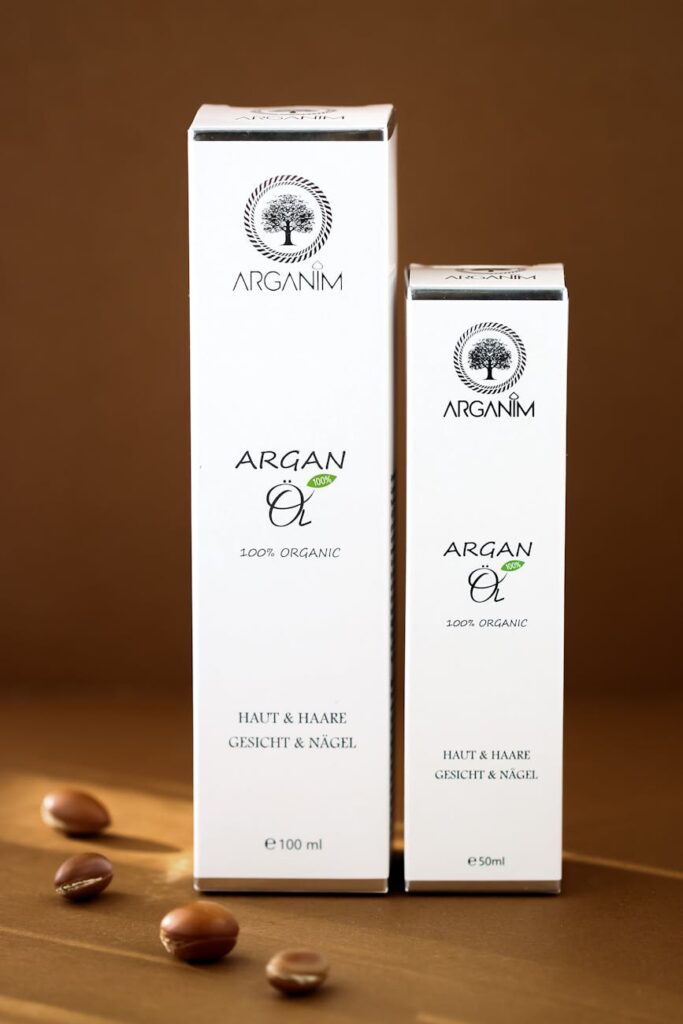
Complete Guide to Argan Oil Part 7
Introduction
Argan oil, often referred to as “liquid gold,” has gained significant attention in recent years due to its remarkable properties and diverse applications. Native to Morocco, this oil is derived from the nuts of the argan tree (Argania spinosa) and has been used for centuries by local populations for various purposes. In this comprehensive guide, we will explore what argan oil is, its key benefits and properties, common uses, applications in aromatherapy, safety considerations, storage recommendations, and address frequently asked questions.
What Is Argan Oil?
Argan oil is a plant oil extracted from the kernels of the argan tree, which is endemic to the semi-arid regions of southwestern Morocco. The unique climate and soil conditions of this area contribute to the oil’s rich composition. Traditional methods of extraction involve hand-cracking the hard shells of the argan nuts, followed by cold pressing to maintain the oil’s integrity. The oil is characterized by its nutty aroma and light texture, making it suitable for various applications, ranging from culinary uses to cosmetic formulations.
Key Benefits and Properties
Argan oil boasts a rich profile of nutrients, including fatty acids, antioxidants, and vitamins that contribute to its beneficial properties. Some of the key components include:
Fatty Acids
- Oleic Acid: This monounsaturated fatty acid is known for its moisturizing properties and is commonly found in many skin-care products.
- Linoleic Acid: An essential fatty acid that supports skin barrier function and helps maintain hydration.
- Vitamin E: A powerful antioxidant that promotes skin health and aids in wound healing.
- Vitamin A: Known for its role in skin cell regeneration and overall skin appearance.
- Temperature: Store argan oil in a cool, dark place, away from direct sunlight and heat sources. Excessive heat can degrade the oil’s quality.
- Container: Use a dark glass bottle to protect the oil from light exposure, which can cause oxidation.
Antioxidants
Argan oil contains a variety of antioxidants, including tocopherols (Vitamin E) and polyphenols, which help combat oxidative stress and protect the skin from environmental damage.
Vitamins
Common Uses
Argan oil is incredibly versatile and can be utilized in various ways, including:
Culinary Uses
In Moroccan cuisine, argan oil is used as a dressing for salads, drizzled over cooked vegetables, or as a dip for bread. It imparts a unique flavor and provides health benefits due to its rich nutrient profile.
Skin Care
Argan oil is a popular ingredient in skin-care products due to its moisturizing and nourishing properties. It is often used to hydrate dry skin, reduce the appearance of scars, and improve overall skin texture.
Hair Care
Many hair care products feature argan oil as a key ingredient because it helps to tame frizz, add shine, and improve manageability. It can also be used as a leave-in conditioner or treatment for dry and damaged hair.
Nail Care
Argan oil is beneficial for strengthening nails and moisturizing cuticles, making it a common ingredient in nail care products.
Aromatherapy Applications
While argan oil is not an essential oil, it is often used as a carrier oil in aromatherapy due to its light texture and nourishing properties. When blended with essential oils, argan oil can enhance their absorption and effectiveness. Common uses in aromatherapy include:
Massage Therapy
Argan oil is an excellent choice for massage therapy, providing a smooth glide and deep hydration for the skin. It can be blended with essential oils such as lavender, eucalyptus, or rosemary to create a soothing and fragrant massage oil.
Skin Nourishment
When combined with essential oils like tea tree or geranium, argan oil can serve as a nourishing treatment for skin issues, helping to enhance the overall benefits of the essential oils.
Diffusion
Although argan oil itself is not typically diffused, it can be used as a base for homemade aromatic blends that are applied topically. Its nourishing properties make it an ideal partner for essential oils that support skin health.
Safety Considerations
Argan oil is generally considered safe for topical use and consumption. However, it is essential to be aware of the following:
Allergies
Individuals with nut allergies should exercise caution when using argan oil, as it may cause allergic reactions in sensitive individuals.
Skin Sensitivity
While argan oil is well-tolerated by most skin types, it is advisable to conduct a patch test before widespread application. Apply a small amount to a discreet area and observe for any adverse reactions.
Quality
When selecting argan oil, choose high-quality, cold-pressed, and organic options to ensure the oil’s purity and effectiveness. Avoid products that contain additives or synthetic ingredients.
Storage and Shelf Life
To maintain the quality of argan oil, proper storage is crucial. Here are some guidelines:
Storage Conditions
Shelf Life
When stored correctly, argan oil has a shelf life of approximately 12 to 24 months. However, it is advisable to check for any changes in smell, color, or texture before use, as these can indicate spoilage.
Frequently Asked Questions
1. Can argan oil be used on all skin types?
Yes, argan oil is suitable for various skin types, including dry, oily, and combination skin. Its non-comedogenic properties make it a favorable option for those prone to breakouts.
2. Is argan oil safe for hair?
Absolutely! Argan oil is widely used in hair care products and can help moisturize, nourish, and protect hair from damage. It is particularly beneficial for dry, frizzy, or damaged hair.
3. How should I incorporate argan oil into my daily routine?
You can use argan oil as a moisturizer, hair treatment, or even as part of your cooking. For skin care, apply a few drops to your face or body after cleansing. For hair, apply a small amount to the ends or use it as a leave-in conditioner.
4. Can I use argan oil for cooking?
Yes, culinary-grade argan oil is safe for cooking and can enhance the flavor of various dishes. However, it is best used in dressings or drizzled over food rather than for high-heat cooking.
5. Where can I buy high-quality argan oil?
Look for reputable suppliers that offer organic, cold-pressed argan oil. Health food stores, specialty shops, and online retailers often carry high-quality options.
Conclusion
Argan oil is a versatile and nutrient-rich oil with a wide range of applications. Whether you are looking to enhance your culinary creations, nourish your skin, or improve your hair’s health, argan oil can be an invaluable addition to your personal care and wellness routine. By understanding its properties, uses, and safety considerations, you can make informed choices and fully enjoy the benefits of this remarkable oil.