
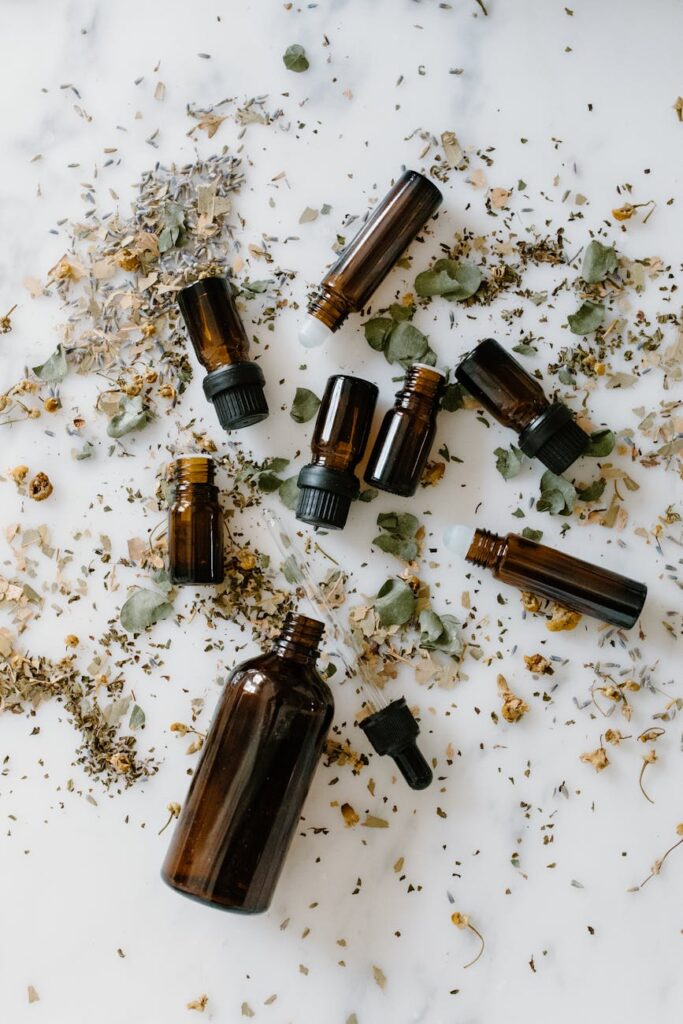
Complete Guide to Aromatherapy Blends for Anti-Inflammation
Introduction
Aromatherapy is the practice of using essential oils extracted from plants to promote physical and emotional well-being. Among the myriad of benefits attributed to these oils, their potential anti-inflammatory properties have garnered significant attention. In this guide, we will explore what aromatherapy blends for anti-inflammation are, their key benefits, common uses, applications, safety considerations, and storage tips.
What Is Aromatherapy Blends for Anti-Inflammation?
Aromatherapy blends for anti-inflammation are specifically formulated mixtures of essential oils that aim to reduce inflammation in the body. Inflammation is a natural response by the immune system, but when it becomes chronic, it can lead to various health issues. Essential oils are concentrated plant extracts, each containing a unique combination of chemical constituents that contribute to their therapeutic effects.
Common essential oils used in anti-inflammatory blends include:
- Lavender: Known for its calming properties, lavender also exhibits anti-inflammatory effects.
- Peppermint: This oil contains menthol, which can provide cooling relief and reduce inflammation.
- Eucalyptus: Often used for respiratory issues, eucalyptus oil is also recognized for its anti-inflammatory properties.
- Tea Tree: Renowned for its antimicrobial benefits, tea tree oil may also help alleviate inflammation.
- Frankincense: This ancient oil is celebrated for its ability to support overall health and reduce inflammation.
- Topical Application: Diluted blends can be applied directly to the skin to target localized inflammation.
- Diffusion: Using a diffuser to disperse the aroma of anti-inflammatory oils can create a soothing environment.
- Baths: Adding essential oils to bathwater can provide a relaxing experience while soothing inflamed areas.
- Inhalation: Direct inhalation of essential oils can quickly deliver their benefits to the respiratory system.
- 2 drops Lavender
- 2 drops Peppermint
- 2 drops Eucalyptus
- 1 teaspoon Carrier Oil
- 4 drops Frankincense
- 3 drops Lavender
- 2 drops Tea Tree
- 4 drops Eucalyptus
- 3 drops Lavender
- 1 tablespoon Carrier Oil
- 3 drops Peppermint
- 2 drops Tea Tree
Creating an effective blend involves combining these oils in proportions that enhance their individual properties while targeting inflammation.
Key Benefits and Properties
Aromatherapy blends formulated for anti-inflammation offer several potential benefits:
1. Pain Relief: Many essential oils have analgesic properties, which can help in alleviating pain associated with inflammation.
2. Reduced Swelling: Some oils may help decrease the swelling that often accompanies inflammatory responses.
3. Enhanced Circulation: Certain blends promote better blood circulation, which may assist in the healing process.
4. Stress Reduction: Chronic inflammation is often exacerbated by stress. Aromatherapy can help in managing stress levels, indirectly supporting inflammation reduction.
5. Improved Sleep Quality: Quality sleep is vital for recovery from inflammation; calming oils can help promote restful sleep.
Common Uses
Aromatherapy blends for anti-inflammation can be employed in various contexts, including:
Aromatherapy Applications
1. Topical Application
When applying essential oils to the skin, it’s crucial to dilute them with a carrier oil, such as coconut, jojoba, or almond oil. A common dilution ratio is 2-3 drops of essential oil per teaspoon of carrier oil. Target areas can include joints, muscles, or other inflamed regions.
Example Blend for Topical Use:
2. Diffusion
Diffusing essential oils can create a calming atmosphere in your home or workplace. Using a diffuser, add the desired number of drops of your anti-inflammatory blend to water, allowing the oils to disperse into the air.
Example Diffusion Blend:
3. Baths
Adding essential oils to a warm bath can enhance relaxation and provide localized relief. Mix the essential oils with a carrier oil before adding them to the water to ensure even distribution.
Example Bath Blend:
4. Inhalation
Inhalation provides a quick and effective way to experience the benefits of essential oils. You can use a tissue or cotton ball to inhale the aroma directly or use a personal inhaler.
Example Inhalation Blend:
Safety Considerations
While aromatherapy is generally safe for most people, certain precautions should be taken:
1. Patch Test: Always conduct a patch test before applying essential oils topically. Apply a small amount of diluted oil to a patch of skin and wait for 24 hours to check for any adverse reactions.
2. Dilution: Essential oils are highly concentrated; always dilute them with a carrier oil before topical application to minimize skin irritation.
3. Pregnancy and Nursing: Some essential oils are contraindicated during pregnancy or breastfeeding. Consult with a qualified professional for safe options.
4. Allergies: Individuals with allergies or sensitive skin should be cautious and seek guidance on suitable oils.
5. Children and Pets: Certain oils may not be safe for use around children or pets. Always research or consult an expert before using essential oils in these contexts.
Storage and Shelf Life
Proper storage of essential oils is vital for maintaining their efficacy and potency. Here are some tips for storage:
1. Cool, Dark Place: Store essential oils in a cool, dark place away from direct sunlight, which can degrade the oils.
2. Tightly Sealed Containers: Ensure that bottles are tightly sealed to prevent oxidation and evaporation.
3. Glass Containers: Use dark glass bottles (amber or cobalt blue) to protect oils from light.
4. Shelf Life: Most essential oils have a shelf life of 1-3 years, though some oils may last longer. Always check for changes in scent, color, or viscosity, and discard oils that show signs of degradation.
Frequently Asked Questions
1. Can aromatherapy blends completely eliminate inflammation?
While aromatherapy can provide support for alleviating symptoms associated with inflammation, it should not be viewed as a replacement for medical treatment. Consult a healthcare provider for persistent or severe inflammation.
2. How often can I use aromatherapy blends for anti-inflammation?
The frequency of use will depend on personal comfort and individual circumstances. It is generally safe to use anti-inflammatory blends several times a day, provided that you follow dilution and safety guidelines.
3. Are there specific oils to avoid?
Certain oils may cause irritation or adverse reactions for some individuals. Oils like cinnamon, oregano, and clove are known to be potentially irritating and should be used with caution.
4. Can I mix different essential oils for anti-inflammation?
Yes, blending different essential oils can enhance their therapeutic properties. Experiment with various combinations, but be mindful of safety and dilution guidelines.
5. Is it safe to use essential oils around pets?
Not all essential oils are safe for pets. Research and consult with a veterinarian to ensure the safety of specific oils before using them around animals.
Conclusion
Aromatherapy blends for anti-inflammation represent a natural approach to supporting overall well-being. By understanding the properties and uses of various essential oils, individuals can create tailored blends that suit their needs. However, it is essential to prioritize safety and consult with healthcare professionals for persistent or serious health concerns. Embrace the soothing and healing potential of aromatherapy as a complement to your holistic health practices.