
Complete Guide to Aromatherapy Blends for Anxiety
Introduction
Aromatherapy, an ancient practice rooted in the use of essential oils derived from plants, has gained increasing recognition for its potential to promote emotional well-being. Among its various applications, the use of aromatherapy blends for anxiety is particularly popular. This guide explores the various aspects of aromatherapy blends that can help soothe feelings of anxiety, providing insights into their benefits, applications, and safety considerations.
What Is Aromatherapy Blends for Anxiety?
Aromatherapy blends for anxiety involve the combination of essential oils that have calming and uplifting properties. These blends can be inhaled, diffused, or applied to the skin to help create a sense of tranquility and balance. The essential oils used in these blends are extracted from plants, flowers, and herbs, each offering unique aromatic profiles and therapeutic properties. Commonly used oils for anxiety include lavender, bergamot, and chamomile, among others.
Key Benefits and Properties
The benefits of aromatherapy blends for anxiety are multifaceted, stemming from the individual properties of each essential oil. Some key benefits include:
1. Stress Reduction: Many essential oils have been shown to lower cortisol levels, a hormone released in response to stress. Oils like lavender and frankincense are known for their calming effects.
2. Mood Enhancement: Citrus oils, such as bergamot and sweet orange, can uplift mood and promote feelings of happiness. These oils are often included in blends designed to combat anxiety.
3. Relaxation: Oils like chamomile and vetiver are celebrated for their ability to promote relaxation and improve sleep quality. Incorporating these oils into blends can help ease tension.
4. Emotional Balance: Essential oils can evoke emotional responses; thus, certain blends may help stabilize mood swings and alleviate feelings of unease.
5. Enhanced Focus: While primarily associated with relaxation, some blends can also aid concentration, providing clarity and grounding during anxious moments.
Common Uses
Aromatherapy blends for anxiety can be utilized in various settings and circumstances:
1. Home Environment: Diffusing essential oils in the home can create a calming atmosphere, especially in stressful times or during family gatherings.
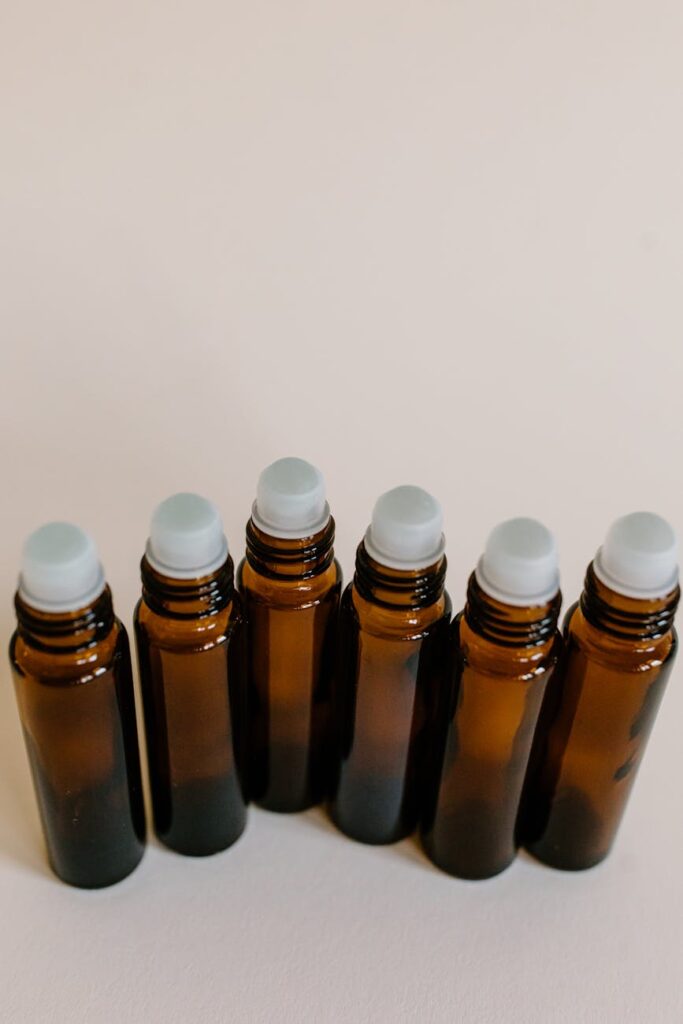
2. Workplace: Using personal inhalers or roll-ons can help manage anxiety in high-pressure work environments.
3. During Travel: Aromatherapy can be particularly beneficial when traveling, helping to ease anxiety associated with flying or unfamiliar surroundings.
4. Before Sleep: Incorporating calming blends into bedtime routines can aid relaxation and promote restful sleep.
5. Meditation and Yoga: Many practitioners use essential oils to enhance mindfulness practices, encouraging a deeper sense of peace.
Aromatherapy Applications
There are several ways to apply aromatherapy blends for anxiety, each offering distinct advantages:
1. Diffusion
Using an essential oil diffuser is one of the most effective methods for dispersing essential oils into the air. This method allows for even distribution and can create a serene environment conducive to relaxation.
2. Inhalation
Direct inhalation of essential oils can provide immediate relief. A few drops can be placed on a tissue or in an inhaler for quick access, especially during moments of acute anxiety.
3. Topical Application
When blending essential oils for topical use, they must be diluted in a carrier oil, such as jojoba or sweet almond oil. Applying these blends to pulse points (wrists, behind the ears) can provide a soothing effect.
4. Bathing
Adding essential oils to a warm bath can create a spa-like experience. It’s recommended to mix oils with a dispersant like Epsom salt before adding them to the bathwater to ensure even distribution.
5. Pillow Sprays
Creating a pillow spray with calming essential oils can enhance relaxation and improve sleep quality. Simply mix essential oils with water and a little vodka or witch hazel in a spray bottle.
Safety Considerations
While aromatherapy can be a beneficial practice, it is essential to approach it with caution:
1. Dilution: Essential oils are highly concentrated and should always be diluted with a carrier oil before topical application to avoid skin irritation.
2. Sensitivity: Conduct a patch test before widespread use to check for allergic reactions or sensitivities.
3. Pregnancy and Nursing: Some essential oils are contraindicated during pregnancy or nursing. Always consult a healthcare professional for guidance.
4. Children and Pets: Certain essential oils may not be safe for use around children or pets. Research specific oils to ensure they are appropriate.
5. Medical Conditions: Individuals with certain medical conditions or those taking medications should consult with a healthcare provider before using essential oils.
Storage and Shelf Life
Proper storage is crucial for maintaining the quality of essential oils:
1. Storage Conditions: Essential oils should be stored in dark glass bottles away from direct sunlight and heat. This helps preserve their potency.
2. Shelf Life: The shelf life of essential oils can vary. Generally, citrus oils have a shorter shelf life (about 1-2 years), while oils like patchouli may last 5 years or longer. Regularly check for changes in odor, color, or consistency.
3. Labeling: Keep essential oils clearly labeled, including the date of purchase, to track freshness.
Frequently Asked Questions
1. Can aromatherapy completely eliminate anxiety?
While aromatherapy can be a helpful tool for managing anxiety, it is not a replacement for professional treatment. It may complement other therapies but should not be solely relied upon for anxiety relief.
2. How often can I use aromatherapy for anxiety?
Aromatherapy can be used as often as needed, but it’s advisable to monitor how the body responds. Overuse of certain oils may lead to sensitization or adverse reactions.
3. Are there any essential oils I should avoid for anxiety?
While many essential oils are beneficial, some can be stimulating and may not be conducive to relaxation. Oils like peppermint or eucalyptus may increase alertness; therefore, it’s best to use them sparingly in anxiety blends.
4. How do I choose the right blend for me?
Choosing the right blend depends on personal preference and individual responses to different scents. Experimenting with various combinations can help identify which oils resonate most positively.
5. Can I create my own blends?
Absolutely! Creating personalized blends can enhance the aromatherapy experience. Start with a base oil and add a few drops of your preferred essential oils, adjusting ratios based on desired effects.
Conclusion
Aromatherapy blends for anxiety offer a natural approach to emotional well-being, leveraging the benefits of essential oils to promote relaxation, balance, and clarity. By understanding the properties of different oils and how to use them safely, individuals can create their own calming environments and enhance their quality of life. Whether through diffusion, topical application, or incorporation into daily rituals, the thoughtful use of essential oils can serve as a valuable tool in managing anxiety effectively.